


Scene Three
By the Law of the Mountains
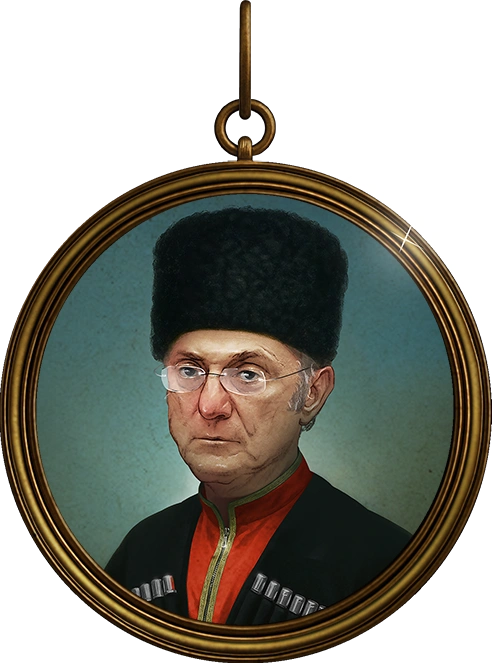
Portrait of Suleiman Kerimov, a former gangster who corrupted the entire Russian elite
Characters:
Suleiman Kerimov and his family, Ramzan Kadyrov and his family, Anton Vaino and his family, the families of Dmitry Peskov and Alexei Gromov, as well as Tina Kandelaki and Andrei Malakhov
Historically, distribution of power in national republics, particularly in the Caucasus, has been based on nepotism (or “tukhumstvo,” as this phenomenon is called in Dagestan) and “kunachestvo” (the Caucasus term for connections based on personal acquaintance). During the Soviet era, the Kremlin tried to combat this phenomenon, for example, by shuffling the ethnic staff, but the public mocked these efforts. “We have come to judge you by the law of the mountains!” This is a line from the hugely popular Soviet comedy film Kidnapping, Caucasian Style, in which the main villain, Comrade Saakhov, is in charge of the district agricultural committee. Saakhov conspires with another respected figure, a certain Dzhabrail, to kidnap a young girl who has caught the official’s eye. In the end, the villain gets what he deserves—he is judged not only by the law of the mountains, but also by the laws of the state. The film is full of funny situations and memorable jokes, but the problems it describes — nepotism and the inferior position of women — are not at all humorous.
Proekt’s research revealed that of the 57 officials of Caucasian origin (in political, not ethnic terms) we studied, 55 (96%) ended up in our database, meaning they got their relatives jobs in the civil service, in state-owned companies, or fulfilling government contracts. The study also identified the problem of hidden polygamy.
“Ruling dynasties” from the Caucasus
10 civil servants from the Caucasus with the largest number of relatives employed in public administration or state-related business

96
19
13
12
10
9
8
8
8
8
The three largest “ruling dynasties” from the Caucasus include the families of Chechen leader Ramzan Kadyrov (at least 96 members) and Senator Suleiman Kerimov (at least 13). In many cases, dynasties born in the Caucasus have long since spread beyond these regions. For example, Kerimov and Kadyrov’s relatives and “kunaks” work in absolutely all of the government bodies we studied: in the Kremlin, the government, both houses of parliament, law enforcement agencies, and at the regional level.
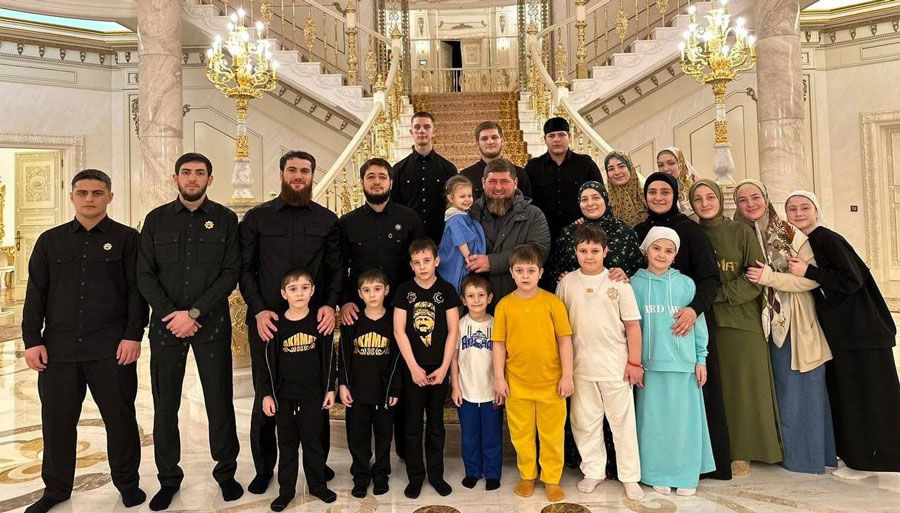
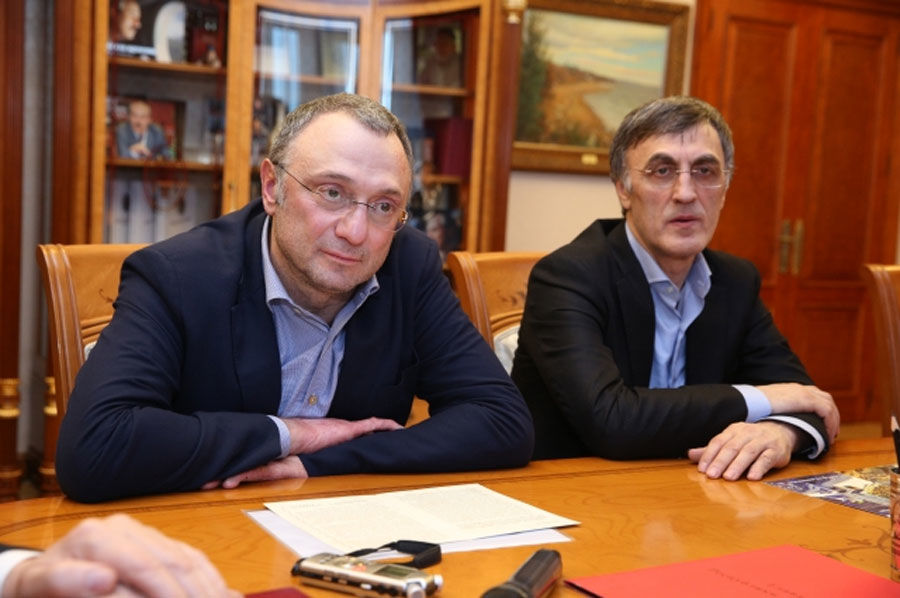
While we have talked many times about Ramzan Kadyrov’s relatives and “kunaks” (usually referred to as “dear brothers”), Kerimov’s family and the reason for his career success remain a big secret even now, although the Dagestani billionaire has been in big politics for 26 years, exactly as long as Vladimir Putin has been in power. We now bring you Kerimov’s story.

Despite being born, educated, and married in Derbent, Dagestan, Suleiman Kerimov does not have particularly close ties to his native region. He left his homeland in the early 1990s and subsequently ran into problems in Dagestan on more than one occasion. “He didn’t know anyone there and was afraid to go back until Gadzhiev, who was a big shot in Dagestan, helped him out,” Kerimov’s business partner told Proekt. We are talking about the now former State Duma member from the republic, Magomed Gadzhiev, who in the 1990s and early 2000s held important positions in Dagestan, overseeing fishing and tax collection. Gadzhiev and Kerimov became unofficial partners, but later fell out (see below).
Kerimov’s father worked in the Soviet police, but that was not what gave the future oligarch his first break in life. In the 1980s, he married his classmate Firuza Khanbalayeva, the daughter of a prominent party figure and head of the Dagestan trade unions. Both newlyweds were Lezgins, which is an important detail for Dagestan, where since Soviet times there had been an unspoken rule about the distribution of important positions in accordance with the size of the republic’s main ethnic groups.The Lezgins are the fourth largest ethnic group in the republic after the Avars, Dargins, and Kumyks, which means that they were not assigned positions higher than police, prosecutor, or trade union chiefs. Kerimov’s father-in-law helped him get a job at the management of the Makhachkala-based Eltav plant (also known as Eldag), which was created in the late Soviet times to manufacture microchips. As a representative of the plant, Kerimov moved to Moscow. But in the capital, Kerimov worked not so much as an emissary of his native enterprise, but rather as an accountant in the structures of the then leaders of the Dagestan mafia – Dzhabrail Salaoutdinov (Dzhabrik) and Magomed Idrisov (Budulay).
Unique footage from 1993 shows Dzhabrik’s wedding. At the two-minute mark, one can spot the very young Suleiman Kerimov smoking while standing next to the groom. The video also shows the silver Lincoln limousine that the Dagestan crime bosses used to travel around Moscow.
In March 1994, in a Moscow courtyard near Lefortovo, where the Research Institute of Physical Culture was then located (it’s now the location of the Ministry of Sport), the same limousine was found abandoned with three bullet-riddled bodies inside. Three more bodies were found nearby, in a restaurant owned by the Dagmos company, which was controlled by Dzhabrik and Budulay. According to a source directly involved in this story, Dagestani gangsters gathered at the restaurant to discuss the fate of $9 million that had disappeared from their “slush fund.” In addition to Salautdinov and Idrisov, Kerimov was also supposed to be at the meeting, but, as he later said, he turned up late. While he was on his way, the Dagestani businessmen were killed. They were all shot dead (probably with two pistols that he always carried with him) by criminal lord Maxim Lazovsky, who worked for the Chechen mafia 
Kerimov then began working with other influential figures, becoming a “financial advisor of sorts” to Georgy Sofiev
“He has always been a master dealmaker because he knew how to charm people. He knows how to shower those he needs with attention. Gifts, compliments, everything,” says Kerimov’s former business partner.
In the late 1990s, Kerimov pulled off his first big deal — he bought the declining company Vnukovo Airlines based in the airport of the same name, which employees colloquially called “Vnuchka”. At that time, Vnuchka was the country’s second-largest air carrier after Aeroflot. Kerimov’s partner in this operation was Ibrahim Suleimanov (a member of a small ethnic group called the Rutulians, who live side by side with the Lezgins in southern Dagestan), the son-in-law of the then influential businessman Platon Lebedev, one of the main shareholders of the MENATEP group. The third partner was Saratov businessman Tatevos Surinov. The condition for the transfer of the state-owned stake was a $150 million investment program promised by Kerimov, Ibrahimov and Surinov. Gennady Borisov, leader of the Vnuchka trade union, demanded money from the new owners, as airline employees had not been paid for a long time. In January 1999, Borisov was stabbed to death in the stairwell of his home — his body had 12 stab wounds. In 2001, the airline began to experience financial difficulties and eventually went bankrupt. All official biographies of Kerimov note that he left Vnukovo Airlines in 1998, before Borisov’s murder. However, corporate documents we have studied show that the Dagestan billionaire was listed as a co-owner of the airline until its bankruptcy in 2001
In 2004, Surinov and Suleimanov were detained on suspicion of fraud and money laundering (the case concerned the parent structure of Vnukovo Airlines)
Vnukovo Airlines provided Kerimov with an important connection — to the Liberal Democratic Party of Russia and its long-time leader, Vladimir Zhirinovsky.
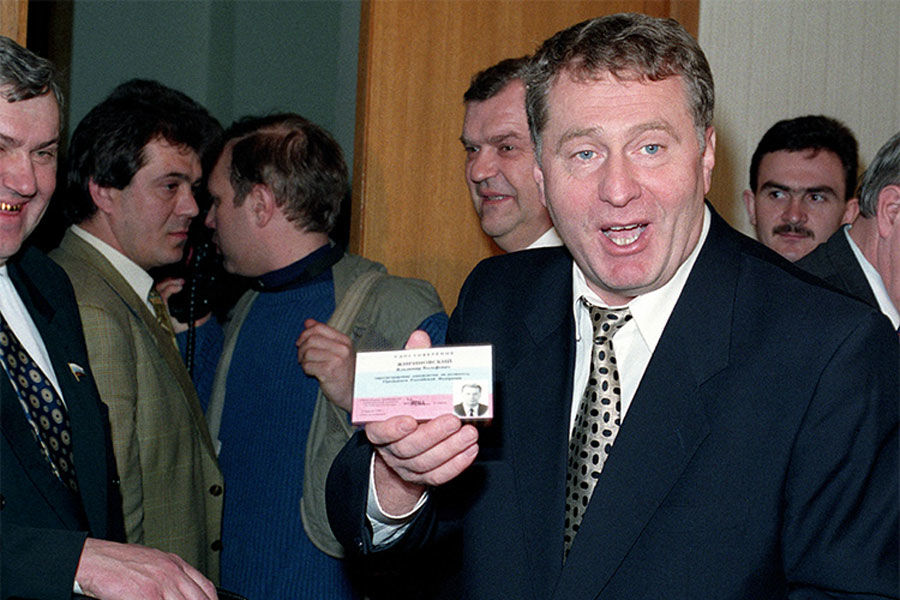
Here is how it happened. Kerimov’s junior partner in the airline was Sergei Isakov, a former sailor and convicted LDPR activist who had been eking out a living through criminal activities in the Oryol Oblast
In late 1997, he boarded a Vnukovo Airlines plane with Zhirinovsky and Kerimov to fly to Baghdad, the capital of Iraq. This was no easy feat at the time — as a punishment for its invasion of Kuwait, Iraq was hit with international sanctions that, among other things, restricted air travel to Baghdad. Waiting for permission to enter the Iraqi airspace, the plane with Kerimov first made a long stop in Yerevan, then managed to get to Iran, but from there the Russian guests had to travel to Iraq by land. Zhirinovsky explained this difficult journey by saying that Saddam Hussein was his “friend” and did not deserve to be isolated. But in reality, Zhirinovsky and his companions had purely mercantile goals.
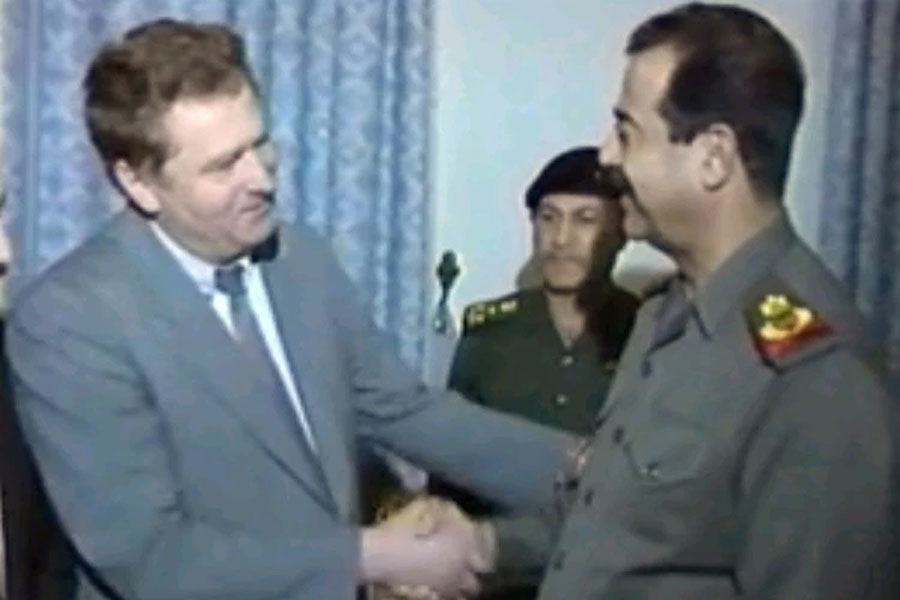
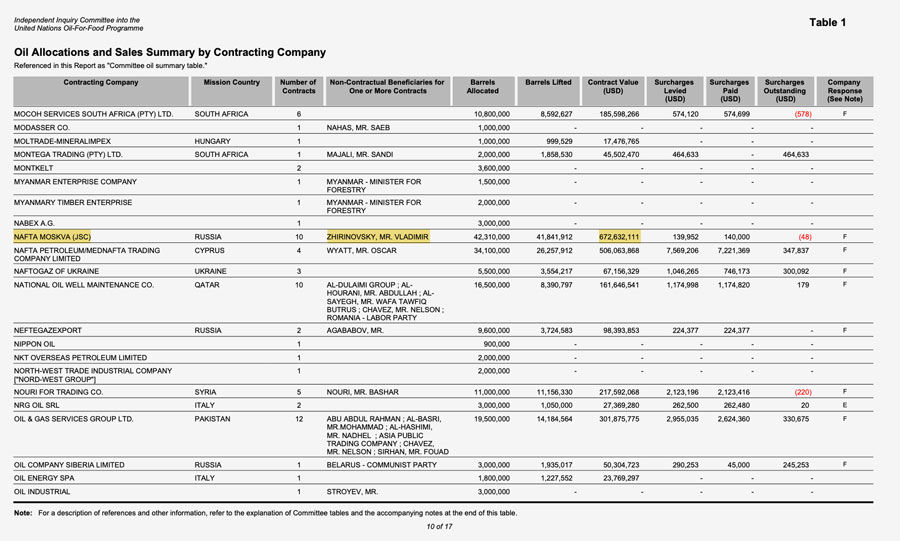
The thing is that Zhirinovsky, Kerimov, and Isakov wanted to make money on Iraqi oil. And they succeeded. In 1998, Kerimov bought the oil trading company Nafta-Moscow. However, the Dagestani entrepreneur would only deal with oil itself for a very short time. In the late 1990s, he, along with Zhirinovsky and Isakov, participated in the “Oil for Food” program, which allowed the sanctioned Iraqi government to sell part of the hydrocarbons produced in the country abroad. As it would later be revealed, this program was riddled with violations, the essence of which boiled down to the fact that quotas for the sale of Iraqi oil were given to people and organizations connected in one way or another with Saddam’s regime—through friendship or bribes.
The scheme worked as follows. Zhirinovsky (for a predetermined cut, which was then deposited into the bank account of his son Igor Lebedev) obtained oil export quotas from his “friend” Saddam. For example, Nafta received no fewer than 10 contracts worth $672 million, and the Russian Engineering Company, registered in Isakov’s name, received five contracts worth $517 million.
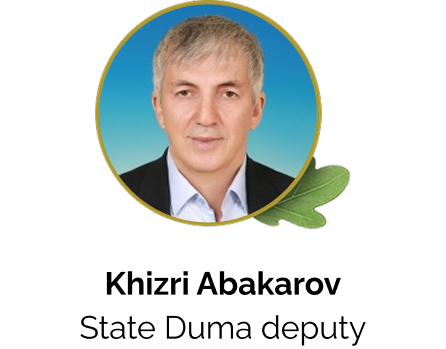
This well-coordinated group also had other accomplices. For example, Dagestan native, Magomedtagir Abdulbasirov Khizri Abakarov, also from Dagestan, who worked as Kerimov’s representative.
Vnukovo Airlines also played a role in the oil scheme. Two months after the plane carrying Zhirinovsky and Kerimov failed to reach Baghdad, another plane from the same company finally broke through the air blockade. The planes were needed to transport money out of Iraq — Saddam’s regime was restricted in non-cash transactions and paid its bills in bundles, suitcases, and stacks of bills that could be flown to a friendly country without inspection
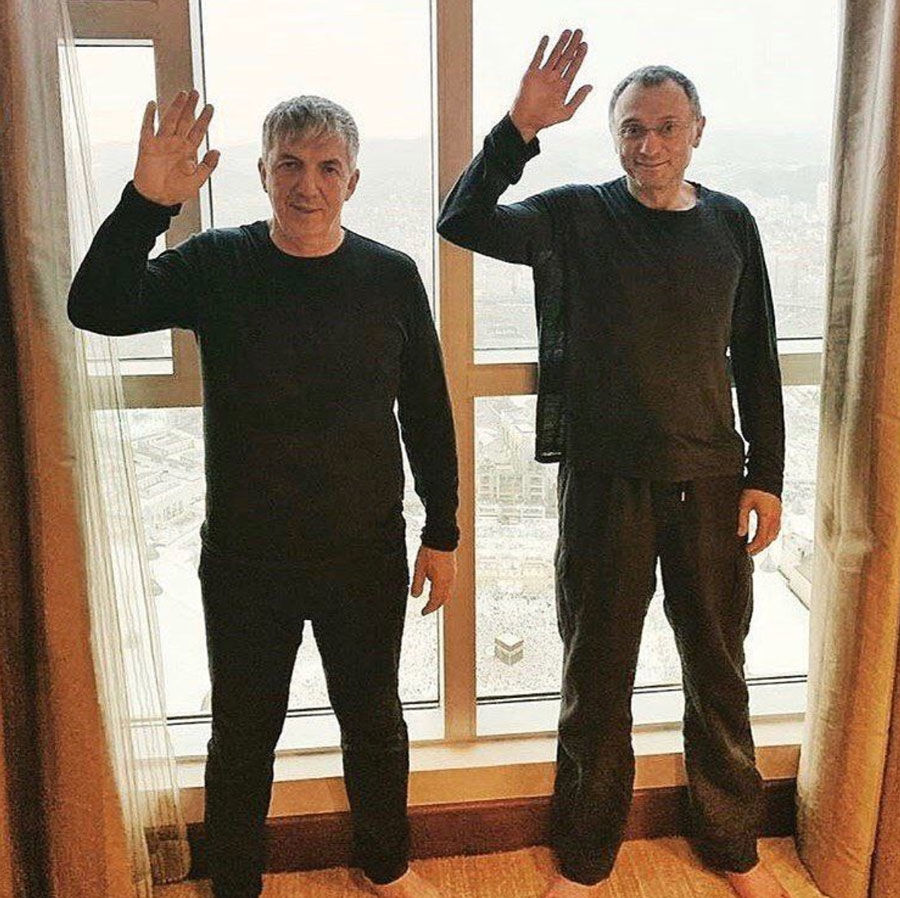
The story of this business of Kerimov’s, like the previous ones, also ended in a criminal case — against Abakarov, Kerimov’s assistant. In April 1997, the Ministry of Internal Affairs of Bashkiria put him on the wanted list for fraud. However, he was not punished. Saddam Hussein helped with that as well. Zhirinovsky and Kerimov agreed with the Iraqi authorities that Abakarov would stay in Baghdad for the duration of the investigation. And so he did. Kerimov’s henchman only returned to Russia when his boss became a member of the State Duma. Since then, Abakarov has been a loyal debtor to Kerimov, representing his boss in many business projects
According to our calculations, over the years of Kerimov’s government career, there were at least seven members of the State Duma, one member of the Federation Council, and at least four legislators in the Dagestan parliament who were related to him or connected to his business. Ten of these twelve people still hold their posts today. The representation of Kerimov’s people —relatives or close friends — in the executive branch is not much smaller. We counted nine officials of various ranks connected to the oligarch: from four successive mayors of Kerimov’s hometown of Derbent to the head of the Presidential Administration.
“Kunaks” of Suleiman Kerimov
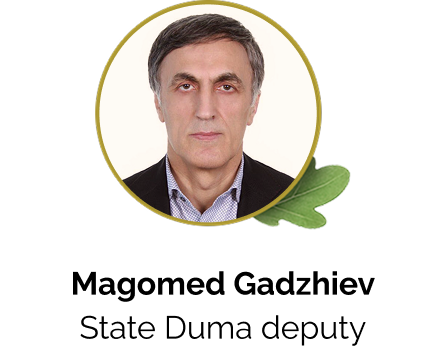
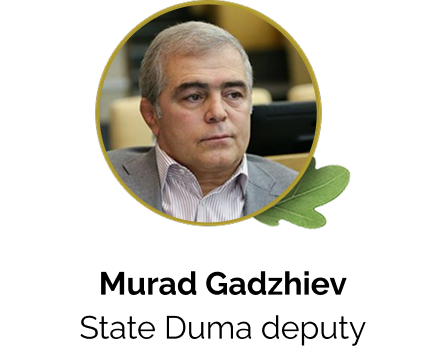
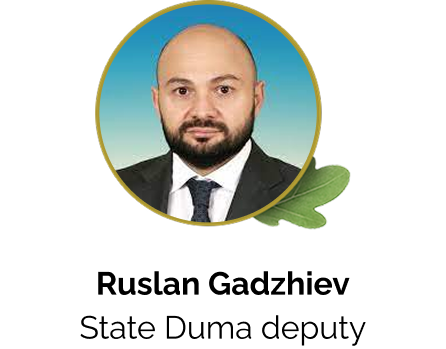
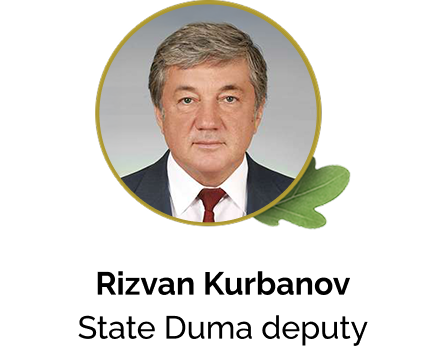
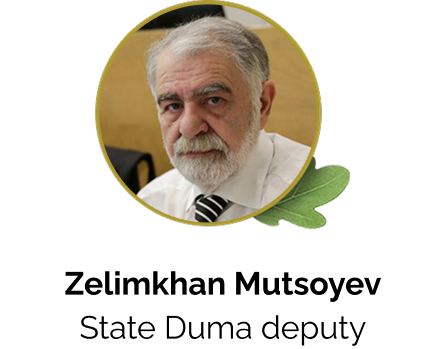
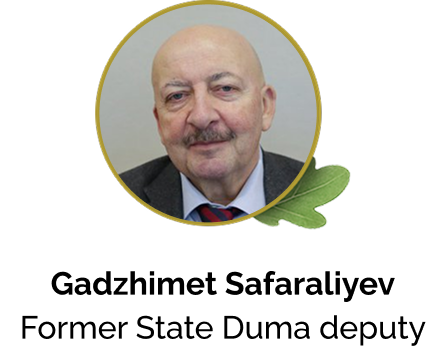
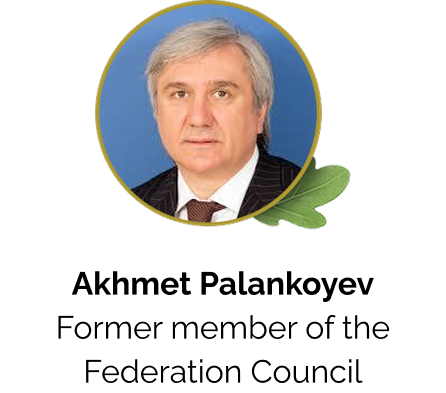
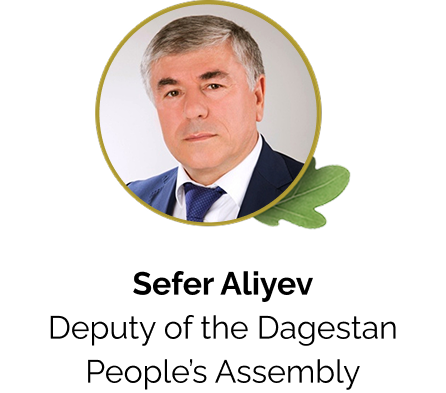
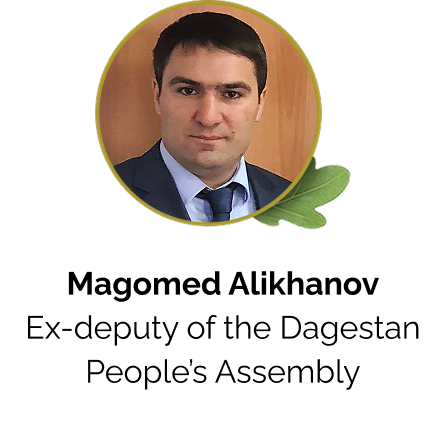
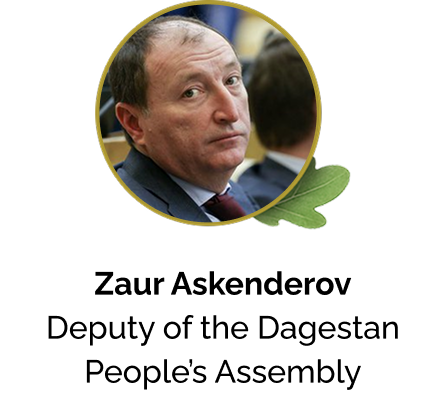
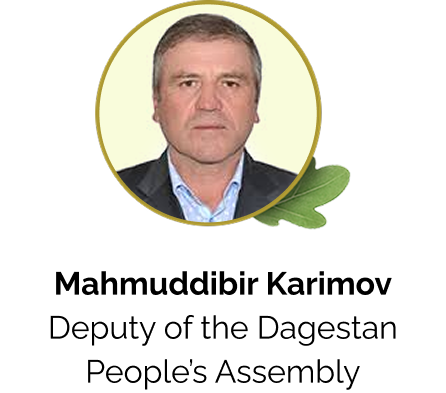
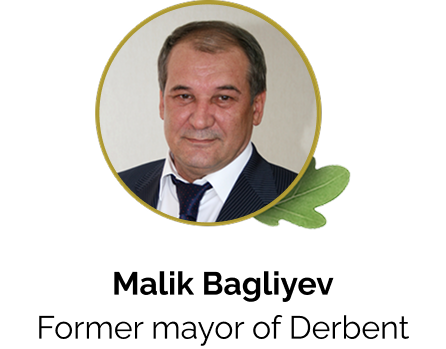

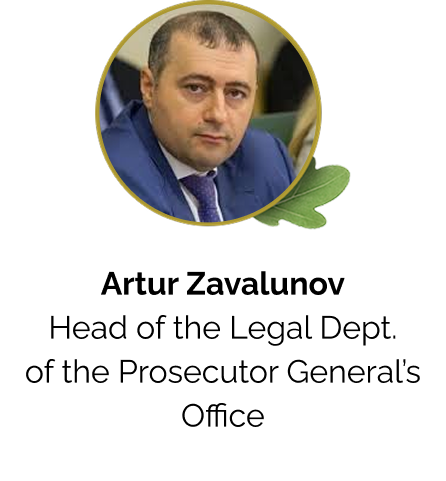
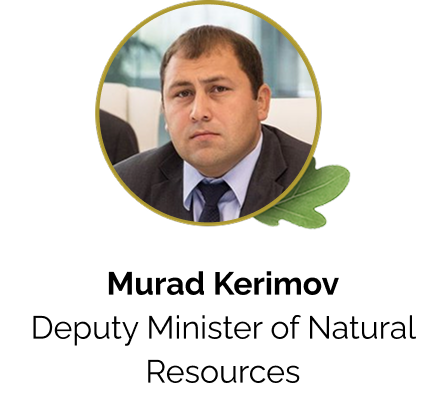
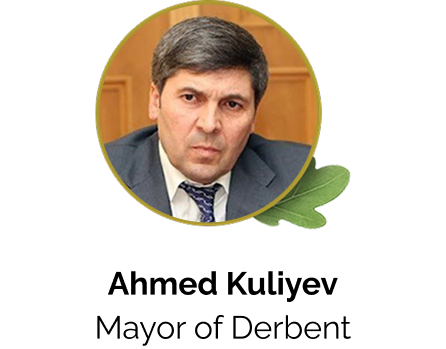
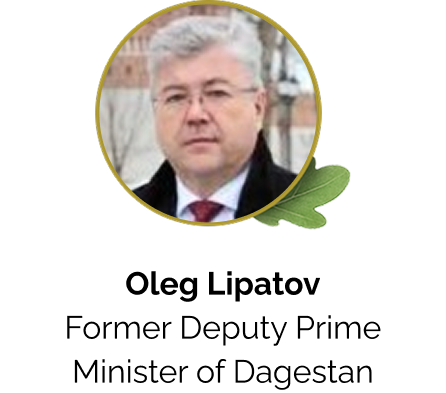
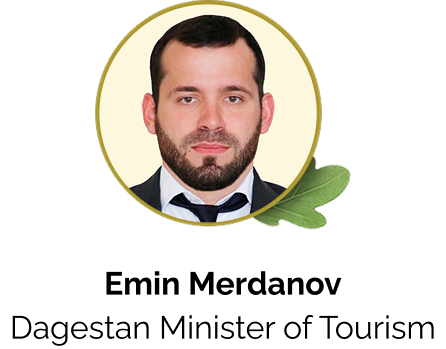
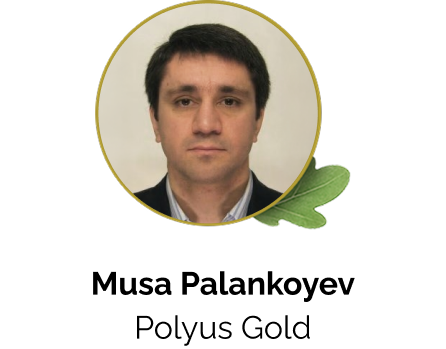
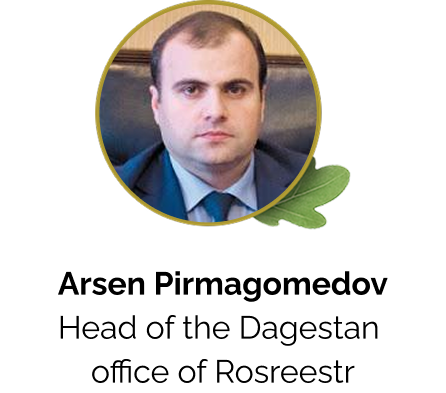
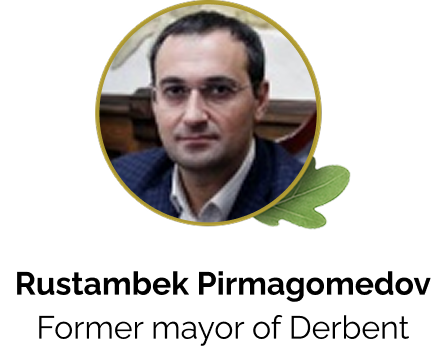
Kerimov himself first entered public office in December 1999, becoming a member of the State Duma. Since then, he has enjoyed legal immunity for 26 years. He served in the State Duma for eight years and in the Federation Council for 17 years and counting.
Kerimov obtained his Duma seat through bribery – $5 million was paid to Zhirinovsky himself Yuri Napso, who was recently expelled from the parliament for absenteeism.
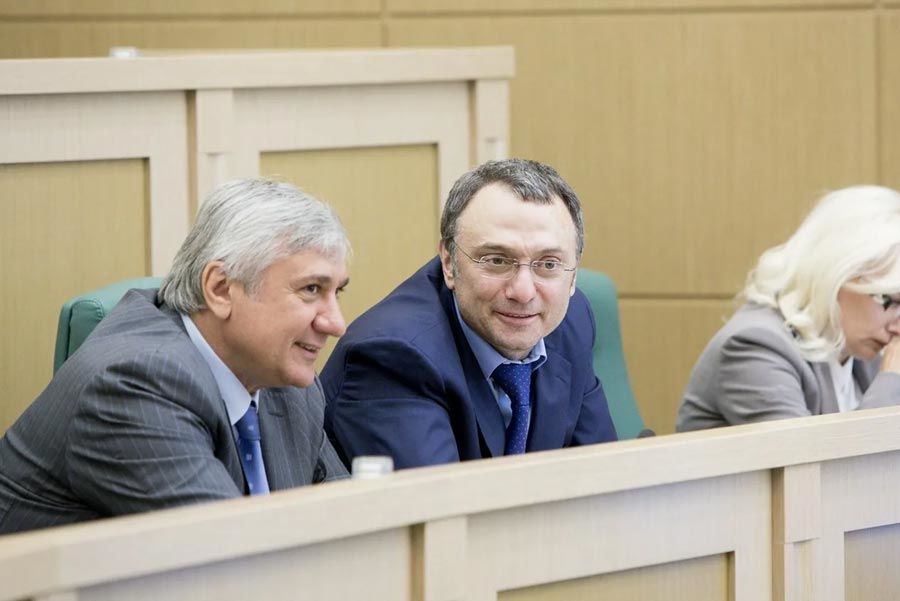
At the same time as the LDPR, the Communist Party also sold seats in its faction at roughly the same price. For example, businessmen Leonid Maevsky and Vitaly Yuzhilin became MPs from the Communists this way at various times. This does not mean that places on the party lists were not sold in United Russia or other parties. In order to get into parliament through them, one would need to negotiate directly with the Presidential Administration and pay a cut to the curators of internal policy
Kerimov’s goal in obtaining a parliament seat was legal immunity. When the businessman was still a candidate, fearing arrest (due to investigations into the oil deals and Vnukovo Airlines), he would even sleep in his office, waiting for the election campaign to end
Kerimov spent eight years in the State Duma, but he didn’t do much work there. By law, members of parliament aren’t allowed to do business while they’re in office; being an MP has to be their main job. But Kerimov wasn’t the only one who ignored this rule, even though he did it in a particularly provocative way. In the third convocation of the State Duma, he was listed as the co-author of two bills (neither of which passed), and in the next convocation, he co-authored 18 more bills. After moving to the Federation Council, he did not show any legislative initiative.
In reality, Kerimov, being both an MP and a senator, continued to do business despite the legislative ban. The oil trading company Nafta, which he had purchased before, stopped dealing with fuel in the early 2000s, essentially becoming an investment company through which Kerimov bought up shares and entire companies throughout his government career.
In 2005, Kerimov entered the Moscow Cable Network. At the time, it was the largest company in terms of subscribers, but it was in decline and therefore relatively inexpensive. The idea to invest in this project was suggested to Kerimov by the then presidential adviser Mikhail Lesin, former minister of press and one of the curators of censorship in Russia. Lesin acted as Kerimov’s unofficial partner in the deal Alexei Gromov, a friend and colleague of Lesin’s, who was working as Vladimir Putin‘s press secretary at the time.
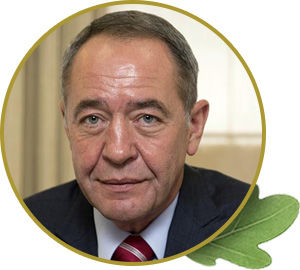
A year after purchasing the company, Kerimov gathered similar assets into National Telecommunications. From the very beginning, this business was created to be sold to a third party. Lesin and Gromov knew that a family with close ties to the Kremlin was building its own media empire at the time, and they hoped to sell National Telecommunications to them. This large and wealthy family are the Kovalchuks, headed by Putin’s longtime friend and advisor Yuri Kovalchuk. As a result, the deal to sell Kerimov’s business to Kovalchuk’s National Media Group took place in 2008. Lesin, who was working in the Kremlin at the time, even publicly admitted
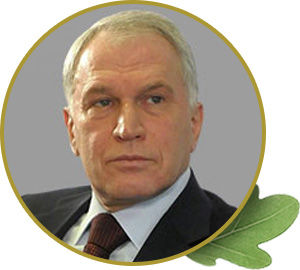
As a result of the deal, Kovalchuk was left owing the seller 4 billion rubles and another $200 million (for a total of just under $400 million). The fate of this money was decided at a personal meeting between Senator Kerimov and Prime Minister Putin (who had temporarily taken over as head of government in the spring of 2008). During the meeting
Kerimov did not pursue the debt, considering it politically advantageous for himself. He transferred the claim to the offshore company Sandalwood Continental, whose name was unknown at the time. Almost 10 years later, journalists working on the Panama Papers project would discover that this offshore company was registered in the name of Putin’s friend, cellist Sergei Roldugin. In other words, it most likely held Putin’s personal money. Sandalwood would receive nearly $400 million from the state-owned company Rostelecom for the cable network deal (Rostelecom later bought the network from Kovalchuk). So, Putin convinced Kerimov to give him the right to claim a huge debt, and in the end, he got the money, though not from his friend Kovalchuk, but from the Russian state budget.
After doing the president such a favor, Kerimov could count on special treatment. A short time later, Putin himself, as head of the commission on strategic assets, approved Kerimov’s application to purchase the gold mining company Polyus. This asset would become the basis of Kerimov’s wealth for years to come. Lesin ended up being the loser in the cable network story — he didn’t get his unofficial share of the deal, was dismissed from the Kremlin a year later for a conflict of interest, and later fell out with the Kovalchuk family and left for the US, where he died under mysterious circumstances.
However, according to two of his acquaintances, Kerimov held a grudge after agreeing to Putin’s financial demands. This grudge was further exacerbated by serious personal troubles. In the fall of 2006, the senator was driving along the Promenade des Anglais in Nice in a Ferrari Enzo supercar. Famous TV presenter Tina Kandelaki was sitting in the passenger seat — at that time, the oligarch was briskly (though ultimately unsuccessfully) courting her. He offered to help the TV star get to France, where she needed to go on business. Upon arriving on the French Riviera, Kerimov decided to impress the woman, but it did not turn out as beautifully as he had dreamed.
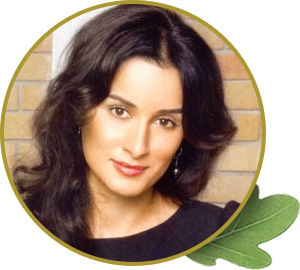
The car flew onto the median strip at high speed, crashed into a tree, and caught fire. Kerimov suffered burns, while his companion was almost unharmed and, with the help of the oligarch’s friends, was quickly sent to Moscow (Kandelaki herself deceived the press at the time, saying that she was “sick with mumps in Moscow”). Kerimov was temporarily taken to a burn clinic in Belgium.
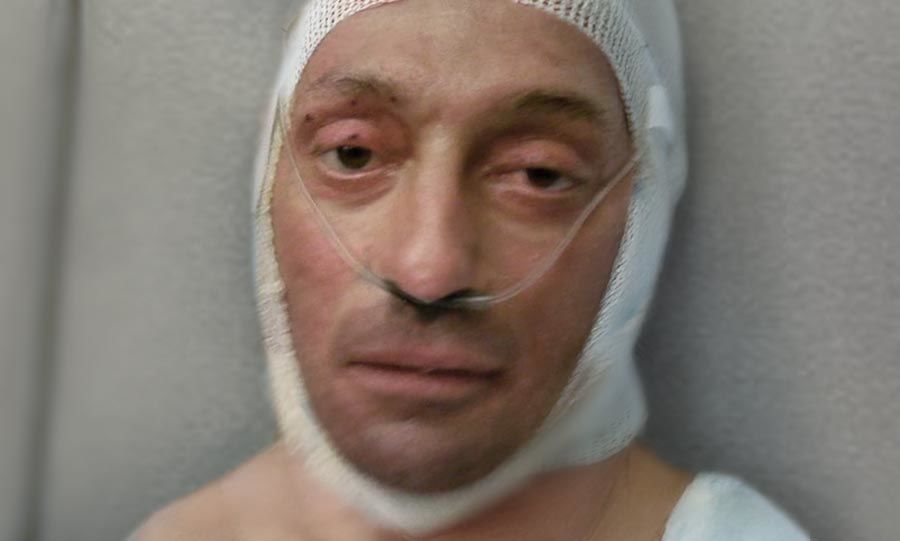
The injuries were not as serious as the psychological effect. The accident
So by 2008, when Putin deprived Kerimov of hundreds of millions of dollars, the Dagestani businessman was psychologically a different person. As two of his acquaintances recall, Kerimov told those around him at the time that from now on, “money must be kept in the West so that it is not taken away again.” In practical terms, this meant the following: the PG Trust was established in Liechtenstein, with Kerimov’s closest advisor at the time, Allen Wein, handling the legal details, and registered in the name of the senator’s mother. Another trust, called Heritage Trust, was registered in the US state of Delaware. The trusts accumulated money received as profits from Kerimov’s Russian and foreign investments. We know from public data and statements by the oligarch’s confidants that at various times he owned shares in Snapchat, SpaceX, Luminar Technologies (a manufacturer of sensors for driverless cars), global brands such as Volvo, BP, E.On, and Boeing, as well as a number of banks, including Sberbank, Deutsche Bank, Credit Suisse, and Morgan Stanley. The European and American trusts would later cause a major quarrel among Kerimov’s associates.
In 2021, during court proceedings in Delaware, it was revealed that the beneficiaries of Heritage Trust were exclusively Kerimov’s relatives. For this reason
What is more profitable in Putin’s Russia – being a member of the State Duma or a senator? We asked this question to two former MPs, one of whom also served as a member of the Federation Council. The answer is: if the sole purpose of entering parliament is legal immunity, then being a senator is much more profitable. A member of the Federation Council has fewer work responsibilities, but the same guarantees of immunity and circle of acquaintances. If a parliamentarian wants to earn extra money as a lobbyist for other people’s interests, it is much more profitable to go to the State Duma, where most bills are prepared. Be that as it may, in 2007 Kerimov was forced to leave the State Duma for the Federation Council. Not even money could help him get back into the lower house — the Kremlin was then preparing a new parliament for the interim president Dmitry Medvedev. The selection of manpower was overseen by the curator of internal policy, Deputy Head of the Presidential Administration Vladislav Surkov. It was he who suggested that Kerimov leave his Duma seat, but Surkov did not oppose his transfer to the Federation Council.
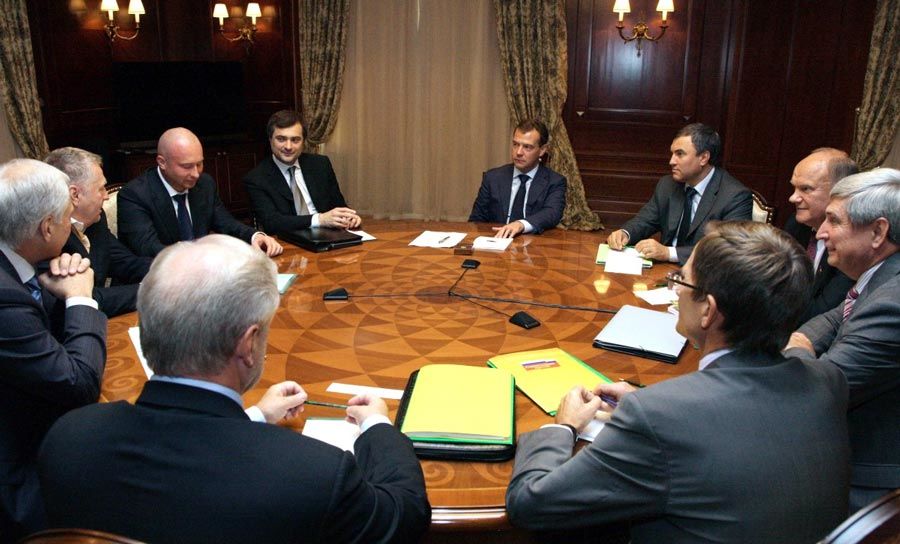
However, things were not so straightforward. The then head of Dagestan, Mukhu Aliyev, Avar by nationality, was responsible for selecting senators from the region. Three people who knew him describe Aliyev as a despot with Soviet tendencies who also liked to drink, which often influenced his political decisions. He refused Kerimov, and the quarrel was so serious that the billionaire had to solve his problem at double the price. Part of the fee went to the then senator from Dagestan, Ata Aliyev – Kerimov’s emissaries convinced the fellow Dagestani to resign from the Federation Council for the standard sum of five million dollars. Another payment, always in cash, has since been regularly made to the head of the Federation Council, first to Sergei Mironov, and then to Valentina Matviyenko, who still holds the position. Kerimov called these payments “pennies”
The most telling part of this story is related to Mironov. In 2006, with the permission and assistance of the Kremlin, he created the A Just Russia party. The party called itself opposition, but consistently supported Vladimir Putin. This political structure had to be financed, and one of the ways was to collect money from those who wanted to become senators. Head of the Federation Council Mironov devised a scheme whereby shadow contributions to the party were channelled through Senator Oganes Oganian, who was close to him (he would later follow his boss to the State Duma, take the seat next to him in the assembly hall and continue to act as the secret “wallet” of A Just Russia). In other words, the Kremlin financed one part of parliament at the expense of another.
What was Kerimov paying for? Literally for the opportunity not to go to work. The senator has not appeared at his workplace for years. According to the voting records, Kerimov last voted in person in March 2021, when the head of Dagestan Sergey Melikov made a presentation at a meeting of the Federation Council. In 2022, the senator submitted five applications for absentee voting. On all other days of the sessions, Kerimov did not vote, which most likely means that he was not at work at all.
Everyone turned a blind eye to this, even though the parliament has been fighting absenteeism for many years. This campaign began back in 2009 after Mironov failed to gather a senatorial quorum at two consecutive meetings. “Truants” were stigmatized in the Kremlin, and amendments were even made to the law on the status of senators, according to which a member of the Federation Council is obliged to personally attend the meetings. For some, they left the possibility of not attending for a valid reason and upon agreement with the speaker. Over the years, many “truants” were either expelled from the Senate or taught at least some discipline. Not Kerimov, however. For a long time, the Dagestani billionaire cited the need for treatment for the consequences of his romantic rendezvous in Nice as a valid reason for not attending.
What or who allows Kerimov to repeatedly avoid problems with the law, why can he easily place his people in government positions and authorize crackdowns on his enemies? The fact is that Kerimov has a “kunak” in the Kremlin.
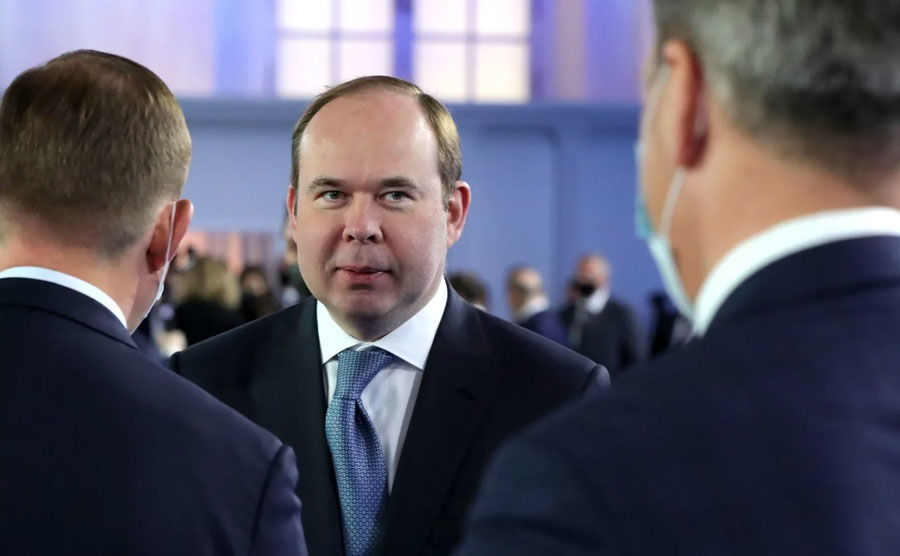
The close friendship between Suleiman Kerimov and Anton Vaino, the current head of the Presidential Administration, began in the mid-2000s, when Vaino was in charge of Vladimir Putin‘s protocol, i.e., he was responsible for the head of state’s work schedule, trips and meetings. Once again, the basis of their friendship was money and kinship.
42-year-old Kamran Huseynov is one of Kerimov’s junior partners
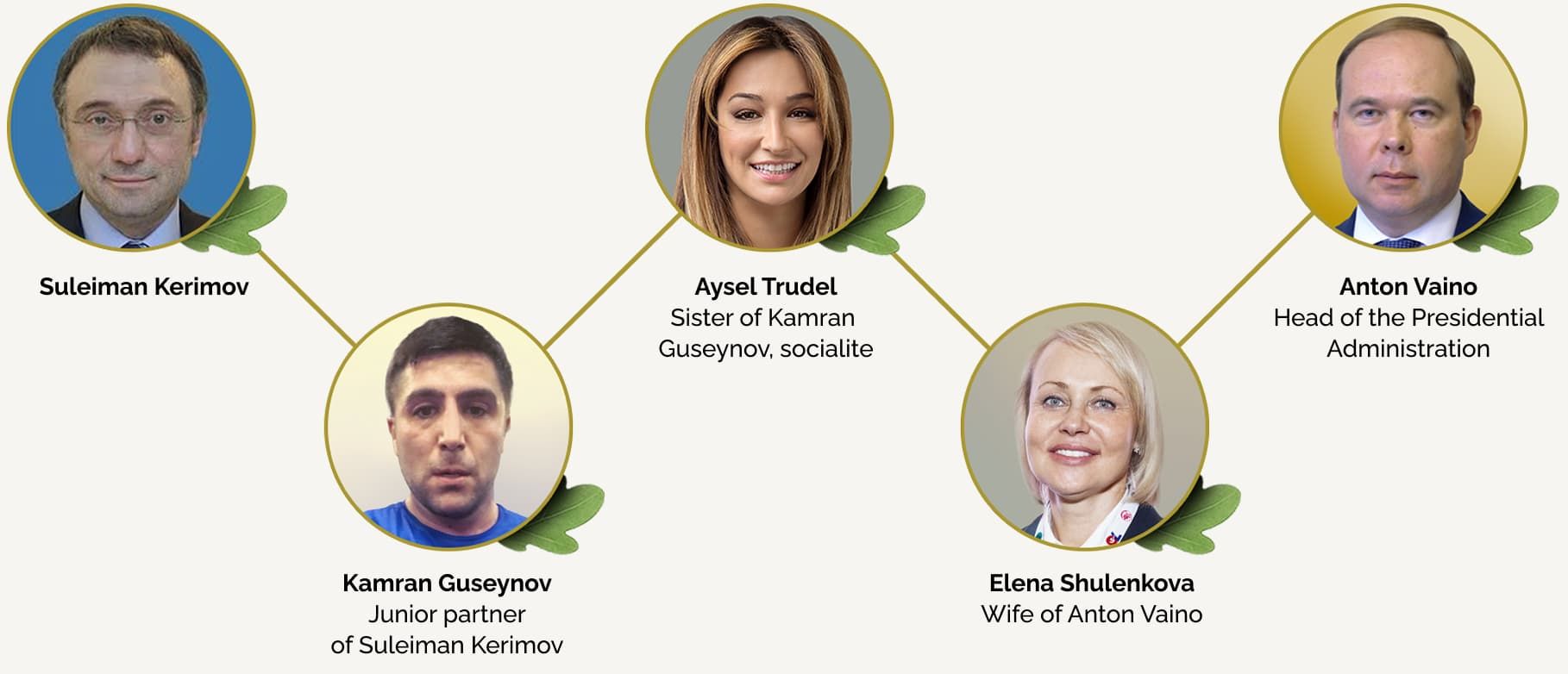
In general, jewelry, watches, and other luxury items are a common form of bribery in Russia. Two former civil servants who participated in the scheme described how it works. Jewelry, watches or antiques (for example, old coins) are passed on to the official through an intermediary — for example, in Vaino’s case, this role was played by Aysel Trudel, and in the case of his deputy, Alexei Gromov, by his subordinate and university friend Mikhail Bryukhanov. But both the giver and the recipient understand that the item will soon reappear on the market. At the official’s request, the intermediary sells the same item on the black market or hands it over as commission goods directly to Mercury, the largest seller of luxury goods in Moscow and operator of the Central Universal Store (TsUM). This way, the official receives real money instead of yet another gifted watch, which he probably had no intention of wearing.
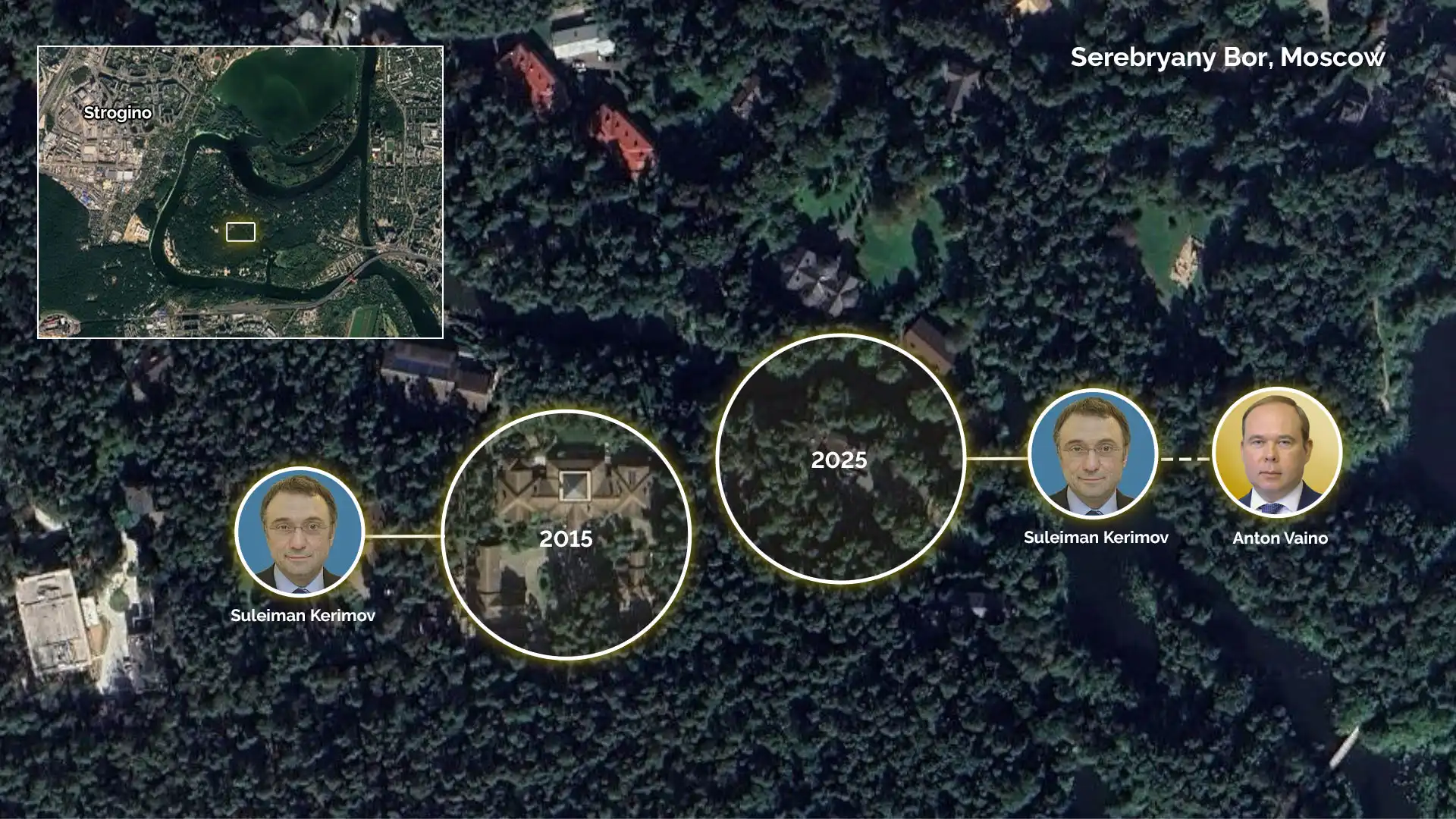
But paintings and jewelry are not the only gifts. In 2015, Kerimov bought a plot of land in Serebryany Bor for one of his wives. This is a green and expensive area of Moscow, where the elite have been settling since Soviet times. By 2022, a huge house had been built on the plot, and in 2025, the oligarch also acquired the neighboring plot. Kerimov’s former partner claims that this piece of land is intended for the Vaino family.
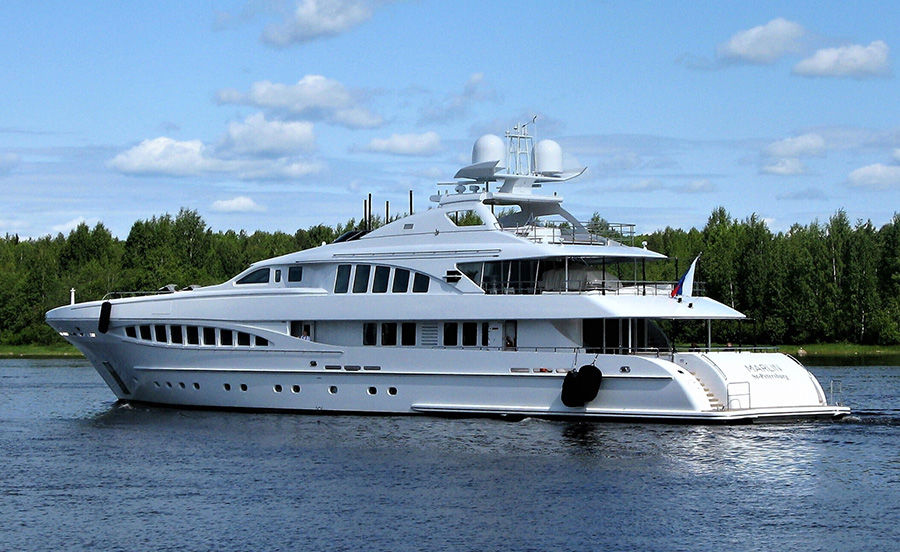
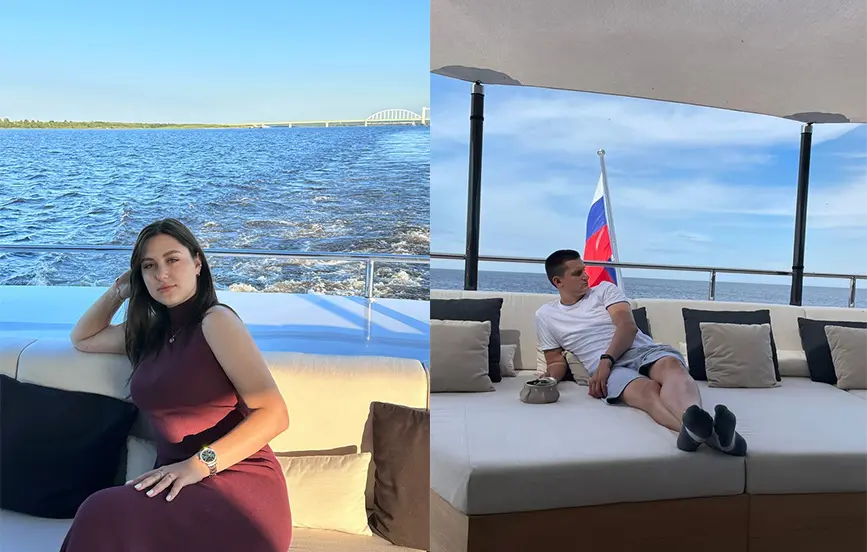
Kerimov gave Vaino another expensive gift in 2022. The 46-meter Marlin pleasure yacht had previously sailed the Mediterranean Sea and was registered to Kerimov’s European asset manager.
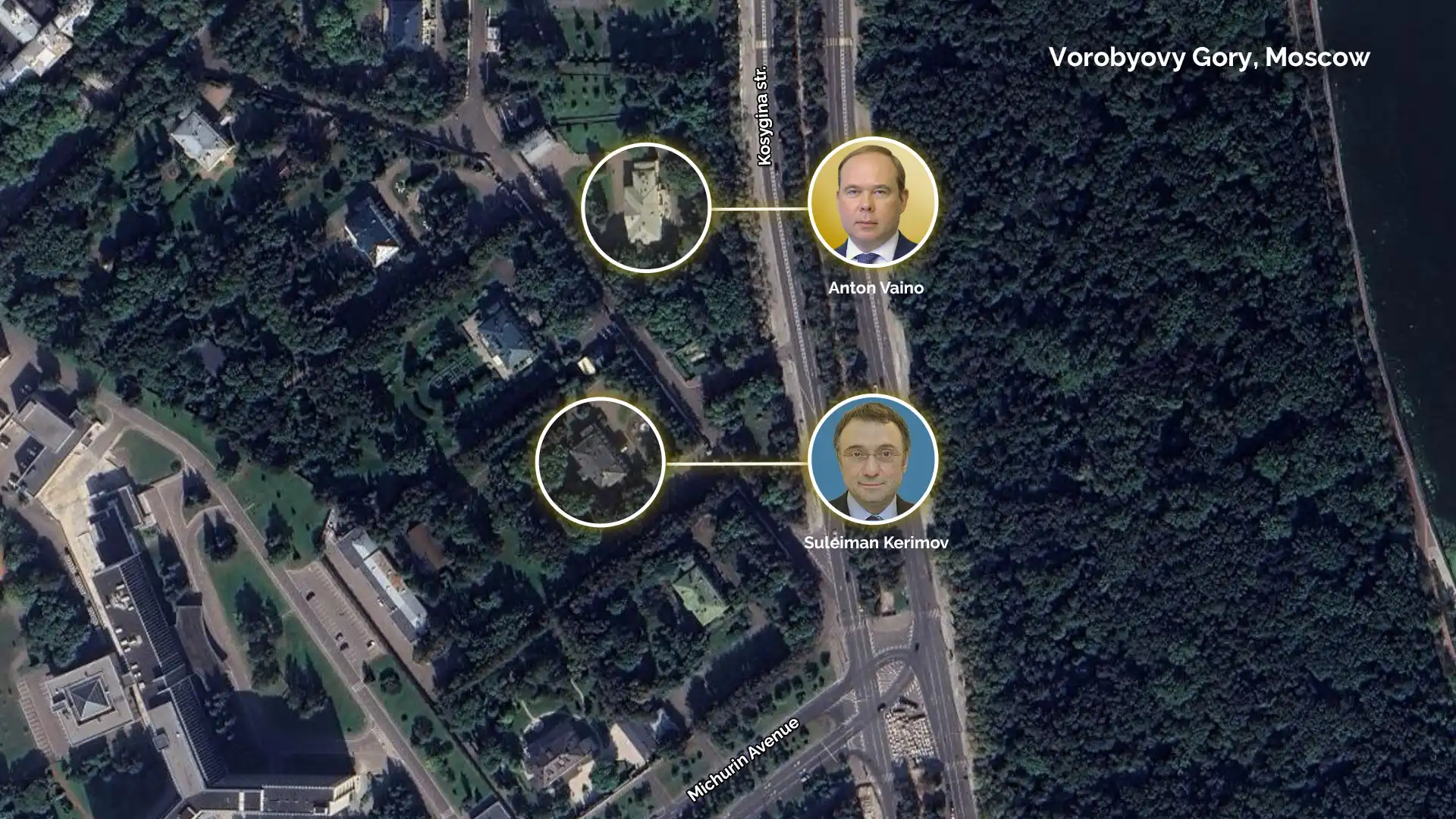
Kerimov’s “kunak” in the Kremlin also helped him financially in return. On Kosygina Street in Moscow, in the part where it leads to Mosfilm, there is a quiet place with several state dachas that were intended for party bigwigs and especially important foreign guests during the Soviet era. Now, most of these houses are managed by the Federal Protective Service and are inhabited by respected people such as Anton Vaino. Senator Suleiman Kerimov also received permission to live in this closed community. His business partner, MP Magomed Gadzhiev, settled nearby. We will talk more about this unique place in another episode of our special project, but for now, it is important to know that the entire complex of dachas on Kosygina Street, in addition to its residents, is guarded by the FSO. Kerimov is obsessed with personal security — he employs Sergei Udovik, a former military intelligence officer, Vitaly Yakovets, an officer of the GRU’s Senezh special operations center, and Dmitry Klinsky, an officer of the FSB’s special operations center, who accompanies Kerimov on his foreign trips. A special security agency, Radius-V, was established to protect the oligarch, employing dozens of bodyguards. One of the businessman’s acquaintances witnessed Kerimov traveling from his home in Vorobyovy Gory to his office on Polyanka — the motorcade made its way along Kosygina Street, Leninsky Prospekt, and Yakimanka Street in just five to seven minutes, and then the security guards completely blocked Staromonetny Lane so that the senator could enter the building undisturbed.
One of Kerimov’s acquaintances calls Vaino the “main secret” of the Dagestani billionaire’s success: “He knows Putin’s schedule, he can bring in a document or a guest.” “Kerimov is one of those who can run up to Putin,” admits a source close to the Kremlin, referring to the fact that Vaino organized several private meetings between the businessman and the president.
On several occasions, these meetings saved Kerimov from serious trouble. In November 2017, the billionaire had another stroke of bad luck in Nice. Shortly after arriving on the French Riviera with a woman, he was detained by French police. The authorities said they were investigating money laundering and tax evasion. Kerimov spent two days in a cell, and the judge placed him under house arrest in France with the obligation to provide bail and report to the police station weekly. In January 2018, citing his brother’s illness, Kerimov requested to return to his homeland with a promise to return for trial. As a result, six months later, Kerimov was reclassified as a witness and released to his homeland permanently.
Throughout his arrest, the entire Russian government—the Foreign Ministry, parliament, presidential administration, and Prosecutor General’s Office — fought for Kerimov. Upon his return to Moscow, Kerimov met with Putin. During that conversation, the circumstances of the billionaire’s arrest were discussed. According to the version shared by the president and the senator, the French authorities allegedly received information about the billionaire’s financial affairs and plans from Kerimov’s long-time competitors, Dagestani businessmen Ziyavudin and Magomed Magomedovs.
But there was one particularly important story for Kerimov, in which connections in the Kremlin were very helpful.
In 2011, the businessman dared to give the Kremlin a very expensive and extravagant gift — he bought the Dagestani football club Anzhi. Football became particularly trendy among Russian oligarchs after 2003, when billionaire Roman Abramovich bought the London club Chelsea. Abramovich was sometimes criticized in his homeland for investing money in foreign football, but the oligarch’s closeness to Putin made other businessmen think about buying their own clubs. In 2008, Kuban billionaire Sergei Galitsky invested in FC Krasnodar, which eventually became one of the leaders of Russian football. At the same time, the unprofitable FC Anzhi Makhachkala attracted the interest of wealthy Dagestanis. It is said that the first to show interest were the brothers Ziyavudin and Magomed Magomedov, oligarchs who were close to the then president Dmitry Medvedev. But Kerimov beat them to it (this was yet another conflict between the influential Caucasians). Anzhi became a showcase for the Dagestani billionaire’s vanity — he bought famous players and coaches with generous, sometimes strange promises. The well-known midfielder Yuri Zhirkov was attracted by the promise of a Nazi military uniform in addition to his salary — it was reported that the footballer collected such artifacts. Kerimov got lucky with Zhirkov — he lured the player away from Chelsea, thus “beating Abramovich”
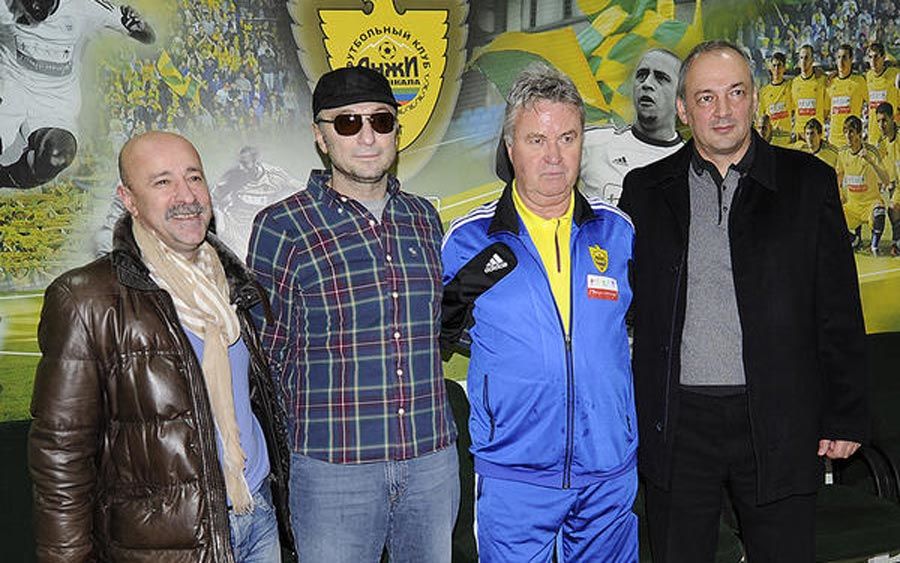
“At that time, Suleiman really wanted to become president of Dagestan. He wanted to show that he was equal to Ramzan (the head of Chechnya, Ramzan Kadyrov, took over and began sponsoring the Grozny-based football club Terek, which was later renamed to Akhmat, in 2004),” recalls Kerimov’s partner
However, this venture once again ended in a criminal investigation. The trouble came from Belarus.
In the summer of 2013, Kerimov, who at the time held a significant stake in Uralkali, fell out with Belarusian President Alexander Lukashenko. Uralkali was part of a cartel with Belaruskali, the Belarusian state-owned fertilizer producer. Each side was dissatisfied with the terms of the partnership: The Belarusians were the first to start trading fertilizers outside the cartel, but did not leave it. In the summer of 2013, Uralkali announced its withdrawal from the partnership, and the shares of all global potassium producers plummeted. The Belarusian authorities, who suffered most from Kerimov’s actions, responded with threats, and then detained and arrested the director of the Russian company, Vladislav Baumgertner, in Minsk. Lukashenko went on a rampage: he ordered a criminal investigation against Kerimov himself and placed him on the wanted list. A request to investigate the billionaire was sent to the Russian Investigative Committee.
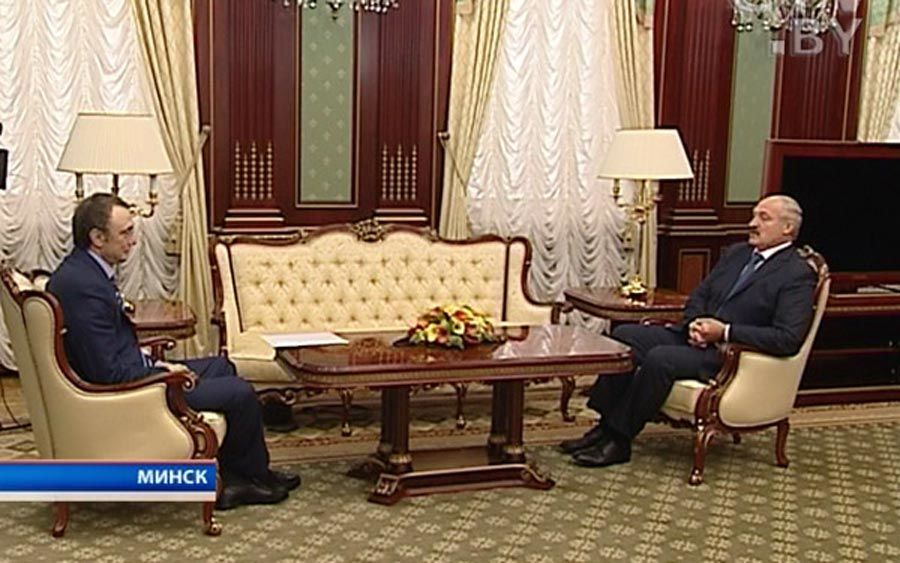
Both sides were equally to blame for this dispute. By leaving the cartel agreement, Kerimov anticipated a fall in the shares of potash companies and “played the market down.” Forbes magazine described the story as follows: “Shortly before Uralkali’s announcement [of its withdrawal from the cartel], Kerimov’s structures bought put options on potash company shares from Sberbank, which it had acquired from several Western banks. When the stock prices collapsed, the options ‘activated’ and Kerimov was able to sell the securities at the previously fixed higher price.” A source involved in the operation confirms the scheme, adding that Kerimov’s personal gain from the collapse of the potassium market amounted to about $300 million.
In August-September 2013, the conflict reached the Kremlin, with Putin having a conversation with Lukashenko. The Russian president also unofficially received Kerimov. At that meeting, as the billionaire told his entourage, Putin promised him that he would have no problems with the law. Russia did indeed refuse to comply with Belarus’ request to arrest Kerimov, and Baumgertner was also soon transferred to his homeland and released. But Putin wanted something in return: Kerimov had to transfer about $100 million to the Kremlin-sponsored Sirius Children’s Center
Kerimov had to part ways with Uralkali because the fall in share prices made it difficult for him to service the loans he had taken out to buy the company. By the end of 2013, Kerimov’s stake in the potassium company had been sold to Mikhail Prokhorov and Dmitry Mazepin. However, there was one loser in this deal who would later get back at Kerimov (see below).
The drama with Uralkali also sealed the fate of Anzhi – the owner no longer wanted to spend millions on maintaining the team. Kerimov spent around half a billion dollars on the football club during his ownership
This was perhaps the only deal Kerimov made that did not bring him any profit – he lost money and never became the head of Dagestan.
Kerimov has not been very public lately — he does not appear in the Federation Council and rarely attends social events. One of his wives, Marina Petrenko, is a completely different story though. In February 2022, when war broke out in Ukraine, Moscow was plastered with advertisements for the film Blind Valentine’s Day. Marina herself appeared on the banners, having not only played one of the roles, but also produced the film. Petrenko, a 38-year-old native of Crimea, was an actress before meeting the oligarch, appearing in low-budget Ukrainian and Russian TV series. She was introduced to Kerimov by popular TV presenter Andrei Malakhov, who is well known in Moscow high society for setting up starlets with rich and influential men for a small fee.
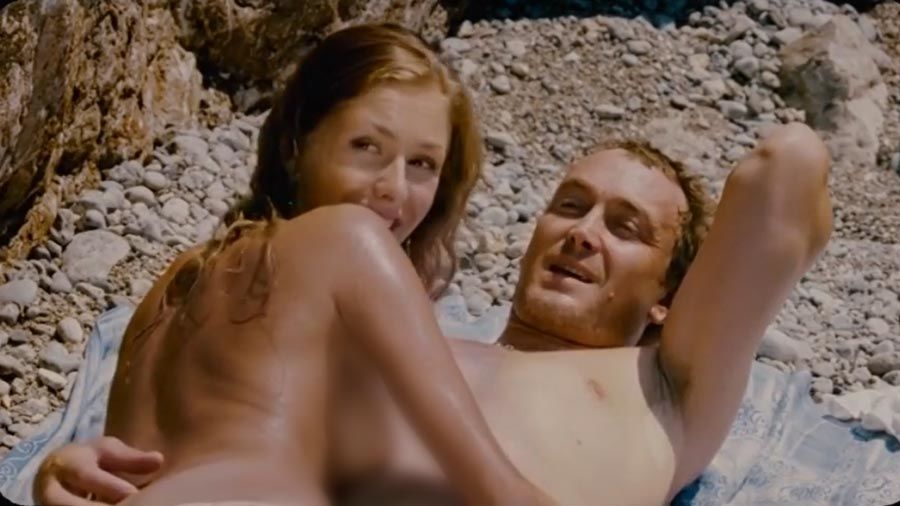
The phrase “one of his wives” is not a mistake. Kerimov, as is customary among wealthy and powerful immigrants from the Caucasus, had several wives at the same time. The first, Firuza Khanbalayeva, whose father paved Kerimov’s way to Moscow, remains the billionaire’s official wife. She is well off and lives in a luxurious house in Skolkovo. But Kerimov now spends most of his time with Petrenko, who has given birth to four children (the two eldest sons were born in Los Angeles and New York, so they are probably US citizens by birth). Other members of Kerimov’s harem at various times included ballerina Anastasia Volochkova and Olympic champion figure skater Elena Ilinykh. Kerimov’s neighbor in the Caucasus region, Chechen leader Ramzan Kadyrov, has no fewer than five wives. So the realities of the aforementioned film Kidnapping, Caucasian Style in which the villain stole the girl he liked, have been fully preserved in the 21st century.
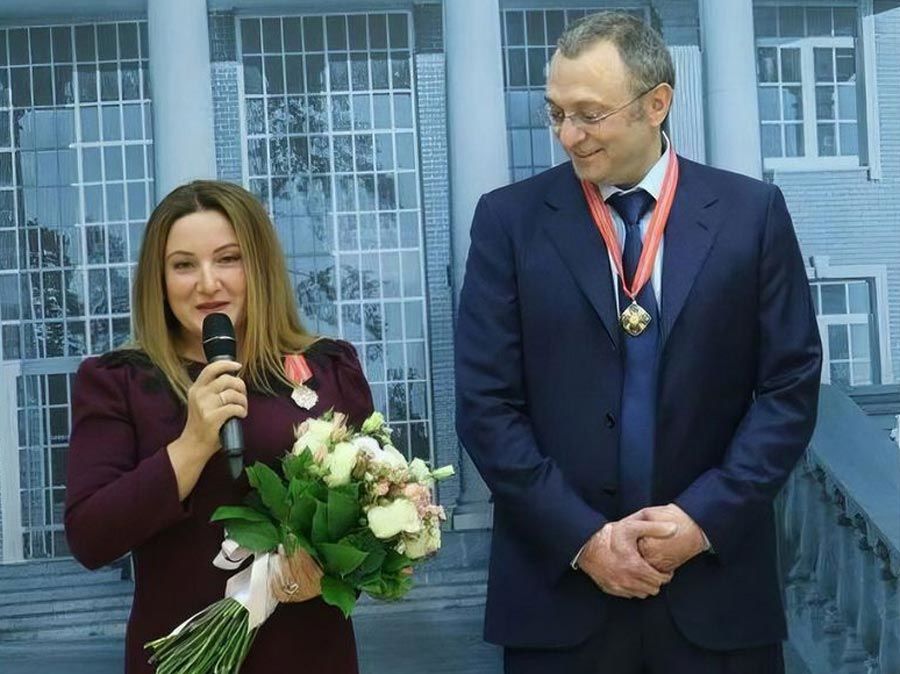
However, the advertising posters that hung in Moscow in February 2022 are important to us not only because of the photograph of Senator Kerimov’s wife. These billboards belonged to the largest outdoor advertising operator in the country, Russ
Russ, which was founded in Russia by the famous investor Rupert Murdoch, achieved its current monopoly position in the advertising market as a result of several acquisitions, for which Kerimov’s connections in the Kremlin also came in handy. In 2019, the advertising firm Laisa, which was involved in outdoor advertising in the metro and on railways, became the first to be acquired by Kerimov and brothers Levan and Robert Mirzoyanov, who officially own the business. Kerimov paid about a billion dollars for control of Laisa Dmitry Peskov, the president’s press secretary and the hero of another episode of our investigation. Of course, Peskov did not own a stake in the company publicly, but rather through Sergei Kolushev, his friend, an honored guest at his own wedding, and also the manager of the ice shows of Tatiana Navka, Peskov’s wife.
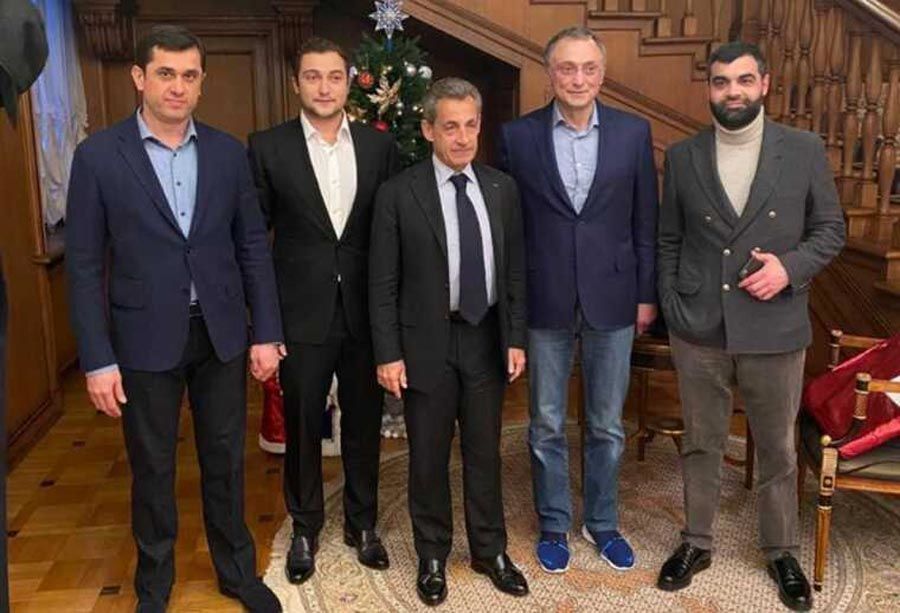
Next, Kerimov took over the Russian business of French advertisers from JCDecaux. To convince the French, Kerimov needed someone more influential than Peskov — Putin himself discussed the fate of JCDecaux with former French President Nicolas Sarkozy
In Gallery Kerimov secured a job for the son of another character in our investigation, Alexei Gromov, deputy head of Putin’s administration. This is common practice for Gromov Sr. His children and wife were employed or taken on as partners by other oligarchs close to the government.
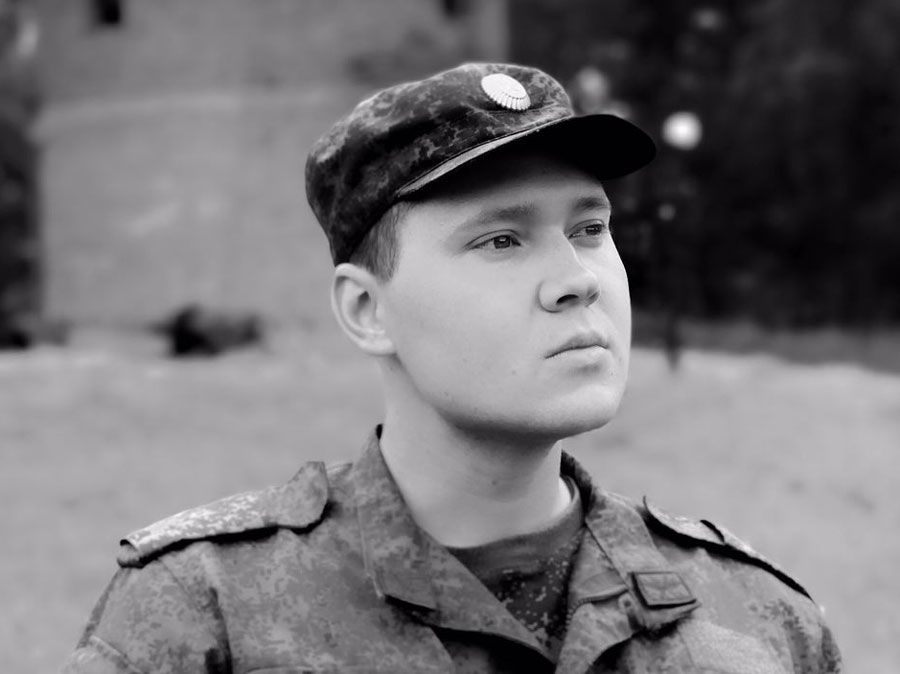
Danila Gromov, the official’s younger son, worked as a PR manager at Gallery since 2020, and in 2021 he was appointed deputy director of Russ Outdoor. One should not think that the young man achieved these positions on his own. First, we know that Kerimov personally secured his employment Bekhan Barakhoev Vaino
When Kerimov consolidated the entire outdoor advertising business in his hands, he set his sights on something bigger. In 2024, the billionaire’s junior partner, Robert Mirzoyan, either on the advice of his senior colleague or on his own initiative, began an affair with a married woman, Tatyana Bakalchuk. Among her strong points is the fact that Tatyana owns Wildberries, Russia’s largest online marketplace, valued at $10 billion.

Soon, a third party, Suleiman Kerimov, became involved in the affair between Mirzoyan and Bakalchuk. He held lightning-fast negotiations with the enamored woman, convincing her to merge her huge company with Russ Outdoor. Vaino arranged a visit to Putin for Kerimov and Bakalchuk, where the Dagestani entrepreneur convinced the president to approve the major deal (Russ Outdoor is important to the Kremlin because it is the largest operator of outdoor advertising for political and social campaigns, military service, etc.). However, there was one obstacle: Tatiana’s legal husband, Vladislav Bakalchuk, who realized, albeit not immediately, that not only his wife but also his money was about to be taken away from him. And then things turned bloody.
Strangely enough, Kerimov’s Uralkali affair came back to haunt him during the Wildberries story. In the fertilizer saga, there was one person who was very disturbed by Kerimov’s success. This is the second hero of this chapter – the leader of Chechnya, Ramzan Kadyrov. We mentioned above that almost everyone benefited from the sale of Uralkali, except for the company’s minority shareholder, who was left without his share. That shareholder — informal, of course — was Kadyrov. Here’s the thing. In 2011, Uralkali and Silvinit merged, making the company the world’s second-largest producer of potassium fertilizers Zelimkhan Mutsoyev. They acted in the interests of Suleiman Kerimov
×
. But the deal might not have gone through, as Silvinit’s major shareholder, Petr Kondrashov, who was then commonly referred to as a “red director,” had been adamantly refusing to part with his stake. Kerimov turned to Kadyrov for help, and Kadyrov enlisted the help of State Duma member Adam Delimkhanov, his closest associate in shady deals. They used threats to convince Kondrashov that the shares had to be sold, and as a result, they believed they could count on 20% of Kerimov’s stake in the merged potash company. In the end, Kondrashov moved to Austria for greater security, and Kadyrov did not receive “his share” when Kerimov sold Uralkali. This caused a conflict between the two Caucasian government officials, neither of whom are legally allowed to engage in business.
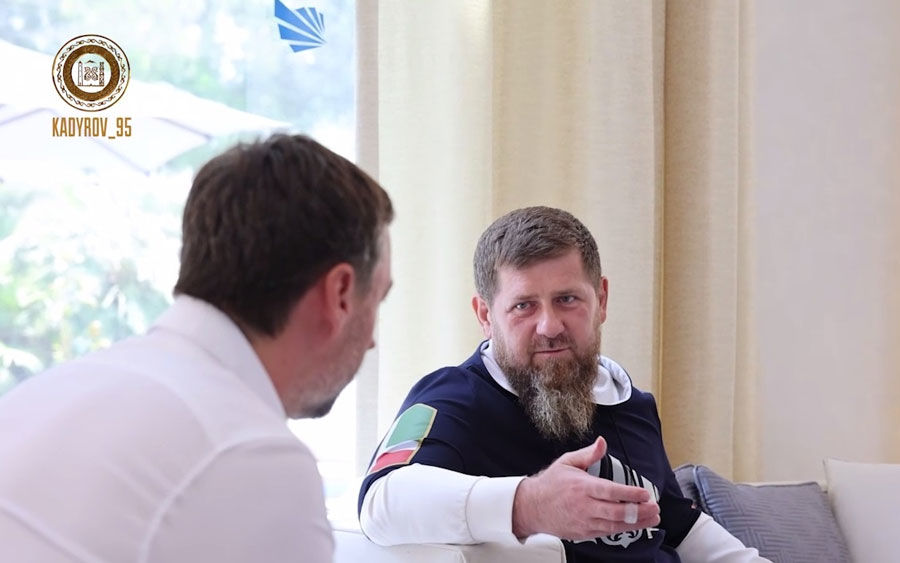
In 2024, Kadyrov once again sensed money and an opportunity to get even. He took advantage of the conflict between the Bakalchuk spouses and publicly sided with the abandoned husband. The “Battle of Wildberries” was the name given to the fight in central Moscow outside the company’s office, where Bakalchuk arrived with the armed support of Chechens. The office was defended by Ingush security guards. The attempt to break through and regain control of the company quickly escalated into a shootout, resulting in the deaths of two Ingush and several people on both sides being wounded.
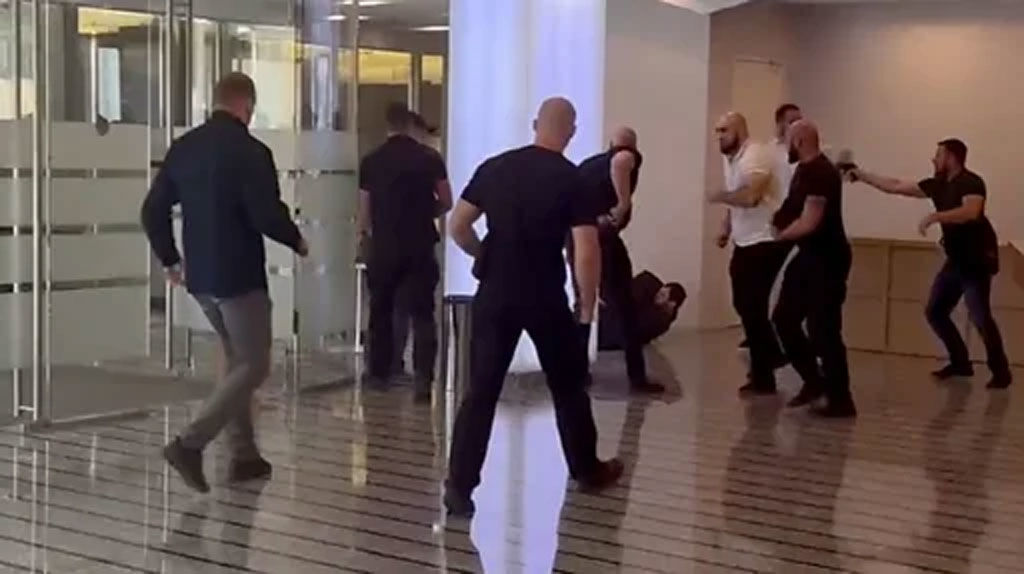
Never before in modern Russian history had two acting government officials used weapons to settle their differences, killing people and terrifying bystanders some 400 meters from the Kremlin. This was followed by something that had also never happened before in Russian politics: the head of a region (Kadyrov) publicly declared a blood feud against a senator (Kerimov) and two State Duma members (Barakhoev and Kurbanov), and the perpetrators of the revenge were another MP (Delimkhanov) and another senator (Suleiman Geremeev, another of Kadyrov’s henchmen in Moscow).
Senator Kerimov entered his 26th year of public service in a situation of great stress with criminal overtones, which is all too familiar to him. The severity of his current problems is probably not comparable to what he has faced in the past though. Now the billionaire is hiding not only from photographers and bacteria, but also from officials led by blood feud. The headquarters of Kadyrov’s militants, the President Hotel on Yakimanka, is located some 500 meters from Kerimov’s office. The senator no longer attends meetings of the Federation Council, not only because he has paid for being allowed to skip them, but also because he might encounter Geremeev there (according to the voting database, the Chechen does sometimes show up for work). There have been fistfights in the Russian parliament, but no gunfights yet