
Scene Seven
Manor Estates and Communal Houses
An investigation into how Vladimir Putin’s entourage created two closed communities for themselves in Moscow parks
Characters:
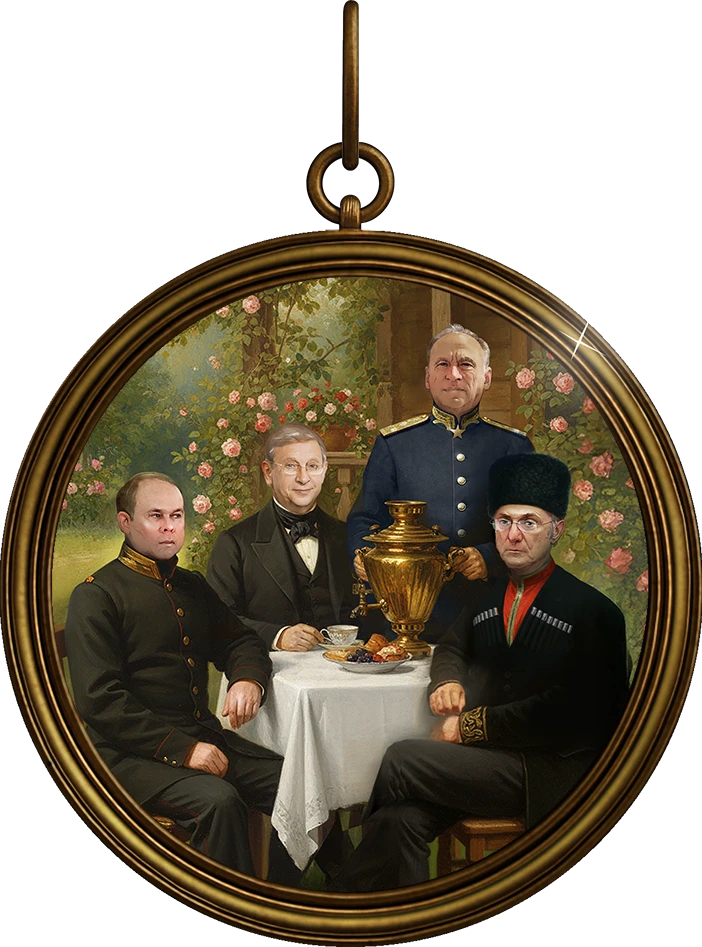
The families of Vladimir Yevtushenkov, Nikolai Patrushev, Suleiman Kerimov and other dacha owners
6
The nobility always preferred to live in seclusion, isolating themselves from the common people, surrounding themselves with their peers, and only occasionally allowing servants, artists, businessmen and opportunists to become their neighbors. In Communist and then democratic Russia, it was exactly the same: the Narkomfin building, the House on the Embankment, 26 Kutuzovsky Prospekt, the house of Boris Yeltsin and his entourage in Krylatskoye, the brick multi-story building at 3 Shvedsky Tupik, where Vladimir Putin’s entire entourage received apartments when he came to power. There are many such places in Russia, because the customs of the regional elites only differ from those of Moscow by their local flavor.
Sochi is a national resort where nobles from all over the country, from the president to escorts serving officials, settle compactly. In this seaside town, next to the circus, there is an interesting house whose short history tells about the habits of Putin’s elite in a much more entertaining way than anecdotes. The residential complex is called Volna-Fregat. The plot where the houses were built was a tempting piece of real estate for any developer – only 150 meters from the sea, a distance at which it was previously impossible to build housing in Sochi.
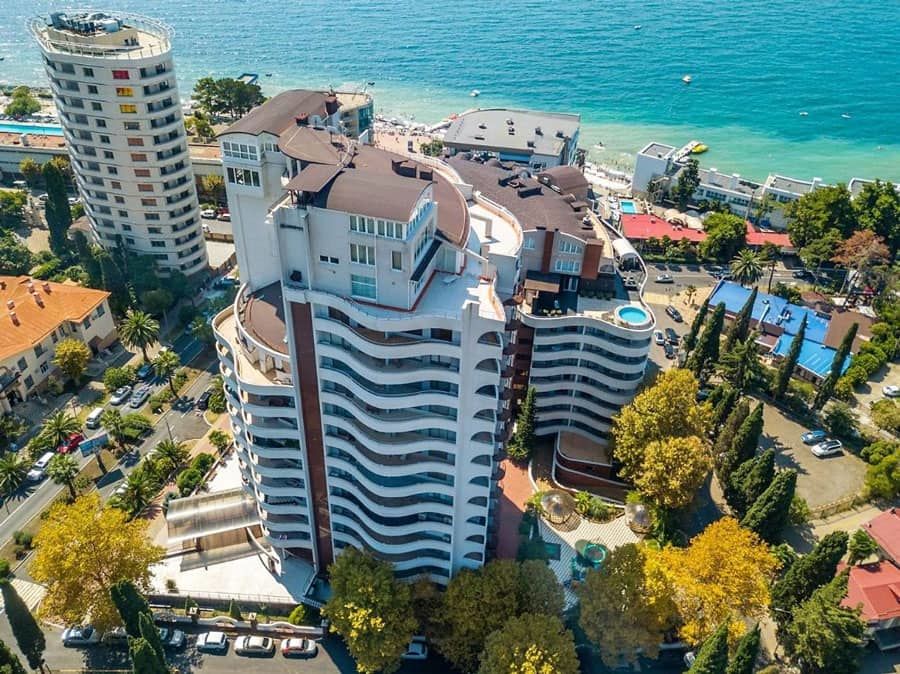
According to reports, the head of the Sochi circus Mstislav Zapashny sought to acquire this land (he wanted to build a dolphinarium there) but the uncle of the famous animal trainers was beaten up on the street with rebar 
The mayor’s office was probably motivated not only by money, but also by the developer’s status. The houses were built in 2004 by Mikhail Khubutia, an arms baron who entered big-time politics at the beginning of Putin’s rule. He was the Minister of Trade for the Moscow Oblast, then worked in the federal Ministry of Economic Development. Later, in addition to the arms business, he got involved in real estate. Now he is an elderly, corpulent businessman with personal problems: in the spring of 2025, Khubutia attacked his young mistress, the mother of his out-of-wedlock daughter, with an axe. The scandal was considerable, and now the businessman lives under house arrest in his Moscow estate.
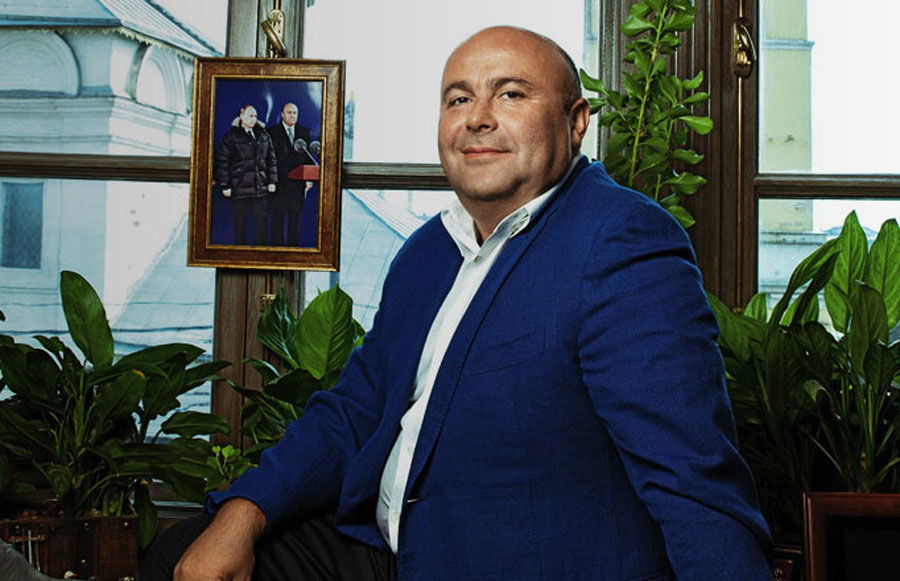
Khubutia not only built the house, but also became a member of the Na Deputatskoy housing cooperative
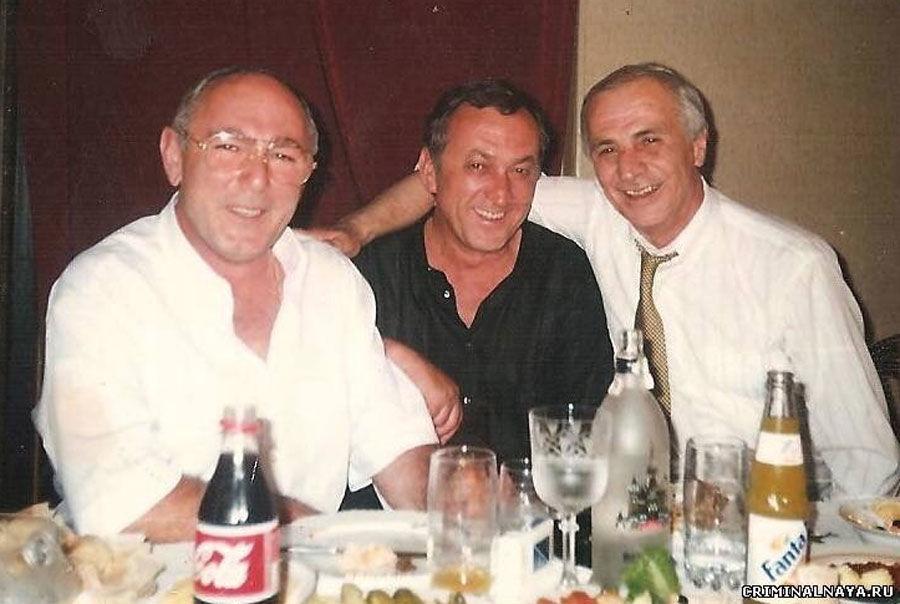
The daughter of the Sochi crime boss was joined in the homeowners’ association by the wives of the leaders of Russia’s largest gangs. Galina Telesh is the ex-wife of Semyon Mogilevich, the leader of the Solntsevskaya gang. Zhanna Malevskaya is the widow of Anton Malevsky, leader of the Izmailovskaya gang. In addition to gangsters, the house also housed relatives of high-ranking government officials, from the wife of United Russia senator Vyacheslav Timchenko to the daughter of former minister and auditor of the Accounts Chamber Mikhail Men. The fact that the apartments were registered in these women’s names was most likely just a ploy to keep the names of famous people out of public documents. Singer Lev Leshchenko and entertainer Vladimir Vinokur also had apartments on Deputskaya Street. Employees of state and state-affiliated companies, politicians, singers, and soccer players, along with their wives and children, were all united by the elite residential complex in Sochi.

In Moscow, it’s much the same, only on a larger scale. Everyone knows about Rublyovka, the suburban highway west of the capital, where many influential and wealthy Russians have settled. But much closer to the center of Moscow, there are two other residential enclaves, invisible to ordinary citizens, but even more elite than Rublyovka, as if they were created specifically to tell the story of Putin’s cronyism. We are talking about Serebryany Bor, about eleven kilometers from the Kremlin, and the Sparrow Hills, from where the entire center of the capital can be seen at a glance.
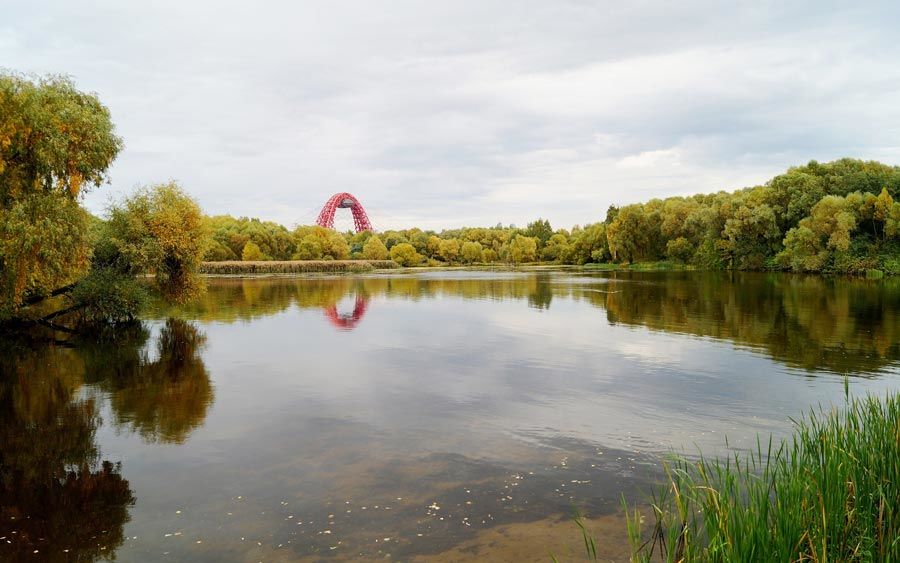
No one really knows why the forest along the Moskva River in the west of the city is called Serebryany Bor (Silver Pinewood), but this can be understood as a hint at the wealth of the local inhabitants. Both under the tsar and under Soviet rule, it was a place for privileged dacha owners. In the former case, the land was leased to status residents by the Appanage Department (i.e., the crown itself), and under the Soviets, by an organization called Mosdachtrest (i.e., again, the highest state authority represented by the capital’s City Executive Committee). Soviet officials lived in Serebryany Bor, where the executioners and their victims built their dachas wall to wall: Marshal Mikhail Tukhachevsky, who drowned peasant rebellions in blood, became a victim of the repressions, and Lavrentiy Beria, head of the NKVD, who led the mass executions, settled in Serebryany Bor in his stead. He was later executed as well, and one of the alleys in the forest became known among the people as “Execution Alley.” Thanks to the NKVD, the forest became what we see on the map today — in the 1930s, prisoners built a canal that straightened the course of the Moskva River and turned the area into an island.
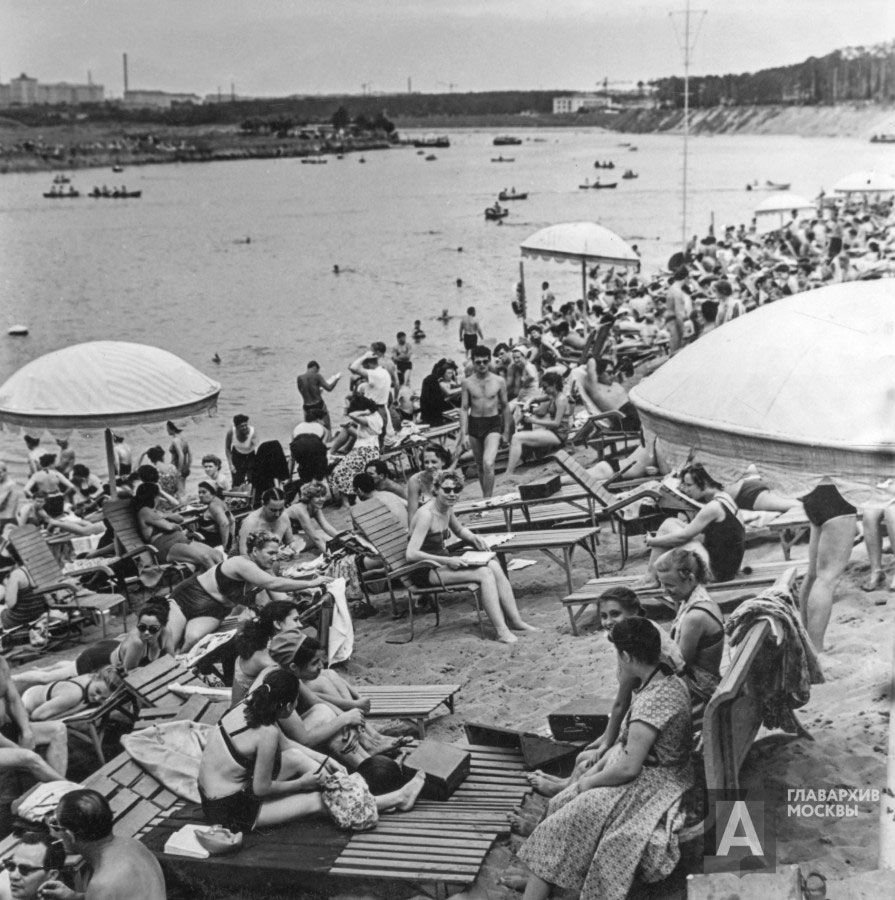
From that time to the present day, the only way to get to Serebryany Bor by land is via the reinforced concrete Khoroshevsky Bridge, where there is a permanent police post. This post quickly makes it clear what role you play in the life of the state. If you are an ordinary driver, you will simply not be allowed into Serebryany Bor. Hikers turn left immediately after the bridge, where hundreds of meters away there are wild beaches and picnic areas. In summer, this place resembles a station square: noisy and crowded, with lots of trash and drunk people. The elite have car passes, and immediately after the bridge, expensive cars turn right, where the homes of privileged members of society, some with guards posted outside, are located on several lanes.
In the late 1980s, two young men appeared in the Moscow City Executive Committee, the highest governing body of the capital during the Soviet era: Yuri Luzhkov and Vladimir Evtushenkov. Both chemists by training, they worked in plastics factories, which probably brought them closer together.
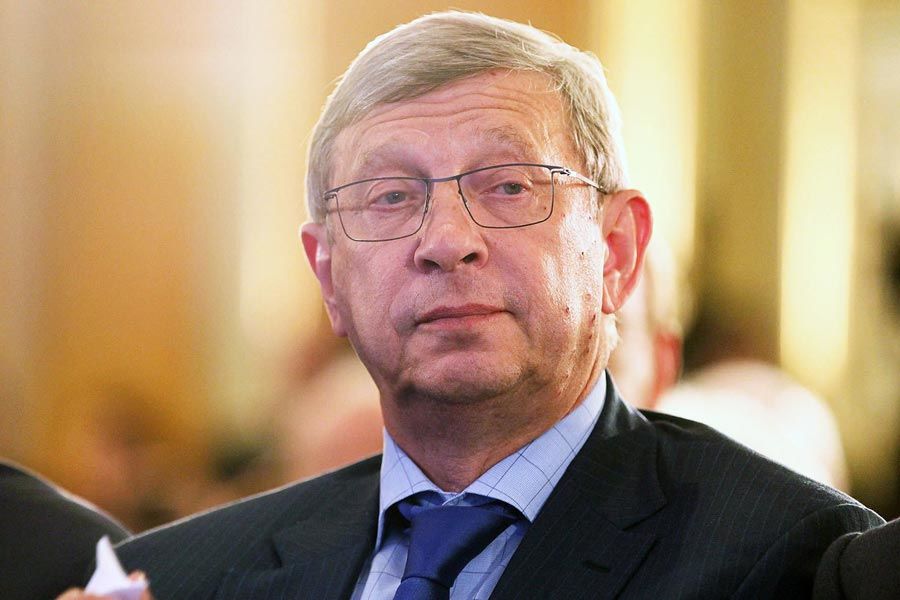
Very soon, Luzhkov would become the head of the Moscow City Executive Committee and later mayor of the capital. Yevtushenkov would be his subordinate, the head of the science and technology department. The two were so close that in the 1990s, journalists confidently wrote about their relationship, claiming that they were married to sisters. This is not true.
In 1993, Yevtushenkov left the mayor’s office and founded the Sistema company on the basis of Moscow state-owned enterprises, which would succeed in a wide variety of areas, from logging to cellular communications. Sistema would bring Yevtushenkov billions — he is still among the top 100 richest Russians. But he also had a separate passion, Serebryany Bor.
Stalin’s Mosdachtrest was taken over by Yevtushenkov in the best traditions of the 1990s privatization. In 1993, Sistema received the first part of the shares. Their number and value are unknown, but the media reported at the time that Yevtushenkov had acquired the shares as a result of some kind of investment competition. Five years later, when Mosdachtrest’s first financial statements were published, it became clear that the Moscow City Hall and Sistema
Mosdachtrest had been a kind of housing and utilities company until then: it managed the Moscow city government’s dacha fund, settling people there according to a quota issued by the authorities “for special merits.” Everything changed in 2001, when Russia allowed preferential privatization of land
For two decades, the new elite, represented by Evtushenkov, fought mercilessly against the old elite, the dacha owners who had settled in Serebryany Bor during the Soviet era on the basis of indefinite and almost free leases. Among those with whom Yevtushenkov fought were, for example, actors from the Moscow Art Theater and the Mayakovsky Theater, People’s Artists Vladimir Zeldin and Vera Vasilyeva, and others. They paid the state a symbolic fee under Soviet “perpetual use” agreements and thought it would last forever. Mosdatchrest smoked out such dacha owners, often regardless of their merits and ethics as such: people’s water and electricity would be cut off, their plots would be fenced off, and so on. “Artists and scientists must understand that times have changed. Otherwise, some of them will develop a superiority complex and think that everything should be given to them for free,” said Mikhail Larin, deputy director of Mosdachtrest, in 2003, hinting that the Soviet elite was no longer in favor.
But who is in favor now instead? If you study the list of current residents of Serebryany Bor (Proekt prepared a detailed map of the estates below), you will find that there are four main types of dacha owners living among the pine trees.
Who is in favor in Serebryany Bor
Government officials Marat Khusnullin, the Patrushev family, Suleyman Kerimov
28
Businessmen Vagit Alekperov, Grigory Berezkin, Alexey Repik
25
Fixers and schemers Valery Bitaev, Yuri Volikov
5
Public figures Alexander Ovechkin, Oleg Gazmanov, Alexander Lyubimov
4
*The “government officials” category includes federal and municipal officials, employees of security and law-enforcement agencies and state-owned companies, State Duma deputies, and members of the Federation Council.
The largest group is Putin-era civil servants
Here is the full list of residents of Serebryany Bor as of 2023 — see the map:
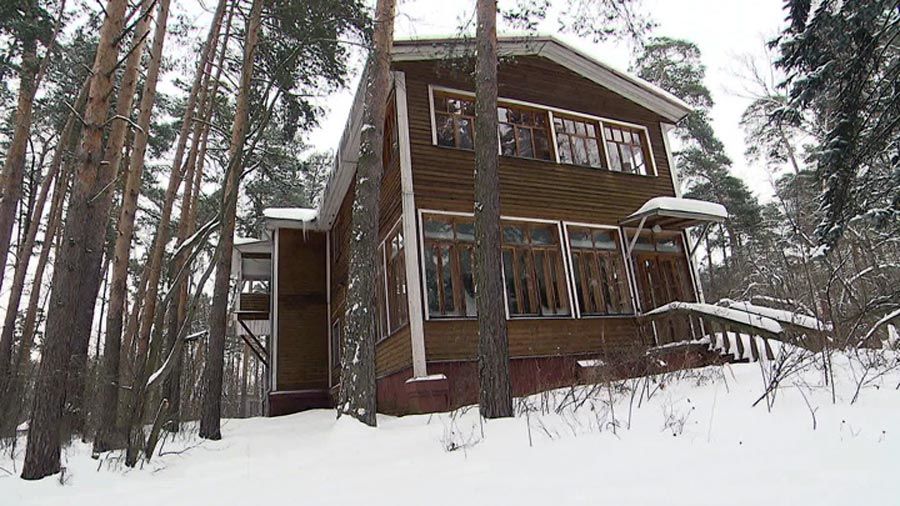
Yevtushenkov’s longest battle for land involved the family of the famous Soviet pilot Valery Chkalov, known as “Stalin’s Falcon.” In 1938, shortly after the pilot’s tragic death, the authorities allocated a dacha in Serebryany Bor to the hero’s widow and children for indefinite use. Chkalov’s numerous descendants lived in this house for decades—they no longer had any significant connections or money in the new Russia, and the house gradually fell into disrepair, but the land beneath it was becoming more valuable with each passing day.
In order to evict the Chkalovs, Mosdachtrest fictitiously sold their plot to a company called Bon-Investments. The new owners announced that commercial cottages would be built on the dacha grounds: they surrounded the Chkalovs’ dacha with a construction fence, posted security guards, and cut off utilities. The grandchildren and great-grandchildren of the legendary pilot spent three years litigating with Bon-Investments, but the Supreme Court ultimately ruled to evict the famous family.
The story of the war between Evtushenkov and Chkalov is indicative of how the Sistema fought against the old dacha owners in Serebryany Bor, using its connections, money, and family ties.
Firstly, Bon-Investments, the company that initiated the eviction of the Chkalovs, turned out to be secretly affiliated with the owner of Mosdatchrest. As Proekt established, the beneficiary of Bon-Investments, Tamerlan Osmaev, is an employee of a company linked to Yevtushenkov’s family.
Secondly, Yevtushenkov had his own man in court, which probably predetermined the outcome of the case in favor of Mosdachtrest. The fact is that a certain Yuri Volikov also has a dacha in Serebryany Bor. This inconspicuous character is the nominee of Deputy Justice Minister Oleg Sviridenko. Sviridenko is currently in charge of adding people and organizations to the list of foreign agents, and was previously the chairman of the Moscow Arbitration Court and deputy chairman of the Supreme Court for economic disputes.
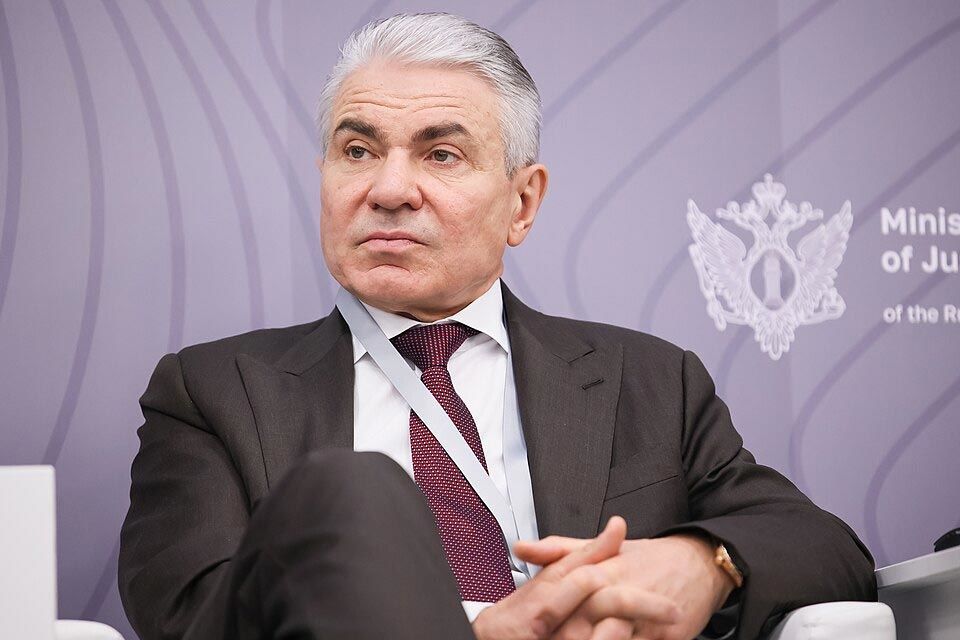
Volikov (i.e., Sviridenko) has been renting his dacha from Mosdachtrest since 1998, but pays a ridiculously low rent for it — about 388,000 rubles per year
Oleg Sviridenko also opened the only hotels in Serebryany Bor, Royal Zenit-1 and Royal Zenit-2, on Mosdachtrest land, and Sviridenko’s wife Elena was employed by Mosdachtrest as a legal advisor, was a member of its board of directors, and even owned shares
Thirdly, Yevtushenkov has such high-ranking relatives in uniform that the conflict with the Chkalov family was a trifle for him. As Proekt has established, Yevtushenkov is related to one of the leaders of the FSB, General Alexander Tikhonov, who is a close associate of Nikolai Patrushev, the country’s long-time chief security officer.
For 24 years
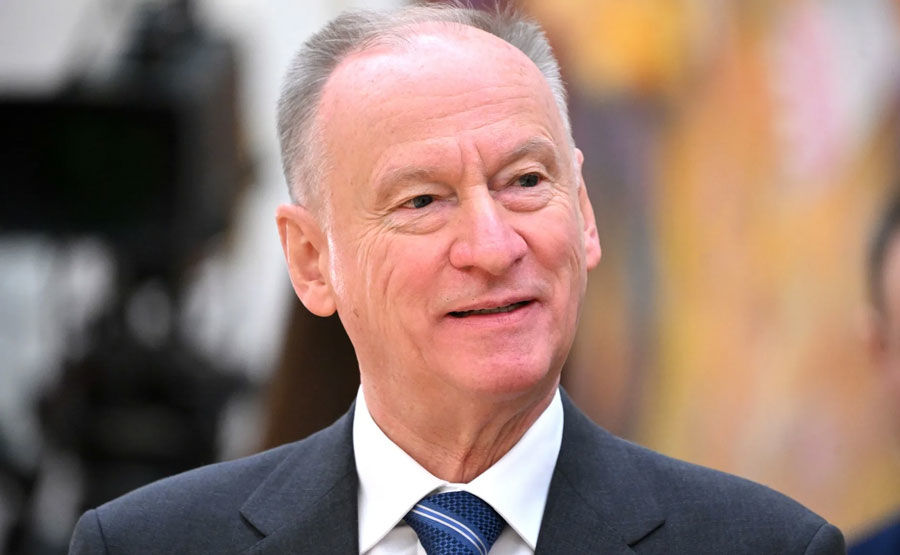
Fourth, Yevtushenkov directly enriched Patrushev, who for many years was the head of the FSB and the security service official closest to the president. Mosdatchrest ceded land in Serebryany Bor to 70-year-old Elena Patrusheva, the wife of Nikolai Patrushev, with an annual income of less than 500,000 rubles. A huge house, measuring 1,500 square meters, was built on her plot, which the authorities immediately classified as secret
But Yevtushenkov’s most significant gift to the Patrushev family is located about a kilometer from the home of the Chekist family’s mother. There is a huge mansion there — about 2,600 square meters — built by Deputy Prime Minister Dmitry Patrushev. This is also a gift to a woman, as the house was registered in the name of yet another secret wife in our story. Her name is Marina Artemyeva, she is the partner of Patrushev Jr. Artemyeva and Patrushev received the land from Yevtushenkov under conditions that would normally be grounds for a criminal case on bribery.
Three cadastral plots were needed to build Artemyeva’s huge house — two were purchased directly from Mosdachtrest, and another from financier Agaron Papoyan
Yevtushenkov settled Dmitry Patrushev’s family in Serebryany Bor in 2015, when he was under criminal investigation on charges of money laundering in connection with the purchase of Bashneft shares. The case was initiated in the second half of 2014, and the businessman was placed under house arrest, with the fate of his business seemingly dangling by a thread. The issue was that the state-owned Rosneft, headed by Igor Sechin, the unofficial curator of the Russian energy sector, had set its sights on Bashneft.
In the end, Bashneft was transferred to the state, but Yevtushenkov was released
Apparently, Vladimir Yevtushenkov is very fond of Serebryany Bor. So much so that he managed to settle two of his four families here.
Felix Yevtushenkov is the son of the oligarch, born to his wife Natalya Yevtushenkova. All public biographies of Yevtushenkov Sr. state that the couple is still together, which means that Natalya must live somewhere nearby, in the clearings of Serebryany Bor (after all, Yevtushenkov has about 200 country houses there).
But the truth is different: 200 meters from Felix, literally on the neighboring forest road, Yevtushenkov Sr. has settled his other family. There is a huge mansion registered in the name of Elena Brusilova, who has been working in the Sistema structures for a quarter of a century and, apparently, has had an affair with her boss. She was the president of Medsi, Russia’s largest private network of medical clinics, which is part of Sistema. Yevtushenkov has never officially acknowledged his relationship with Brusilova, although he regularly appears with her at social events, travels to resorts with her, and they have a 21-year-old daughter and a 17-year-old son.

Although Yevtushenkov did not settle his two other women with children in Serebryany Bor, he still provided for them. In 2015, 22-year-old Ozon employee Iloanga Ershova gave birth to a son to 66-year-old Vladimir Yevtushenkov. Four years later, they had a daughter. By that time, Iloanga had been appointed director of development at Ozon, a company in which Sistema was a shareholder. In early 2020, Iloanga received a house in the heart of Rublyovka, in the village of Zhukovka. In 2024, Ershova received a new gift: Yevtushenkov gave her the Fashion TV channel
Another secret family of Yevtushenkov settled next to the Ershovs on Rublyovka—a 450-square-meter house in Razdory went to 61-year-old actress Tatyana Yakovenko. Her romance with the oligarch developed in the 1990s and early 2000s — they had a son in 1992 and a daughter in 2003. Yakovenko also acquired a television-related business. The production company Kinomir produces low-budget films and series for state television channels.
However, even Serebryany Bor is not the most “prestigious” place to live in Russia. For the first time, Proekt tells the story of an inconspicuous corner in the very center of the capital, living in which gives local residents a much higher status than real estate on Rublyovka, in Serebryany Bor, or on the rivieras of Sochi or Crimea. We are talking about Sparrow Hills, the center of Russian cronyism and corruption.
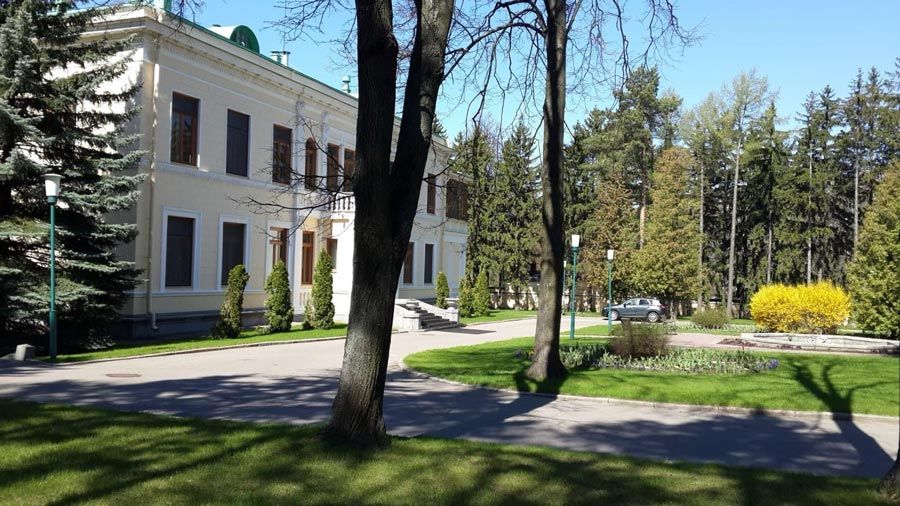
Many Muscovites and visitors to the city do not even know that on Kosygina Street, just 800 meters from the most famous observation deck in the capital, there are people who live there permanently, including high-ranking officials and major businessmen. The state dachas were built in the 1950s near the junction of Kosygina Street and Mosfilmovskaya Street. Ten houses stand deep in the quarter behind the Mosfilm pavilions, side by side with the Kremlin hospital on Michurinsky Prospekt. One dacha, probably the largest, is located on the other side of Kosygina Street, right on the slope of the Sparrow Hills, overlooking the Moskva River and Luzhniki. Ordinary people cannot even drive up to these properties — there is a “no entry” sign at the exit from the street.
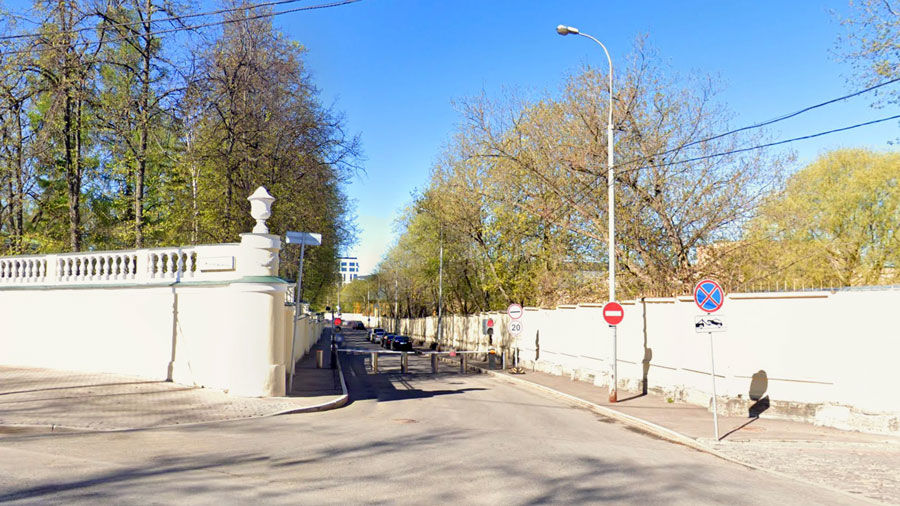
That sign is there for a reason: members of the Central Committee of the Communist Party of the Soviet Union once lived here, it was Nikita Khrushchev’s private residence, and it was used to house particularly important guests of the USSR, such as Fidel Castro, during their visits. Since Soviet times, almost all the facilities here have belonged to the state and are managed by one of the divisions of the Federal Protection Service (FSO)
But the houses are hardly ever left empty – the FSO management rents them out at state rates, receiving informal payments from wealthy tenants on top of that. The decision on who to settle in these dachas is made personally by the president of the country
Thanks to the indiscretion of Moscow designers who posted photos of the guarded facility in the public domain, it is possible to see that the dachas on Kosygina Street look outdated, like a health resort for the Soviet nomenclature.
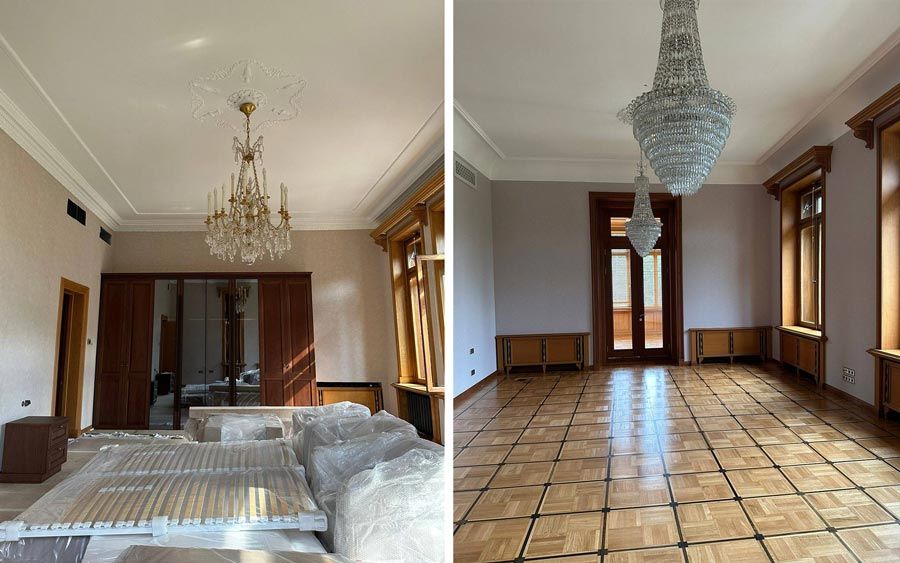
People move here for “prestige” and proximity to the authorities, not for comfort, explains a former official who has visited Kosygina Street on numerous occasions.
Khrushchev’s former dacha, the only one on the inner side of Kosygina Street, was leased on a long-term basis to companies associated with Gennady Timchenko at the beginning of Putin’s rule.
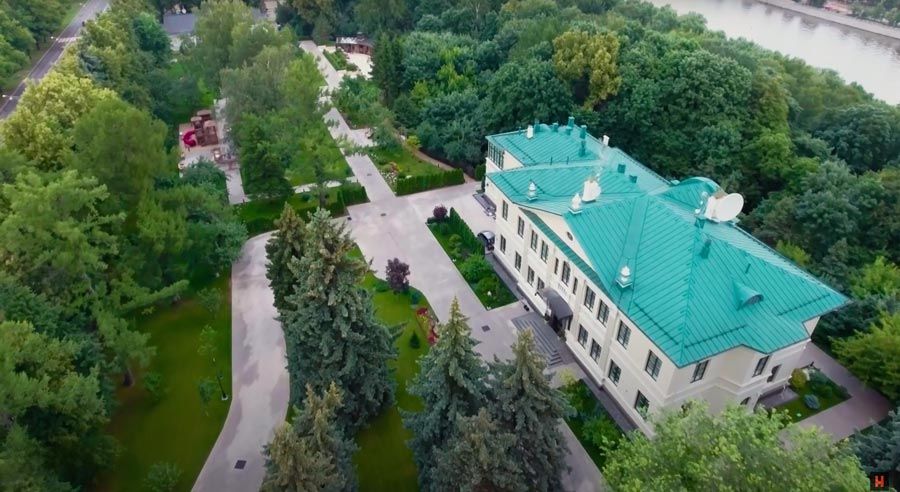
In contrast, the dachas on the outer side of Kosygina Street regularly change tenants, and their rotation provides insight into the history of Russian nepotism. In the center of the village stands house No. 57, which for many years has been assigned to Roman Abramovich, the only member of the so-called “family” of Boris Yeltsin who has retained his status as an oligarch close to the Kremlin under Putin. Neighbors say that at least until the big war in Ukraine, Abramovich did not live here often, only when he was visiting Moscow from his foreign estates. House No. 2, closest to Michurinsky Prospekt, is assigned to former Kazakh President Nursultan Nazarbayev (he also only visited here occasionally). These residents are from the “old guard.” The rest of the houses belong to the head of the Presidential Administration Anton Vaino, and his friend, oligarch Suleiman Kerimov (you can read about their financial ties and other episodes from Kerimov’s biography in another episode of our special project).
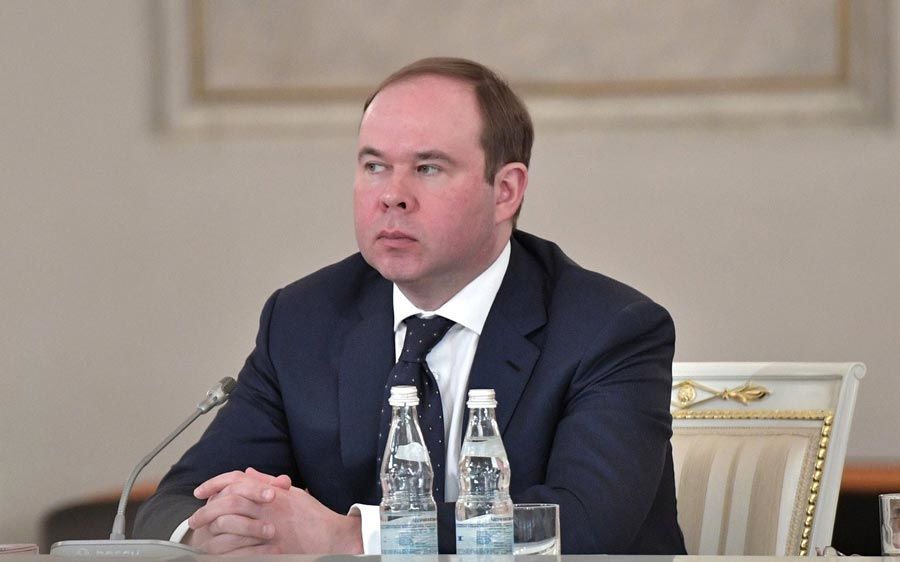
Kerimov has become a kind of commandant for this village — taking advantage of his friendship with Vaino, he can evict and resettle other dacha owners. Even Vaino’s own house, No. 67, is the former dacha of Senator Magomed Magomedov, who was expelled from here and eventually imprisoned with the direct involvement of Kerimov.
Kerimov himself took dacha No. 55. It helped him greatly in 2024, when Chechen leader Ramzan Kadyrov declared a blood feud against the senator. The fact is that the properties on Kosygina Street are protected by the Federal Protection Service, in addition to the residents’ own bodyguards. Once, a small “Caucasian war” broke out in this village. About ten years ago, a showdown between Kerimov and Kadyrov’s men took place at the dacha of Chechen businessman Ruslan Baysarov (he rents house No. 69). The Chechens tried to demand their unspoken share of Uralkali’s shares from Kerimov, but they did not succeed. Incidentally, Dmitry Mazepin, the current owner of Uralkali
It was previously taken away from State Duma member Magomed Gadzhiev, who got involved in a conflict with Kerimov (you can read more about this in another episode of our special project).
At some point, Kerimov acquired another dacha for himself on Vorobyovy Gory, No. 61, which was previously occupied by Vladimir Burkov, the former deputy head of the State Committee for Fisheries, who was associated with the senator.
But Kerimov evicted him, and one of his wives, Marina Petrenko, moved into the dacha. However, over time, she also had to “make room”: shortly before the start of the second war in Ukraine, the country’s top military leadership, then-Defense Minister Sergei Shoigu and Chief of the General Staff Valery Gerasimov, moved into Sparrow Hills (probably so that the generals would be closer to their work as they prepared to attack a neighboring country). Shoigu was given house No. 63, and dacha No. 61, where Petrenko lived, was transferred to Gerasimov. Shoigu refused to move to Sparrow Hills without his colleague, so even Kerimov had to accept the situation.
However, the name of the most curious resident of this cooperative is unlikely to mean anything to ordinary people. House No. 71 is occupied by “fixer” Vadim Zolotarev, who, like a gatekeeper, has settled at the very entrance to the mini-village. For years, Zolotarev worked with one dubious businessman after another: he was a partner and assistant to former senator and current State Duma member Sergei Lisovsky, the king of Russian show business in the 1990s, then worked in the alcohol industry, was associated with the Rotenberg brothers, involved in the diamond trade and, most likely, also did something else. But that’s not why he settled on Kosygina Street; it’s because influential people can move into this dacha village through Zolotarev.
He negotiated with the FSO leadership through Lieutenant General Vladimir Makarov
How much do local residents pay for their dachas? The rent consists of monthly official payments to the FSO and regular additional levies (including cash payments to General Makarov). On average, a dacha costs 3.1 million rubles per month
Proekt studied the latest available income and asset declarations of residents of the elite dacha cooperative. Neither Senator Kerimov, nor State Duma member Gadzhiev (until he was evicted), nor the head of the Presidential Administration Vaino listed the houses in which they actually lived. This is a gross violation of anti-corruption legislation. However, it’s just one of many others we discovered while working on our special project “Fathers and Grandfathers.”