


Scene Two
Class Democracy
The story of how the Kremlin was taken over by the children and grandchildren of executioners
Characters:
Anton Vaino, Alexei Gromov, Dmitry Peskov, Larisa Brycheva, Andrei Fursenko, Anatoly Seryshev, Dmitry Mironov, and their families.
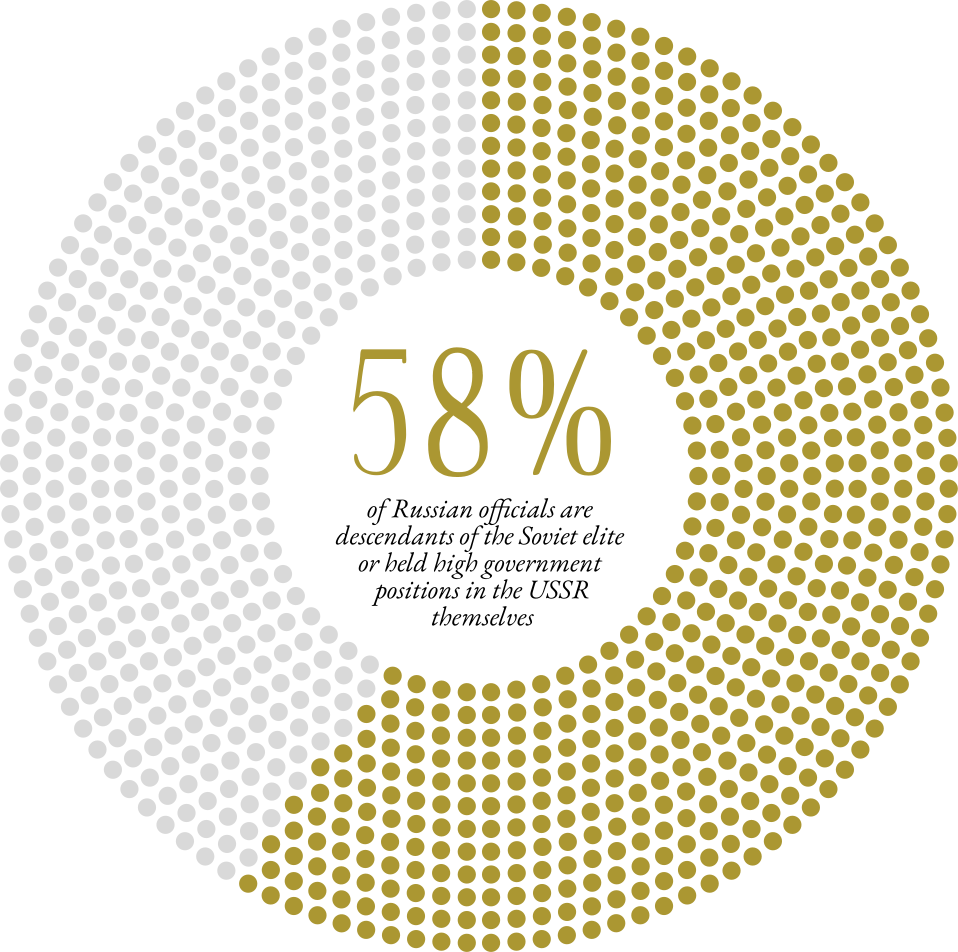
The Soviet government abolished the pre-revolutionary classes only to create new ones in their place, where the party nomenclature occupied the most privileged position — something like a new nobility. By separating the party from the state, post-communist Russia seemed to have finally achieved equality among its citizens. But this is not true either. In fact, 58% of those who rule Russia today are either the same people who ruled the Soviet Union 35 years ago or their descendants.
Officials from the Presidential Administration are often called technocrats, in the sense that ensuring the smooth running of the government and knowledge of protocol and formalities should be more important to these people than political preferences. Of course, in reality, this is not the case: the AP, as this body of power is commonly called, plays the most important role in determining the political direction of the country, censorship, repression, every sphere of society in general. So where did the people who sit in the Kremlin come from?
It would not be an exaggeration to say that the Presidential Administration is the most Soviet-style authority of all those we have studied in this project.
We studied the biographies and relatives of 101 employees of the Presidential Administration, from its head to the deputy heads of key departments, and included 69 people with signs of nepotism in our database. Of these, 32 are descendants of people who ruled our country for decades, and in some cases for centuries. About a quarter of the AP officials themselves began their careers under Soviet rule – as party, Komsomol, or diplomatic leaders, or in the KGB.
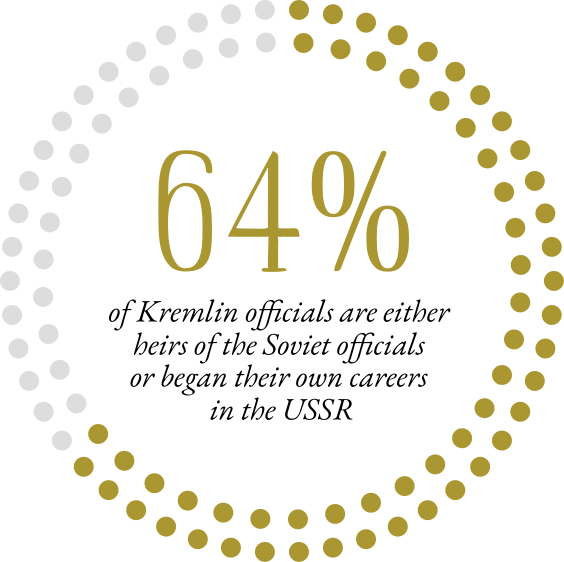
Overall, almost half (46%) of the Presidential Administration’s staff are “Soviet staff.”
Overall, 64% of the Kremlin employees who ended up in our database are “Soviet cadres” 

As a former high-ranking Kremlin official noted in a conversation with Proekt, “good heredity,” that is, belonging to a nomenclature family, has always been an advantage when applying for a job in the Presidential Administration. “It means that people are accustomed to being diligent and are statesmen by birth,” he smiles, although he himself came to the Kremlin “from the street” and did not have any ancestors who were high-ranking officials.
The Kremlin’s chief personnel officer — a position traditionally held by either one of the deputy heads of the Presidential Administration or one of the president’s aides—is an extremely important position. Over the past 30 years, it has been entrusted to a civilian (and even then only to a certain extent) only once. From 1996 to 1998, Yevgeny Savostyanov served as deputy head of the Presidential Administration in charge of personnel.
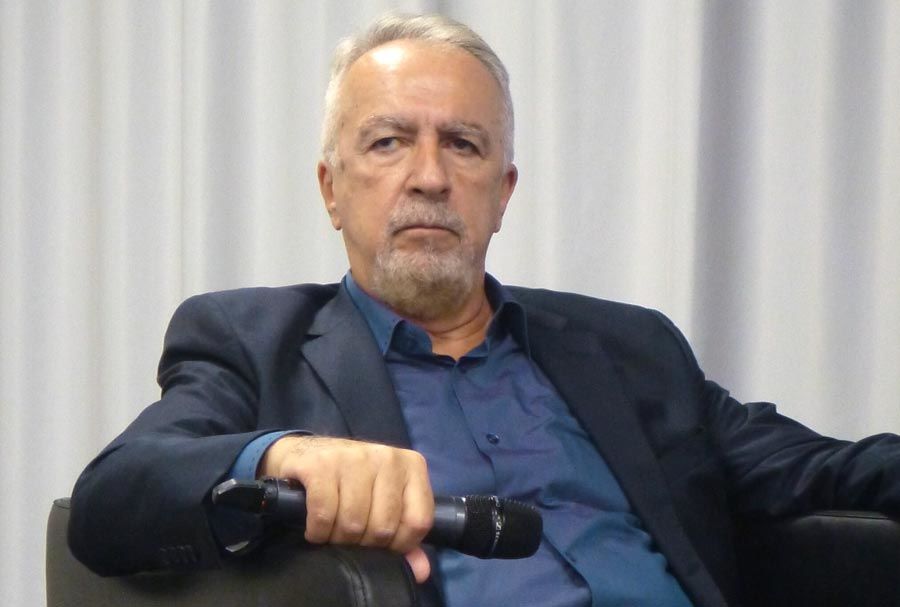
A mining engineer by training, he became involved with the democrats in the 1980s and was part of the team of Moscow’s first mayor, Gavriil Popov. Shortly after the suppression of the communist coup in August 1991, Savostyanov, despite his lack of experience in the security forces, was appointed head of the Moscow branch of the KGB (later the FSK, then the FSB). In this way, the new authorities attempted to rid themselves of the dark legacy of the Soviet secret service. But it didn’t really work out — Savostyanov himself left the “kontora” in late 1994. While working as the Kremlin’s chief personnel officer, Savostyanov saw Vladimir Putin‘s personal file when he was appointed head of the Presidential Control Directorate. “I was unimpressed,” he recalls, meaning that he saw neither particular merits nor particular sins there. When Savostyanov left the Kremlin due to a conflict with Boris Yeltsin’s entourage, a real KGB officer, General Vladimir Makarov, was appointed to replace him. From that moment on, all Kremlin personnel specialists were high-ranking officers of the special services, who differed from each other only in their degree of closeness to Putin.
The first head of the personnel service under President Putin was his colleague from the Leningrad KGB Viktor Ivanov.
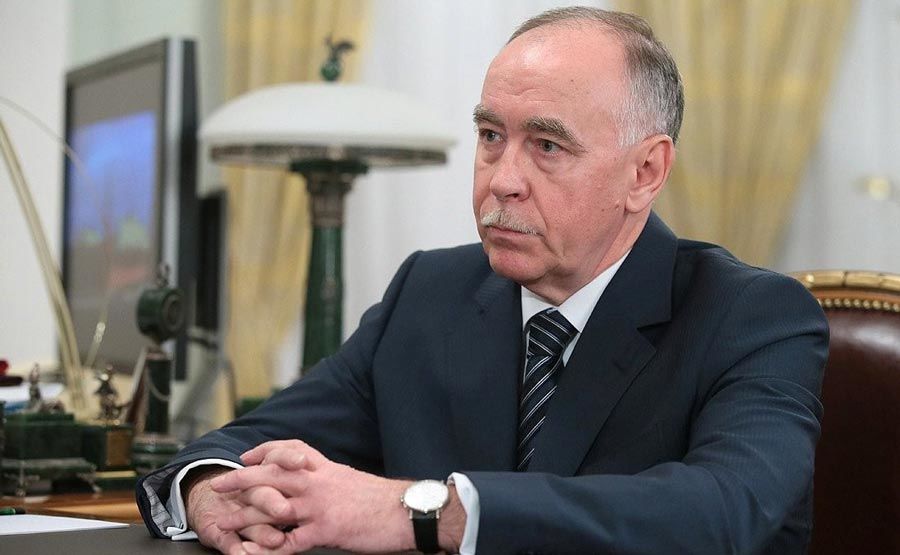
His colleagues unanimously describe him as a “narrow-minded” person with bizarre views. “Time and again, he crossed out people with Jewish and Armenian surnames from the list of candidates for state awards (which is also overseen by the Kremlin’s personnel department),” recalls a former colleague of Ivanov. Chauvinistic antics are not the only bad thing this personnel officer is remembered for. Under him, the presidential administration completely subjugated the judiciary, whose independence from the executive branch is guaranteed by the Constitution.
Ivanov’s successors in the personnel service did no better. When Putin temporarily left the presidency to Dmitry Medvedev in 2008, he assigned his own personnel officer to him. That person was presidential aide Oleg Markov. His official biography makes no mention of the KGB or the FSB. However, Markov
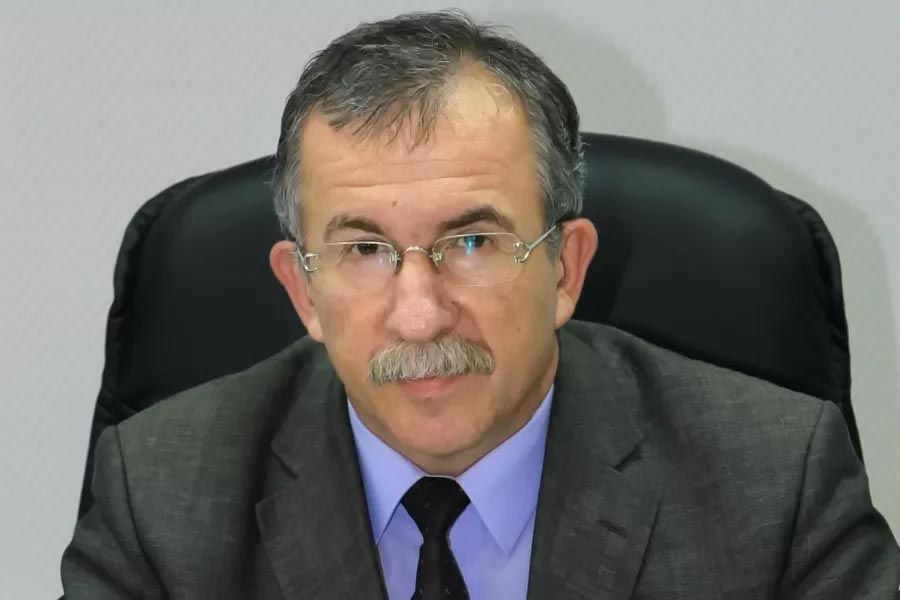
In the 1990s, Markov ended up working alongside Putin again, this time in the St. Petersburg City Hall’s Committee for External Relations. Later, Markov, who, according to someone who knew him, wore general’s stripes, worked in customs and financial intelligence. But that is not the most remarkable thing about the career of this “personnel officer.” Markov had a terrible reputation at the St. Petersburg City Hall. He regularly beat his own drivers if he was dissatisfied with their driving style or route. He also frequently cursed at his subordinates and, among other disciplinary measures, used the following technique: he would invite an employee into his office and launch into a long tirade, which he would not interrupt even when he went to the bathroom, leaving the door ajar.
When Putin returned to the Kremlin in 2012, he brought with him a new personnel officer, Yevgeny Shkolov. This FSB officer was born into a family of intelligence officers in Dresden, East Germany, where he later served, presumably at the same time as Putin. Shkolov was such a loyal Putin supporter that his name entered the folklore – journalists began to use the term “Shkolov’s group” to describe the president’s new appointees to high positions.
In 2018, an inconspicuous man named Anatoly Seryshev took over as chief of staff in the Kremlin. His biography was not particularly public, except for the fact that before the Kremlin, he served as head of the FSB in Karelia. This is a significant position. The thing is, Karelia is a cult place for Soviet and Russian security officers. It was there that their idol, Yuri Andropov, began his career, and it was there that Nikolai Patrushev, Putin’s ally and director of the FSB, later served. Many other FSB officers began to climb the career ladder in Karelia (Rashid Nurgaliyev, Vladimir Pronichev, Yuri Zaostrovtsev, Vladimir Anisimov, and many others. Read more about them here). Seryshev is a purebred Chekist

Seryshev earned a bad reputation for overseeing the criminal prosecution of one of the leaders of the Memorial Human Rights Defense Center, Yuri Dmitriev, a resident of Karelia. Human rights activists particularly annoyed the Chekists by publishing a list of 42,000 names of former NKVD employees who had participated in the repressions in 2016. The press called this document a “list of executioners.” The FSB was outraged. One of the names on this list was Vasily Seryshev, a probable relative of the Kremlin security officer. This fact, coupled with the agency’s traditional antipathy toward human rights activists, led to Dmitriev being sent to prison for 15 years.
At the same time as Seryshev, another security officer with a pedigree came to the Kremlin to take up the post of head of the Control Department (once held by Putin). This was Dmitry Shalkov. His biography on the Kremlin website is extremely brief. But Seryshev, who studied Shalkov’s personal file, must have known that the KGB agent’s grandfather used to visit the Kremlin to report to Stalin. During the war, Kuzma Shalkov served as a general in the technical troops. This means that two high-ranking employees of the Presidential Administration are heirs to Stalin’s nomenclature. But they are not the only ones.
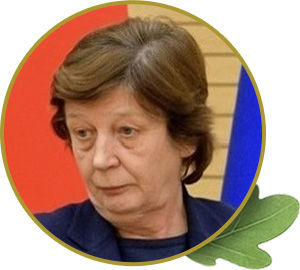
Larisa Brycheva has headed the president’s legal department for many years. Colleagues describe Brycheva as a reserved, unsociable legal professional who is “always smoking” and “can draft any law perfectly and quickly.” But few remember that Brycheva grew up in the family of Stalinist prosecutor Ivan Skorokhodov, who at the height of his career served as deputy minister of justice of the USSR
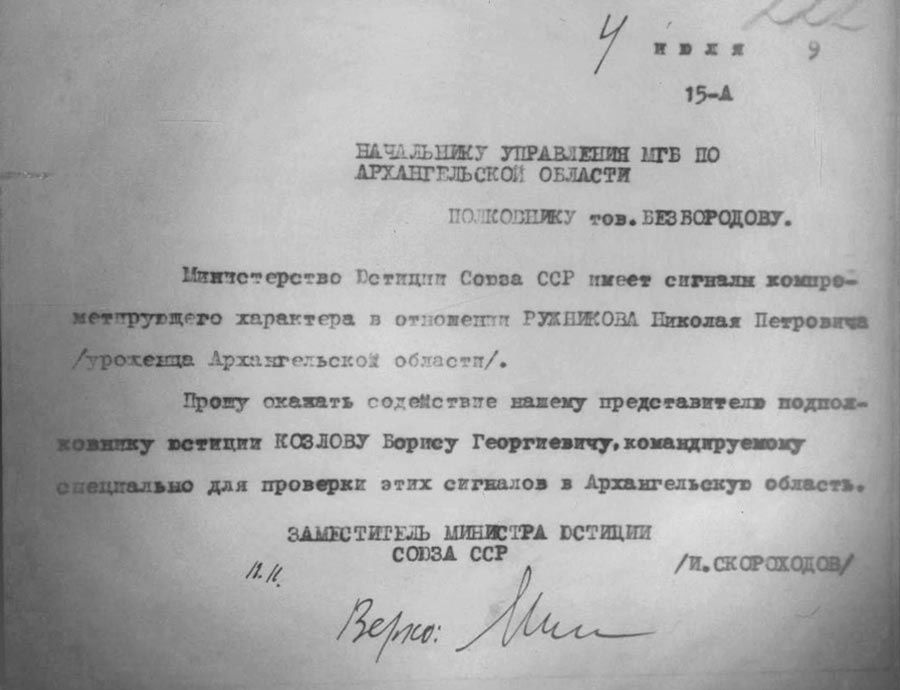
Proekt has examined unique, previously classified documents about Skorokhodov’s activities at the Ministry of Justice, from which it clearly follows that Brycheva’s grandfather was a direct and immediate participant in the repressions. As a deputy minister, Skorokhodov was responsible for personnel matters and regularly reported to his superiors on the dismissal and vetting of judges by the security agencies—for committing a “gross political error in the case of a traitor to the Motherland,” for “gross political errors made in speeches among Red Army soldiers and at a party meeting,” for “casual relationships with unknown women, in communication with whom he allowed talkativeness bordering on the disclosure of state secrets.” Skorokhodov punished other court employees for having repressed or unreliable relatives.
During the war, Brycheva’s grandfather served as prosecutor of the Kurgan Oblast. This means that he not only knew about the repressions, but also participated in them. During Stalin’s reign of terror, at least 8,817 people were executed in the Kurgan Oblast
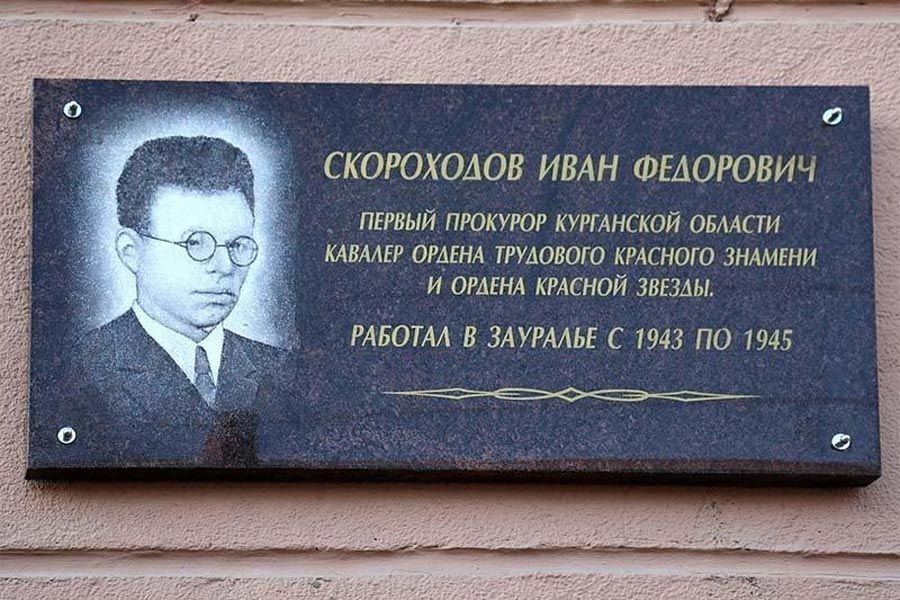
As Deputy Minister of Justice, Skorokhodov signed documents on the status of the Gulag
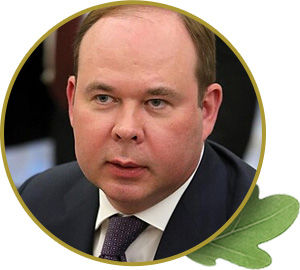
At the same time as Skorokhodov, the grandfather of the head of the Presidential Administration, Anton Vaino, was also making a career in Stalin’s nomenclature. Karl Vaino worked in the Tallinn Oblast Committee of the Communist Party of the Soviet Union during the reign of the “leader of the peoples” and reached the peak of his career under Leonid Brezhnev. In 1978, Vaino’s grandfather was appointed head of Soviet Estonia. He held this position almost until the collapse of the communist regime in the Baltic states. Among other things, he fought against the Estonian national liberation movement. The Estonians did not like Moscow’s protégé – they even attempted to assassinate him once. After his resignation and departure from Tallinn, Vaino lived in Moscow for more than thirty years (he died in 2022 at the age of 99). Now Anton is following in his grandfather’s footsteps by fighting the opposition in Russia.
Overall, as our research has shown, no fewer than nine children and grandchildren of people who persecuted their fellow citizens under the Soviets work in the Kremlin. There were those who punished “enemies of the people” under Stalin (the ancestors of Seryshev and others) or Brezhnev (Vaino and others), and those who crushed the opposition during perestroika. An example of the latter is Veniamin Yarin, a metalworker from Nizhny Tagil, who in the 1980s, on the orders of the party, fought against environmental and trade union protests in the Urals. For this, Yarin was made a member of the Supreme Soviet of the USSR, and his son, Andrei Yarin, became head of the internal policy department of the Presidential Administration under Putin. The Kremlin once tried to replicate the Yarin family’s story in new circumstances: in Nizhny Tagil, they organized a pro-Putin group led by Igor Kholmanskikh, a former engineer at Uralvagonzavod who at one point became the presidential envoy to the Urals Federal District. In December 2011, Kholmanskikh appeared on state television, where he promised to deal with the anti-Putin protests “together with the guys”. In the end, Kholmanskikh did not deal with anything and did not las tlong as presidential envoy, because he was distinguished more by his loyalty than his intelligence. In the end, Andrei Yarin achieved real career success with his daughter Anna. After working for some time at VK, in 2025 she became the head of the Ministry of Culture’s department responsible for allocating state funds to the film industry.
Working side by side with Vaino for many years is Deputy Head of the Presidential Administration Dmitry Peskov. He is the president’s press secretary, which makes him the only Kremlin “technocrat” who is always in the public eye. Peskov gives briefings, short comments, and long interviews, and has been the subject of numerous newspaper articles, but despite all this, he has managed to keep his ancestry from the very elite of Soviet society a secret for many years. Peskov’s family tree includes members of the Communist Party and the KGB, and his ancestors were honored by Lenin, Stalin, and Brezhnev.
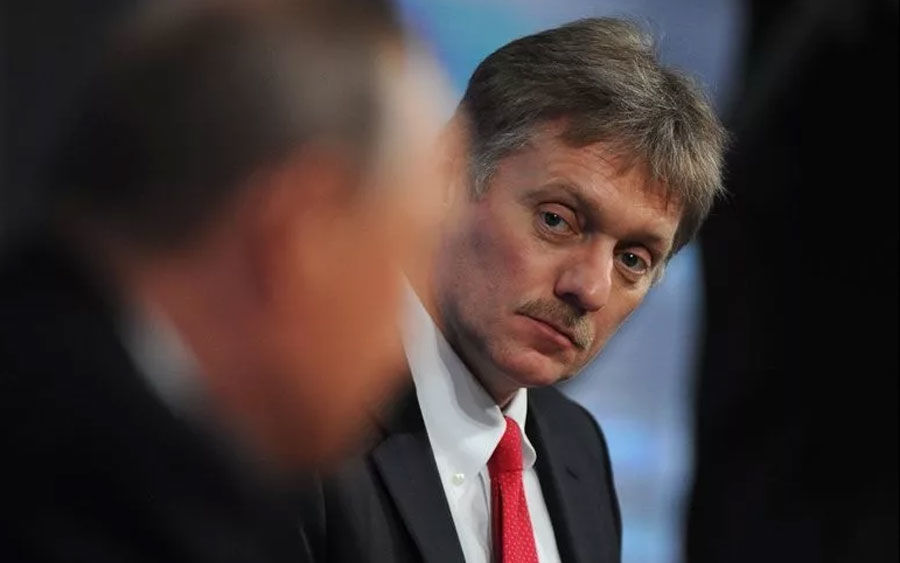
“Born on October 17, 1967, in Moscow to a family of Sergei Peskov (1948-2014), Soviet and Russian diplomat, Ambassador of the Russian Federation to Pakistan and Oman.” These words are from the official biography of Putin’s press secretary on the website of the state news agency TASS. They suggest that Peskov was born by his father, a distinguished diplomat. But neither is true. The press secretary’s father was appointed ambassador only when his son became a big boss under Putin (in 2004), and when Dmitry was a child, Sergei Peskov was most likely working in intelligence.
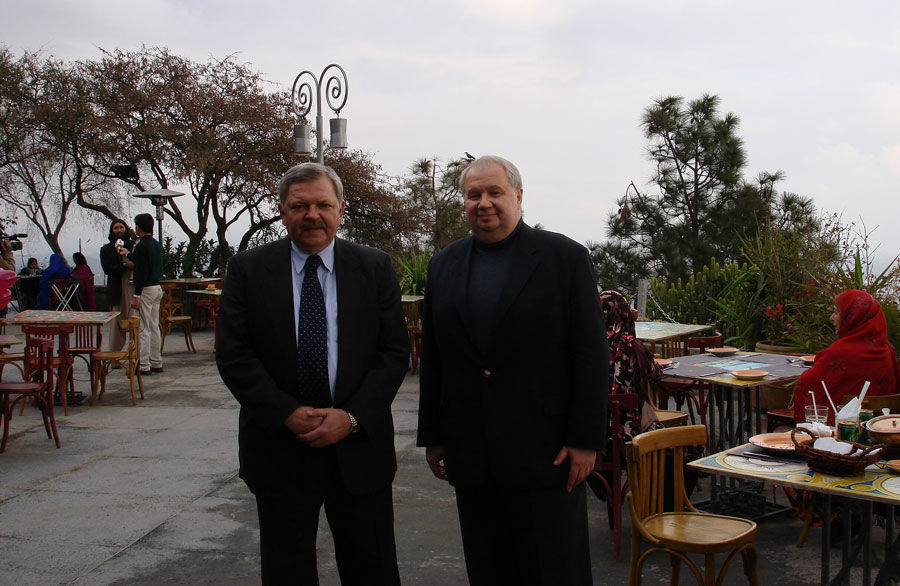
A native of Mukachevo, Ukraine, Sergei graduated from the Institute of Asian and African Studies and worked for many years in the Middle East under the umbrella of “friendship societies” and “committees of solidarity with the countries of people’s democracy.” This was a standard cover for Soviet intelligence officers during the Cold War, and Sergei Peskov’s former classmate refers to him as a special forces operative. The press secretary’s mother, Nadezhda Peskova (née Zevina), traveled with little Dmitry and her husband on business trips to the Middle East.
When the family returned to Moscow, they settled in a privileged fireproof brick house in Presnya—such high-rise buildings were commonly referred to as “Central Committee houses” The Peskovs lived among KGB generals and high-ranking foreign trade officials (in the USSR, these were usually the same people). How did the family of a graduate of the Institute of Asian and African Countries, who had come from the countryside, end up in such a place? It was all thanks to Nadezhda Zevina.
For one thing, she was probably also a member of the special services. In any case, government databases indicate that Zevina never worked anywhere in her entire life. This usually happens when a person was in the security services and received a pension from the military fund.
Secondly, and more importantly, Nadezhda Zevina is of “red blue blood.” Her grandfather (Peskov’s great-grandfather) Yakov Zevin, a Jew from Belarus, was a member of the so-called “Baku Commune.” The 26 Baku commissars who seized power in the Caucasus were shot by the enemies of the Reds in 1918. Since then, almost every Soviet city has had something — a factory, a street, or a school — named after the fallen Baku Bolsheviks (including Peskov’s great-grandfather). But the press secretary’s great-grandmother escaped the massacre — she evacuated from Baku with her young son, Dmitry Peskov’s grandfather. Her name was Nadezhda Drobinskaya, and she was an even more prominent figure in the Bolshevik Party than Peskov’s great-grandfather. Drobinskaya came from an intellectual family and joined the leftist movement in the early 20th century. She took the popular surname Kolesnikova and soon married fellow revolutionary Yakov Zevin. They named their son Vladimir, probably after Lenin.
Working in Moscow, Nadezhda Zevina became close to the family of the founder of the Soviet state. Lenin personally ordered to provide the commissar’s widow with living space in the capital. When the leader of the revolution died, Peskov’s great-grandmother worked side by side with Nadezhda Krupskaya at the People’s Commissariat for Education for many years and was her friend.
Peskov and Putin’s ancestors could well have met at that time. The president’s grandfather, Spiridon, worked as a cook in the Moscow dachas of Soviet leaders from the 1920s onwards, including cooking for Lenin’s family. Under Stalin, Nadezhda Zevina was a delegate to the All-Union Congresses of the Communist Party, where, among other things, she was involved in “purging” the party ranks, as the repressions were then called. In her later years, Zevina wrote her memoirs about Lenin’s family while working at his museum in Moscow. Her son, Dmitry Peskov’s grandfather, also became a prominent figure in the CPSU, serving, among other things, as deputy director of the Institute of Marxism-Leninism. When Vladimir’s daughter was born, she was named Nadezhda – either after her grandmother (who was not that old at the time) or after Krupskaya (who had already passed away by then). In general, all of Peskov’s relatives on his mother’s side are named after the Ulyanovs. It may be a coincidence that Putin’s press secretary has the same name as Dmitry Ulyanov, Lenin’s younger brother, whom Peskov’s grandfather and great-grandmother knew. After the revolution, the most “non-Soviet” of the Lenins lived with his relatives in the Kremlin and in dachas near Moscow (as is well known, Dmitry was an officer in the tsarist army, and later probably had an affair with Fanny Kaplan, one of whose shots made Vladimir Lenin’s life noticeably shorter).
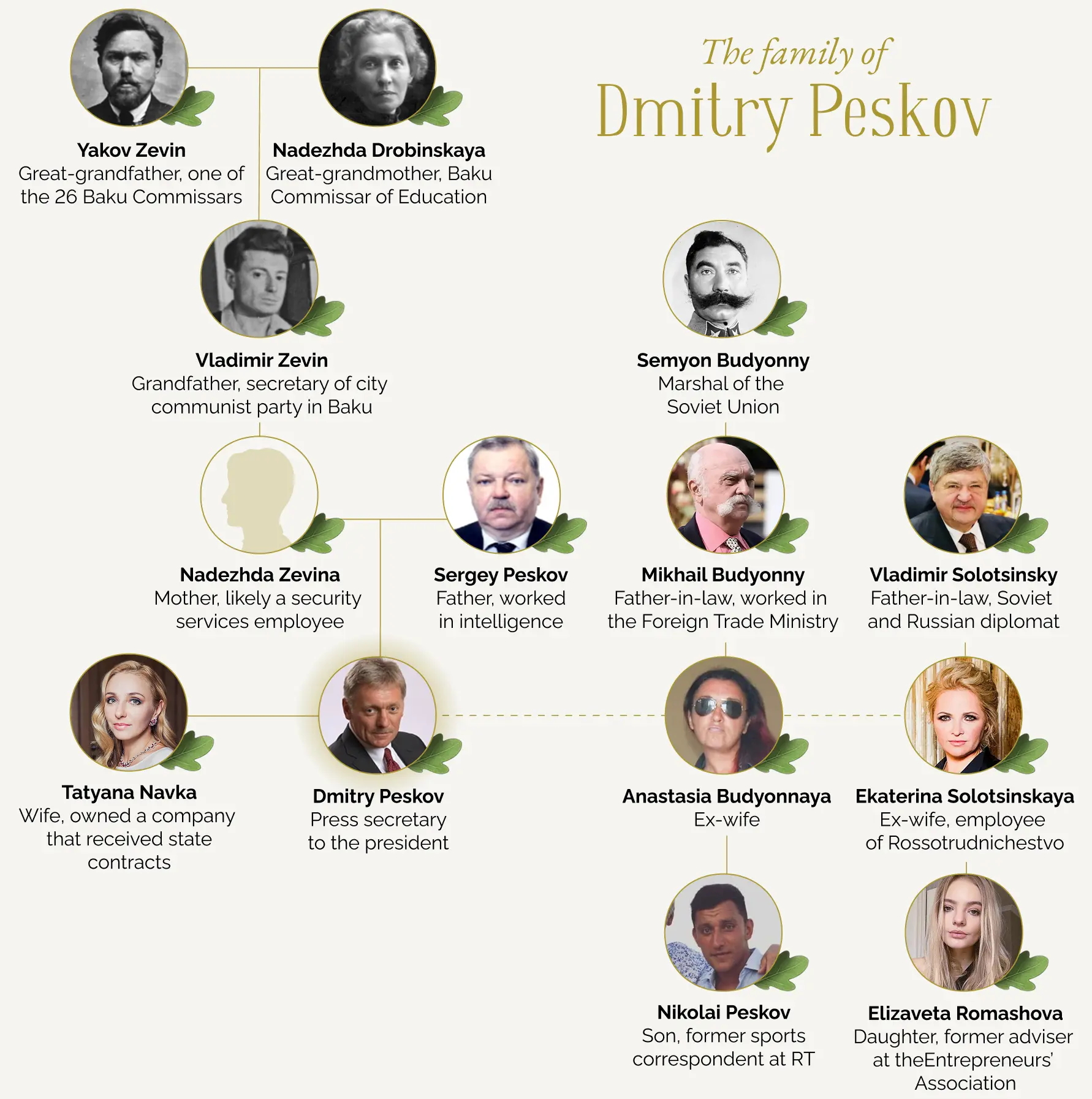
Not only did Peskov come from the Soviet elite, he also decided to further improve his career prospects through two advantageous marriages. His first wife was Anastasia, the granddaughter of Stalin’s marshal Semyon Budyonny. Budyonny was personally responsible for the repressions, but he got away with it. Budyonny lived for almost 20 more years after Stalin’s cult of personality was debunked, getting state awards and material benefits that ordinary people couldn’t get. Peskov married Budyonny’s daughter really early — he was barely over 20. It was a calculated move: the young IAAC graduate wanted to go abroad immediately after his fifth year, and according to Soviet diplomatic tradition, preference in such matters was given to married people (partly because married people were considered more difficult to compromise through adultery). But adultery did happen in Ankara. Budennaya began dating a British citizen working in Turkey. At the same time, Peskov himself began to show interest in the 14-year-old daughter of Russian diplomat Vladimir Solotsinsky, who was studying at the embassy school.
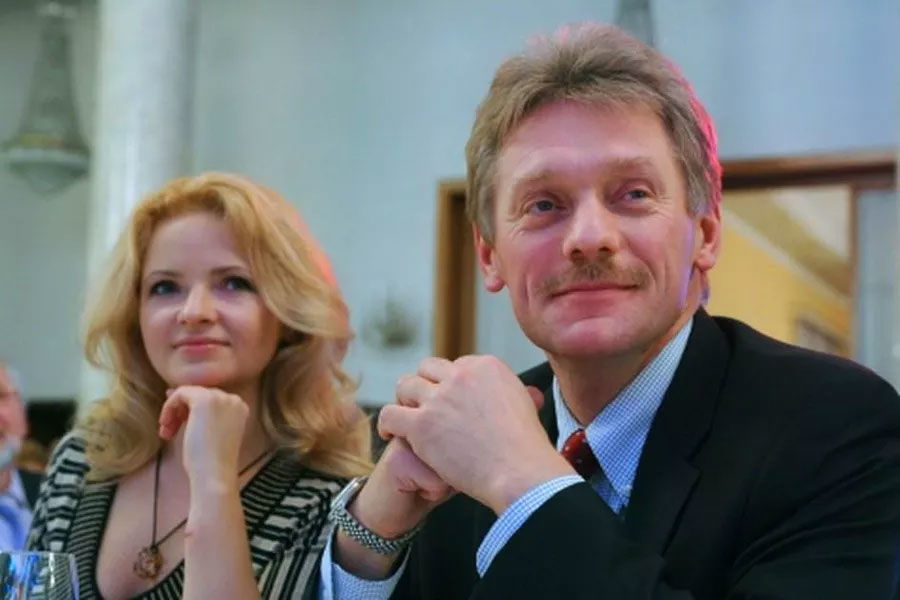
In the end, everyone found happiness: Anastasia emigrated to Britain with her new lover, taking Peskov’s young son with her, and the future press secretary married Ekaterina Solotsinskaya (who was barely 18 at the time) upon returning to Moscow from his business trip to Turkey. The new marriage proved beneficial for our hero once again — as a leading expert on Turkey, Solotsinskaya recommended Peskov as an interpreter for Boris Yeltsin during the Russian president’s only and very difficult visit to that country in 1999.
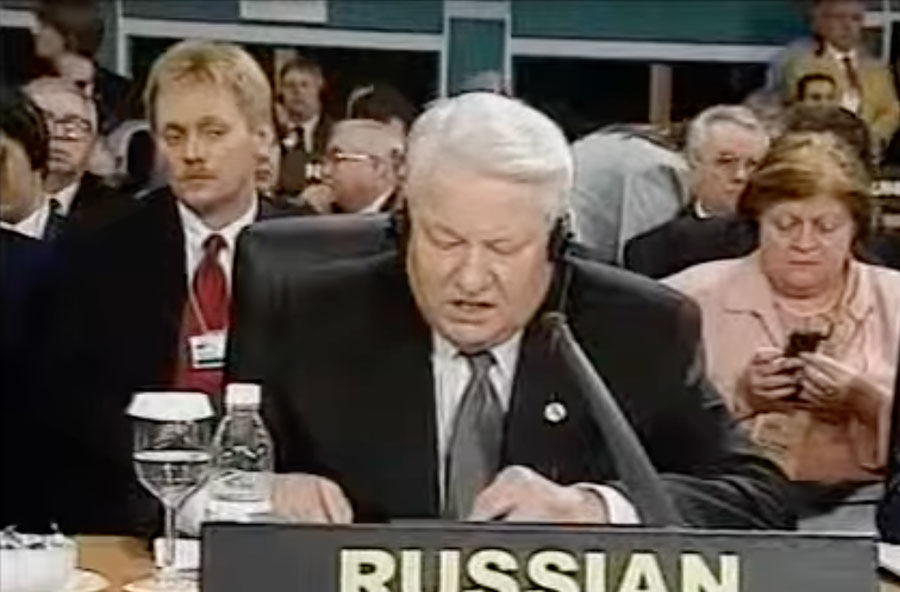
After that, Peskov was noticed and invited to work in the Kremlin. There, he initially became the deputy to presidential press secretary Alexei Gromov.
Unsurprisingly, Gromov also comes from the Soviet nomenclature. His dad worked at the USSR Ministry of Electronic Industry. Gromov also kept his biography private. So much so that, until a certain point, even Gromov’s real surname, Grobov, was unknown to the press. In 2018, the Proekt team found historical records about Gromov’s ancestors in Sergiev Posad (then Sergiev). During the New Economic Policy period, the grandfather of the Kremlin’s chief propagandist ran a puppet shop in this town, which got him into trouble with the law. The investigation concluded that Vladimir Grobov had been disseminating anti-Soviet propaganda among his customers. The puppeteer got off with a short prison sentence and eviction. His great-grandson not only renounced his family name (in Moscow State University documents, which Proekt discovered at the same time, the student of the Department of History of the Southern and Western Slavs at Moscow State University is already listed as Alexei Gromov), but also never opposed the authorities. Gromov began his diplomatic career back in Soviet times, working in Czechoslovakia under Leonid Brezhnev, Yuri Andropov, Konstantin Chernenko, and Mikhail Gorbachev. In the 1990s, when the USSR collapsed, as did Czechoslovakia, Gromov worked in Bratislava as a representative of the new democratic Russia.
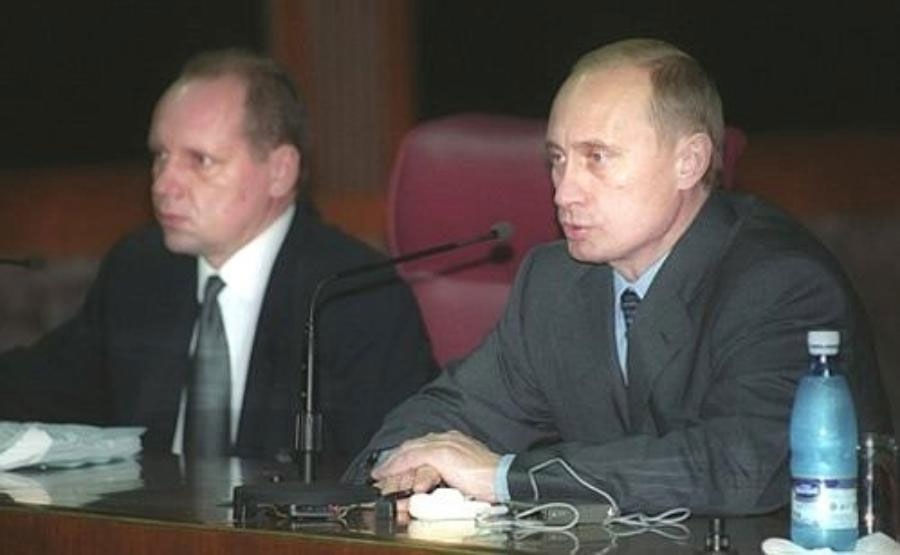
Both of Putin’s press secretaries (Peskov officially replaced Gromov in this position in 2012) were able to hide such significant parts of their biographies as their origins and real surnames from the country, so we can only expect the same from the less public members of the presidential team. Andrei Fursenko has been working as a presidential aide since 2012. He oversees education and science, areas he previously worked in as a minister. Andrei, like his younger brother Sergei, is known to be a long-time acquaintance of Putin. They met in the early 1990s, when Fursenko, a physicist by training, headed one of the first commercial legal entities in St. Petersburg, the Center for Advanced Technologies and Developments. As deputy mayor, Putin patronized this organization, which in the future would give a start in life to several nominees within the president’s circle.
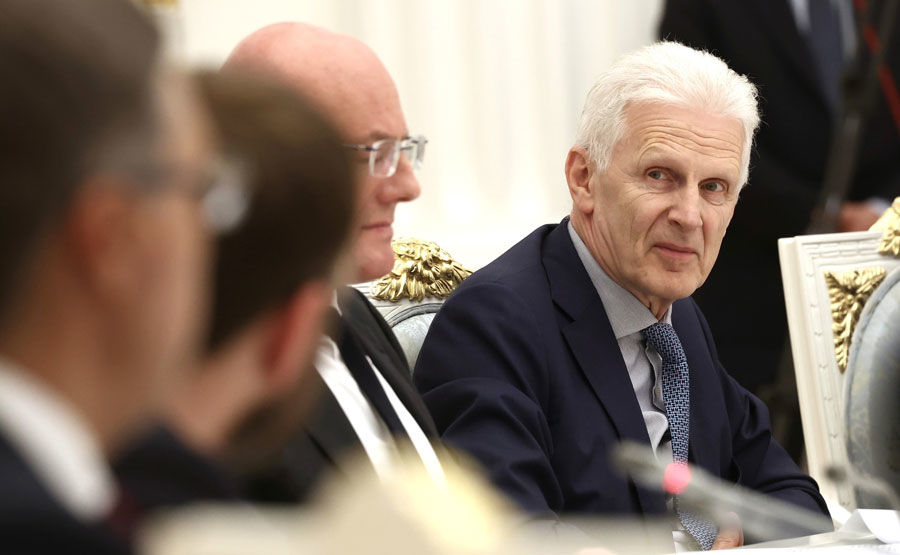
A lesser-known fact about Fursenko is that he comes from a privileged family. The official’s father, Alexander Fursenko, is a prominent Soviet historian specializing in the US. Colleagues remember Fursenko Sr. as a bon vivant, a universal favorite, a man who even looked “un-Soviet” (they explain this by the fact that Fursenko was able to travel abroad, which was allowed to very few people at the time). However, in his work, Fursenko did not allow himself any ideological frivolities. At the Leningrad branch of the USSR Academy of Sciences, Fursenko Sr. worked alongside a specialist in the history of the blockade, naval officer Valentin Kovalchuk. He is the father of Putin’s other old friends and advisors, Yuri and Mikhail Kovalchuk.
Finally, even less well known is the fact that the Fursenko family’s paternal ancestors were imperial courtiers from the 18th century onwards. The most famous of these was Lev Perovsky, governor of St. Petersburg in the mid-19th century and Andrei Fursenko’s great-great-great-grandfather. This nobleman is best known for the fact that his daughter, Sofya Perovskaya, was part of a group of revolutionaries who assassinated Emperor Alexander II, for which she was executed while her father was still alive, by order of Alexander III. More than a century later, this emperor would become one of Putin’s historical idols.
In late 2021, Anatoly Seryshev left his post as the Kremlin’s chief personnel officer to become the presidential envoy to Siberia, where his Chekist ancestor came from. A new person, even more trusted by Putin, was appointed in his stead. This position is now held by the president’s former personal bodyguard, former KGB officer Dmitry Mironov. As far as we can tell, Mironov did not have any high-ranking ancestors who could provide him with protection (although his ancestors were military men, and one of his grandfathers even held the title of Hero of the Soviet Union). Mironov achieved everything through blind loyalty to the head of state. In 2010, he was one of the bodyguards accompanying Putin on his trip in a canary-yellow Lada along the highway between Khabarovsk and Chita.
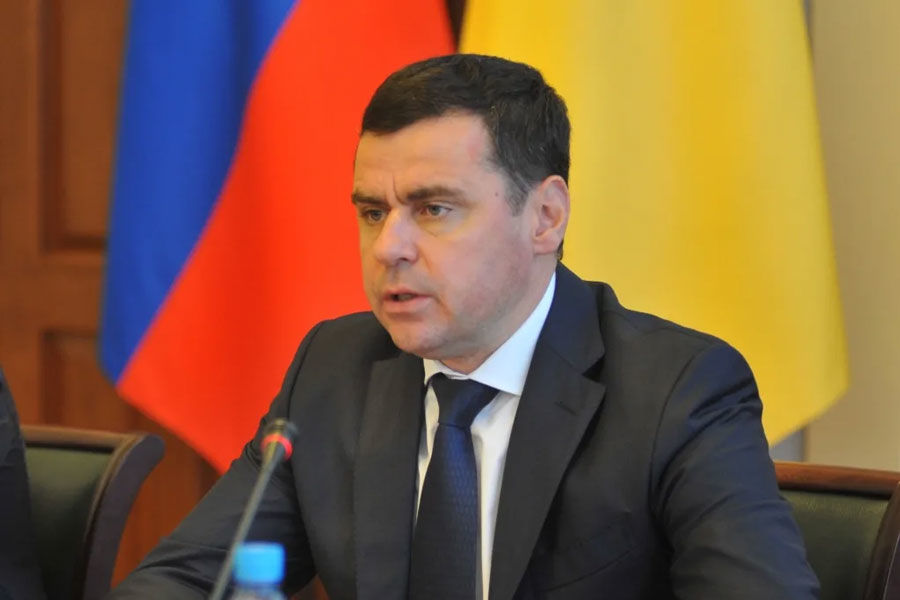
In 2016, Putin appointed Mironov as governor of the Yaroslavl Oblast. He became one of the presidential bodyguards who were given important government posts at that time. Mironov did not have the skills of a public politician — he couldn’t even smile for a formal photo shoot, and once he initiated an official investigation, assuming that the satirical image of the governor from the popular TV series House Arrest was based on him. However, not everything in Mironov’s career is so funny. Yaroslavl journalists noticed that the governor who had arrived in their region was suspiciously hiding his wife from the public. Her name is Tatyana Lyay, and she was a model in the recent past. But the reason Mironov hides her from the public is most likely not the large age difference (he is 24 years older than his wife).
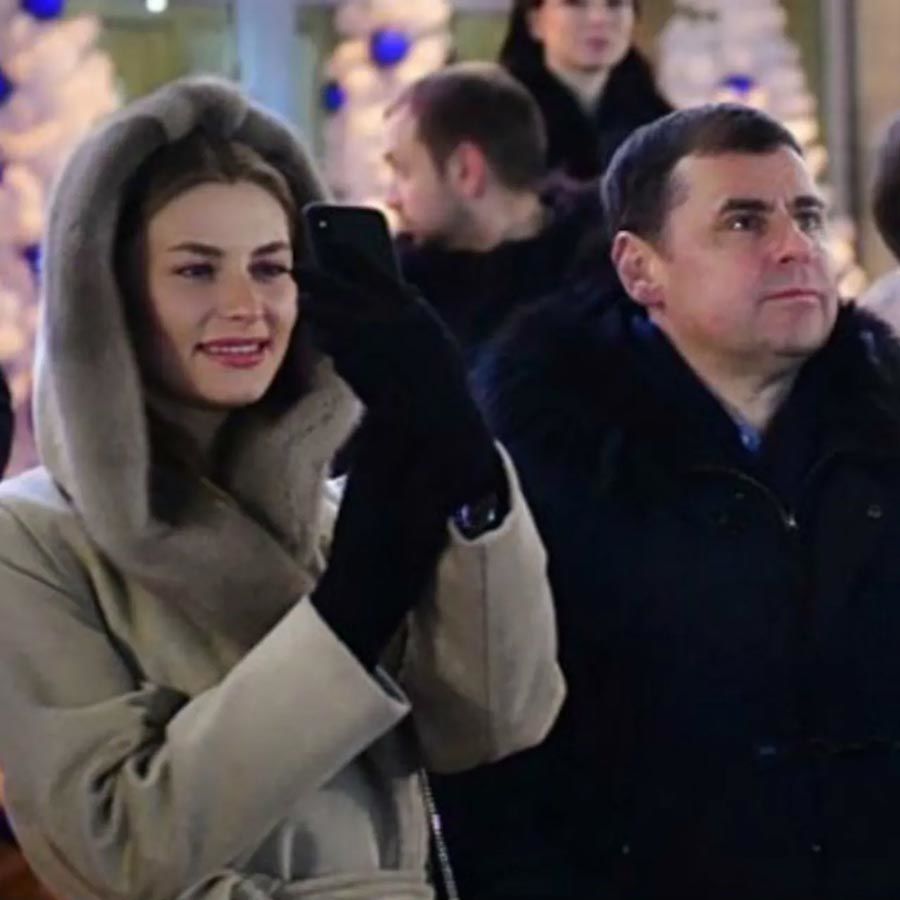
The thing is that Tatiana owns some very expensive real estate in the Moscow Oblast, which the current Kremlin personnel officer, who has never worked a day in business, could never have earned through honest labor. Tatiana also receives a salary from one of Gazprom’s subsidiaries. The financial success of other members of Mironov’s family is also linked to the state gas monopoly. For example, as soon as Dmitry became governor, his brother Yevgeny began to prosper in business, becoming a contractor for Gazprom and Russian Railways. But the most egregious example of conflict of interest is that Mironov’s 80-year-old father (who served in the military his entire life) also became a businessman in his old age. He went into real estate development in partnership with his son’s friends and colleagues. Mironov also arranged for his elderly father to become an advisor to the army’s central sports club. This is a new – reverse – practice of inheritance that has emerged in the Kremlin in recent years. Another of Putin’s aides, Vladimir Medinsky, one of the Kremlin’s ideologues, arranged for his elderly parent, also a retired military officer, to become his own advisor in the Russian Military Historical Society (a state-public organization funded from the budget).
If Putin can appoint his relatives and close associates to top management positions, why can’t the president’s subordinates do the same? The principle of kinship has been operating in the Kremlin in recent years in the most bizarre ways. The Russian president has an aide named Ruslan Edelgeriev, who is half Chechen and half Russian. If you visit the presidential website, you will find that Edelgeriev’s official page does not even include a biography, even though he has been working in the Kremlin for seven years.
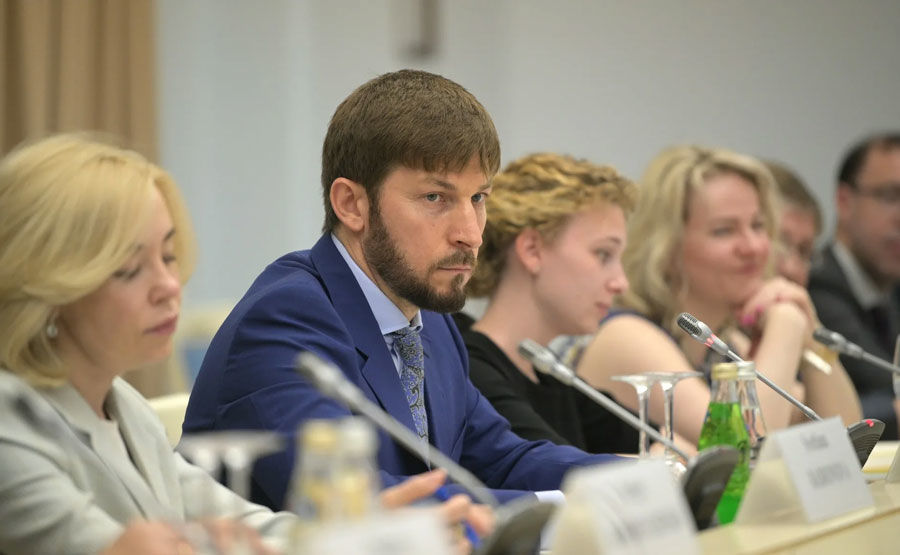
He was initially an advisor to the president on climate change, and in May 2024, he was promoted to an aide to the head of state. This means that Edelgeriev is now on par with Putin’s long-time associate Nikolai Patrushev and presidential guards Alexei Dyumin and Dmitry Mironov. Who is this man, and why does the Kremlin not publish his biography? The truth is that Edelgeriev has none. His only real job was as a local police officer in Kuban. He spent the 1990s and early 2000s in this region and did not participate in the Chechen wars, either on the side of the militants or among the Chechens loyal to Moscow. Edelgeriev’s only merit is that he is the son of Vera Deryabina, a teacher at School No. 1 in the Chechen village of Tsentaroy. All generations of the Kadyrov family studied Russian with her: Akhmat, Zelimkhan, Ramzan and his children.
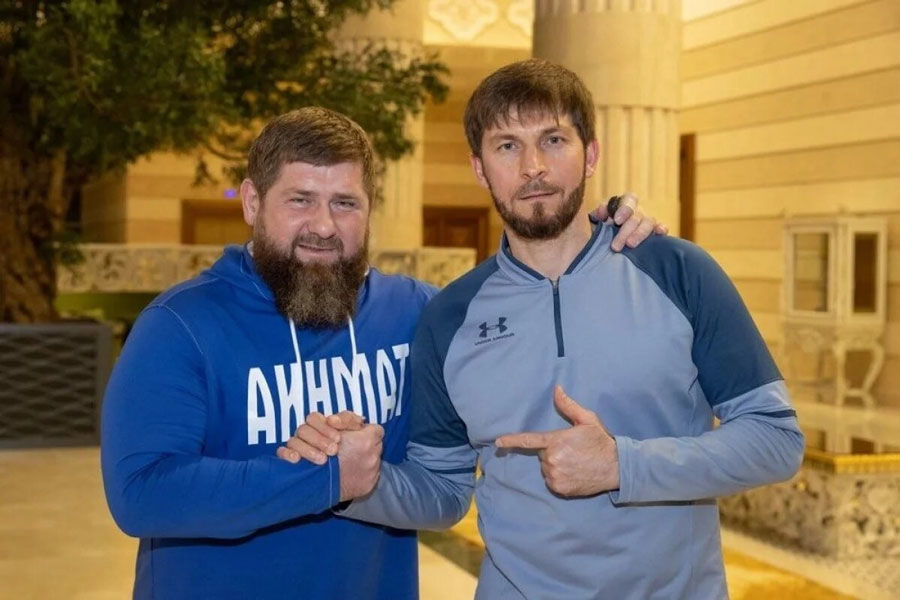
When Ramzan Kadyrov de-facto came to power in Chechnya in 2004, he brought his own teacher’s son to his side. The latter returned to the homeland of his ancestors and very soon joined Kadyrov’s government. “The idea was to show the fraternity between the Chechen and Russian peoples,” recalls a friend of Ramzan Kadyrov, referring to Edelgeriev’s career. After a rapid rise through the ranks in Chechnya, Edelgeriev was sent to the Kremlin for promotion. Of course, this was not because he had any knowledge of climate issues, but because Putin wanted to show his respect for Ramzan Kadyrov and do him a favor. The Chechen leader
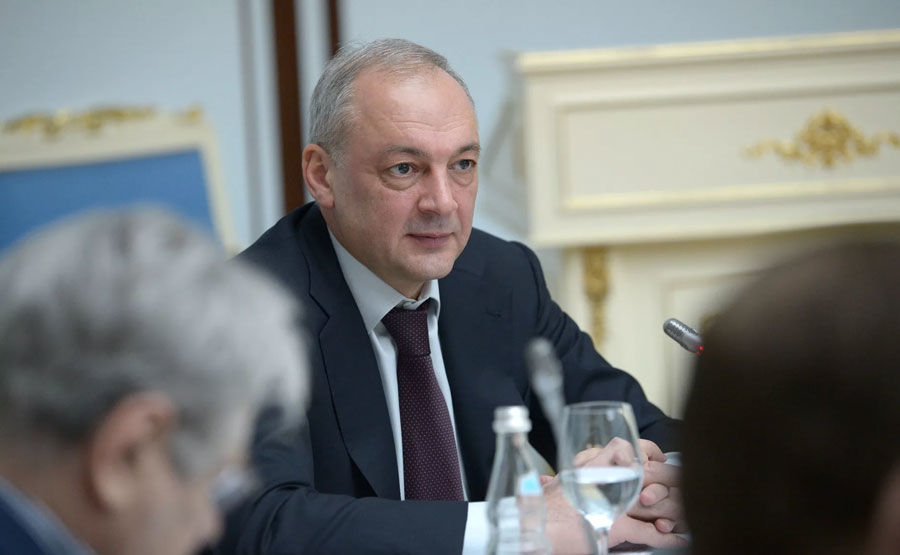
As a result, the president’s aide on climate issues is now Edelgeriev, a Chechen who knows nothing about meteorology, while the deputy head of the Presidential Administration for interethnic relations is Magomedsalam Magomedov, a Dagestani who lost his previous position due to corruption with an ethnic flavor. Magomedov was president of Dagestan for three years, until 2013. He represented the Dargin national minority of the republic. At that time, the Kremlin was trying to maintain ethnic balance in multi-ethnic Dagestan. Before and after Magomedov, the presidents were Avars, representatives of the largest ethnic group in the republic. In the end, Magomedov failed to cope with his presidential duties—he was suspected of embezzling money from the Pension Fund. But he faced no punishment, instead being transferred to Moscow.
Of course, Magomedov got a job in the capital not only because the Kremlin wanted to maintain a national balance in personnel matters. The reason was also that Magomedsalam Magomedov is the son of the long-time leader of the Dagestan Autonomous Soviet Socialist Republic, and later of the same republic within Russia, who, as they say, loves his younger son very much for being the only one who followed in his father’s footsteps and entered high politics. In other words, Magomedsalam inherited a high position.
Magomedov, Mironov, Gromov, Vaino, and many other employees of the Presidential Administration, comprising no less than 68% of the composition of this institution that we studied, also secure positions in the state elite for their respective children and other relatives, thereby prolonging the ruling dynasties for new generations.