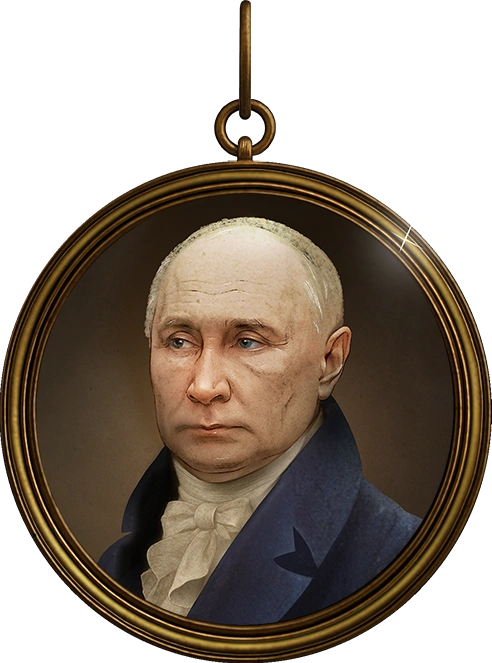



Scene One
The Rule of the Best
The story of how Vladimir Putin employed 26 of his relatives
Characters:
Vladimir Putin and his family, distant relatives and mistresses, Boris Yeltsin and his family, as well as Gennady Timchenko, Nikolai Shamalov, and other minor characters.
«The rule of the best» is the original meaning of the word «aristocracy» as it was understood in Ancient Greece. The Greeks believed that aristocracy was a successful form of government, provided that the best were selected from absolutely all citizens of the state. Over time, however, the term «aristocrats» became exclusive to the chosen ones, whose bestness was passed down by heritage or, less commonly, through belonging to a certain profession, such as military service.

As is well known, Vladimir Putin comes from a very modest family. He got his first break into a big career through sports. Thanks to the efforts of his coach, repeat offender Leonid Usvyatsev, the young Putin was admitted to the law faculty of Leningrad University under the so-called «sports quota» — that is, bypassing the main competition, but committing himself to defending the honor of the university in all kinds of competitions 
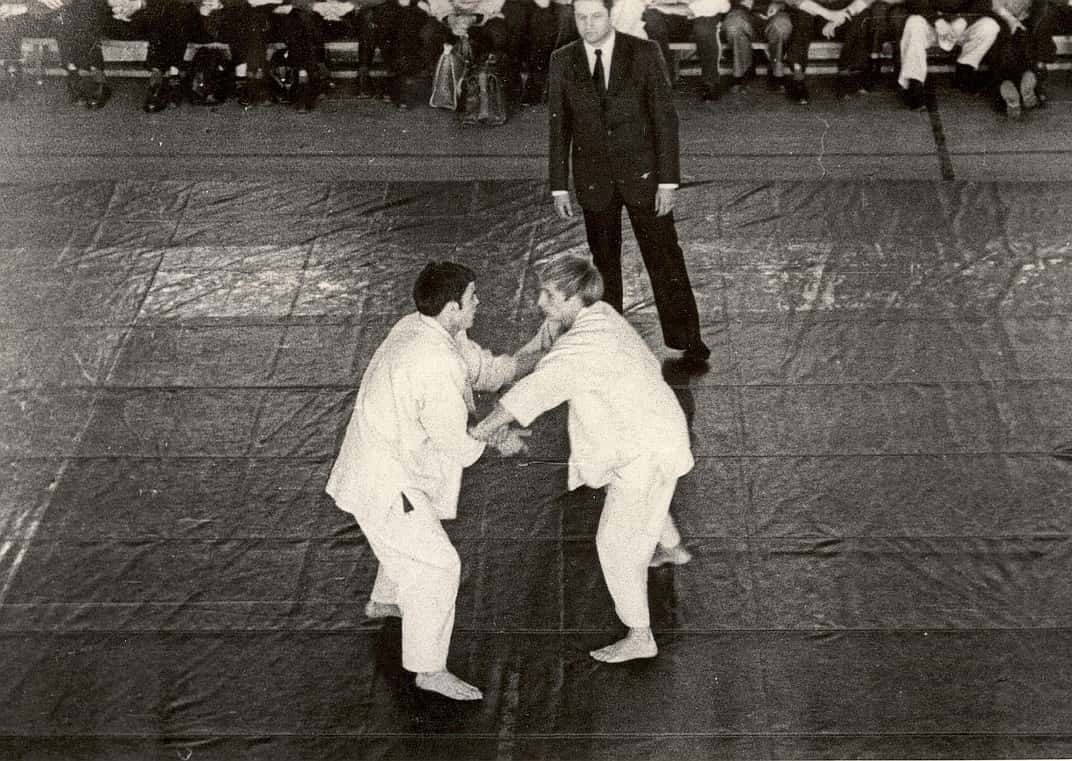
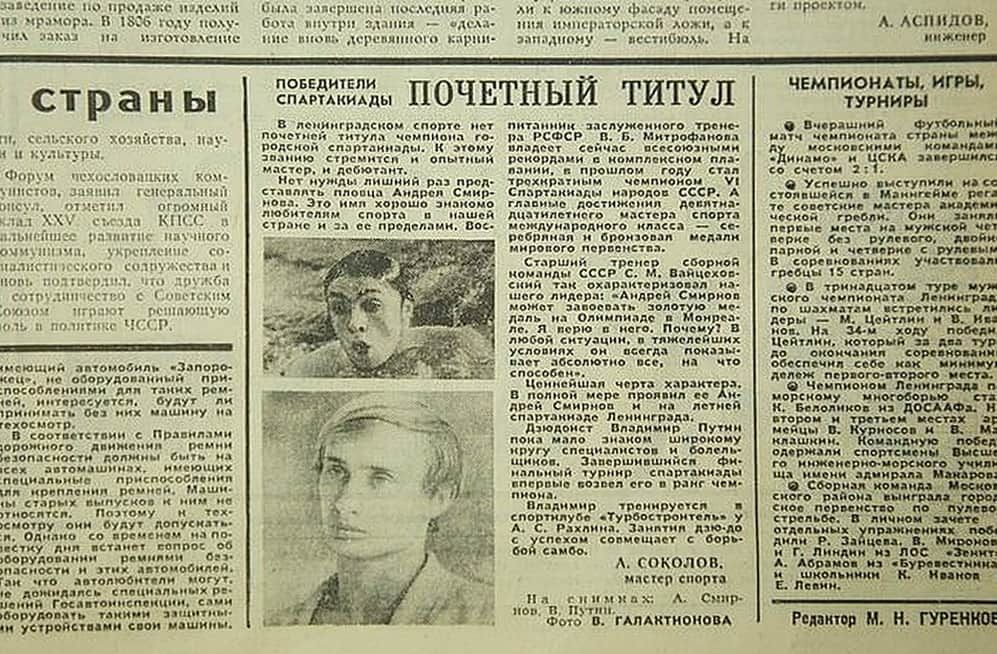
According to his peers, Putin really did spend a lot of time wrestling while at university, representing the Trud society and Leningrad State University at various tournaments. He even became a mentor to his classmate Vladimir Cheremushkin, who wanted to take up wrestling but died from a spinal fracture during one of the matches in 1973. It is believed that it was during his student years that Putin became a master of sports
Putin’s career received a second major boost when he joined the KGB. As an officer of this special service, Putin returned to Leningrad University for the second time in 1990, where he was hired as rector’s assistant for international affairs. KGB veterans are convinced that Putin was sent to the university by the «kontora» — at that time, every university had a special services officer who, among other things, kept an eye on foreign students Anatoly Sobchak.
Расследования — это дорого, но это того стоит
Оформив ежемесячное пожертвование «Проекту», вы поможете нам делать еще больше важных и громких расследований. Так вы поддержите всю расследовательскую журналистику в России!
Поддержать «Проект»
Sports and the KGB. However, the decisive boost to Putin’s career came from Russia’s first president, Boris Yeltsin, who appointed the former secret service officer first as prime minister and then as acting head of state. To be precise, though, it was not only Yeltsin and not even so much Yeltsin himself who gave Putin’s career a boost, but rather a group of people who the press at the time called the «family.» It included Yeltsin’s daughter Tatyana Dyachenko (who held positions in the presidential administration) and her boyfriend, later husband, Valentin Yumashev (who also served as head of Yeltsin’s administration). Among those considered part of the «family» were businessmen close to the throne (Boris Berezovsky, Roman Abramovich, and sometimes Alexander Mamut and Sergei Pugachev), as well as the last head of Yeltsin’s administration, Alexander Voloshin.
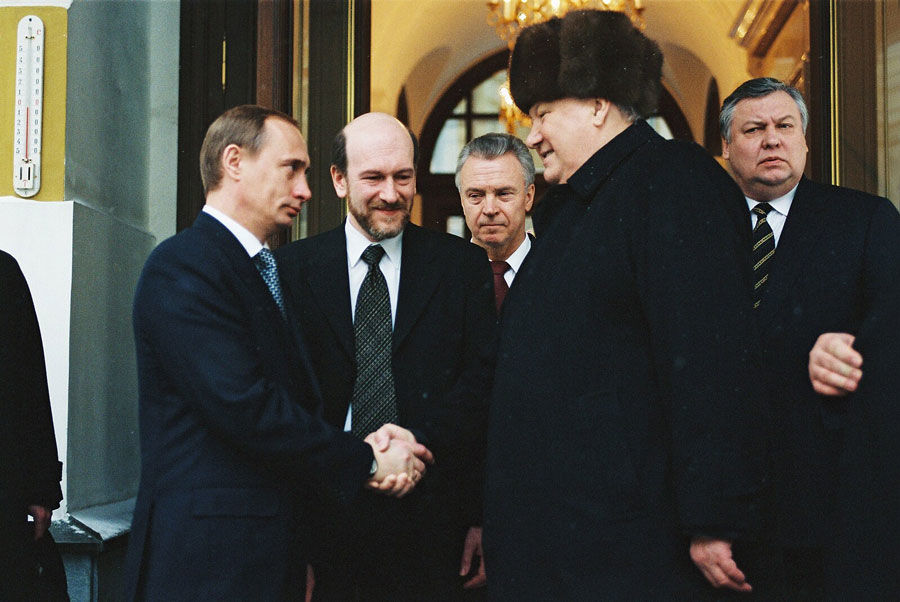
«Operation Putin» was conceived and implemented by the «family.» «Vladimir Putin would not have become president if Yumashev had not suggested betting on this unknown KGB officer, if Dyachenko had not persuaded her father to agree to an early transfer of power, and if Voloshin had not built up the pre-election administrative vertical,» wrote the magazine Kommersant. Vlast, owned by Berezovsky, in 2003, when the oligarch himself had already been expelled from both the «family» and the country. Much later, members of the «family» secretly lamented that they had provided Putin with power. «Eight years have passed. In 2000, we handed over a well-oiled machine to the boss. Everything was working. And what did we get?» Yumashev said in 2008 in a private conversation with banker Sergei Pugachev.
Подпишитесь на рассылку «Проекта»
So, Putin understood the importance of family — at least in the literal sense of the word—from the very first day of his rule. At first, it seemed that Putin himself did not particularly need the support of his relatives in power—given his age and health, he was quite capable of doing his job on his own.
But 25 years have passed, and now Proekt’s research reveals a paradoxical fact:
The number of Putin’s relatives and close associates in power or in large businesses connected with the state far exceeds that of Yeltsin’s family.
There were only three relatives in Yeltsin’s ruling «family» at different times and not always simultaneously: Dyachenko (advisor to the President and advisor to the head of the Presidential Administration), Yumashev (advisor to the President (twice) and head of the Presidential Administration), and another son-in-law of the president, Valery Okulov (husband of the president’s eldest daughter, Elena Yeltsina (first married to Sergei Fefilov)). Okulov was a civil aviation pilot who worked in Sverdlovsk, where Yeltsin was building his party career. According to personal accounts, the future president himself helped introduce his daughter, who was unhappy in her first marriage, to the young pilot (who was also married). In the 1990s, the former navigator became head of Aeroflot, the national airline, and later even became a member of the government.
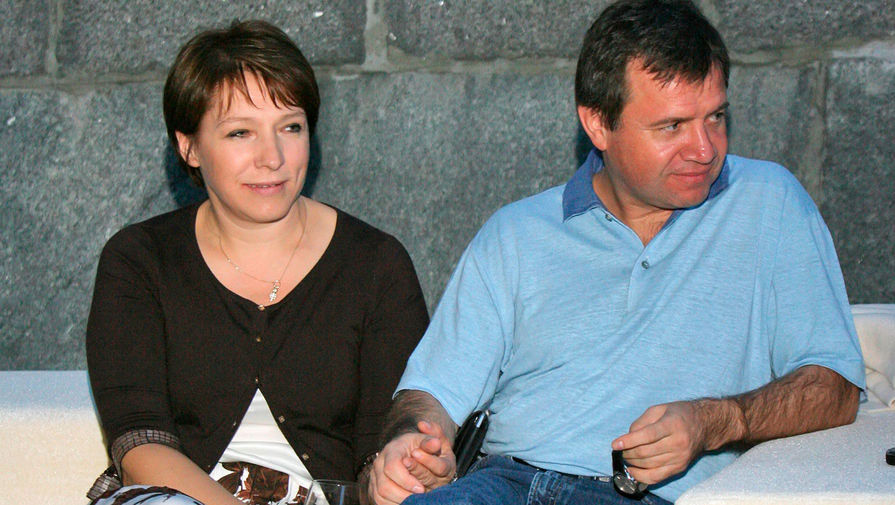
One could also include the president’s wife Naina Yeltsina, and another son-in-law, Alexei (Leonid) Dyachenko (until 2000, he was the husband of Tatyana Yeltsina, who herself had previously been married twice, to Vilen Khairullin and Andrei Zonov), in the «family,» but that would be quite a stretch.
Naina Yeltsina never held public office during her husband’s lifetime, but according to historical evidence, she had considerable influence over her husband, including political issues
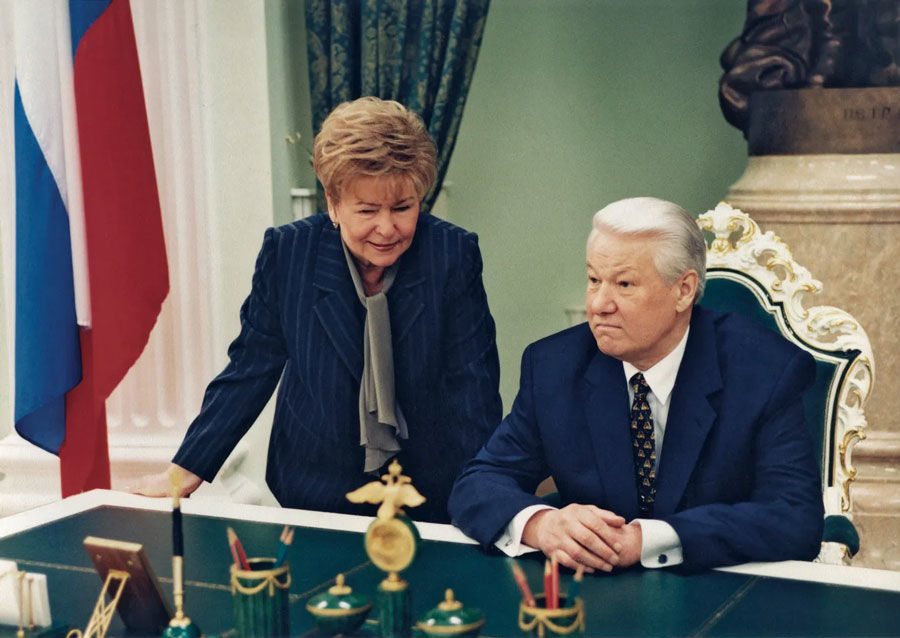
Dyachenko only worked for the state in his youth — like his father, he was a rocket engineer. Later, Dyachenko went into business (at one time working in the same company as Putin’s close friend Gennady Timchenko), but he remained involved in the life of the «family» — it was he who provided financial assistance for the publication of the book Notes of the President, written by Yumashev on behalf of Yeltsin.
An even bigger stretch would be to include Oleg Deripaska, a billionaire who owns major metallurgical assets, in the list of Yeltsin’s close associates who rose to prominence thanks to this connection. He was married to Yumashev’s daughter Polina, but the marriage took place in early 2001, when Yeltsin had already stepped down as president.
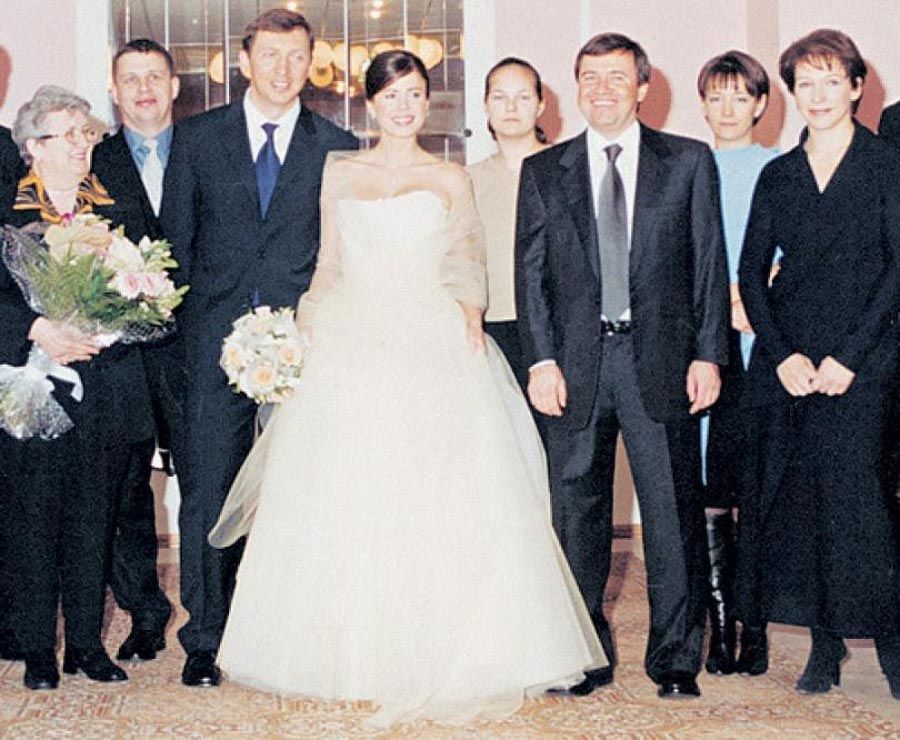
Deripaska achieved most of his business successes under Putin, thanks in part to his connections with the state. There are recollections that the Izmailovskaya gang, with which Deripaska was associated in the 1990s, sought to have their man related to someone at the top — either Boris Berezovsky’s daughter or Yeltsin’s heiress
Thus, even in its most expanded form, Yeltsin’s political «family» only included two blood relatives of the president and three in-laws. And what about Putin?
Lyudmila Putina certainly did not have the same degree of influence over her husband as Naina Yeltsina once had over hers. Even long before their divorce in 2013, Putin would often not even take his wife with him to formal events or on trips where it would have been more appropriate for the family to be seen together. At the end of his first presidential term, in January 2004, Putin appeared alone at a Christmas service in a church in Suzdal.
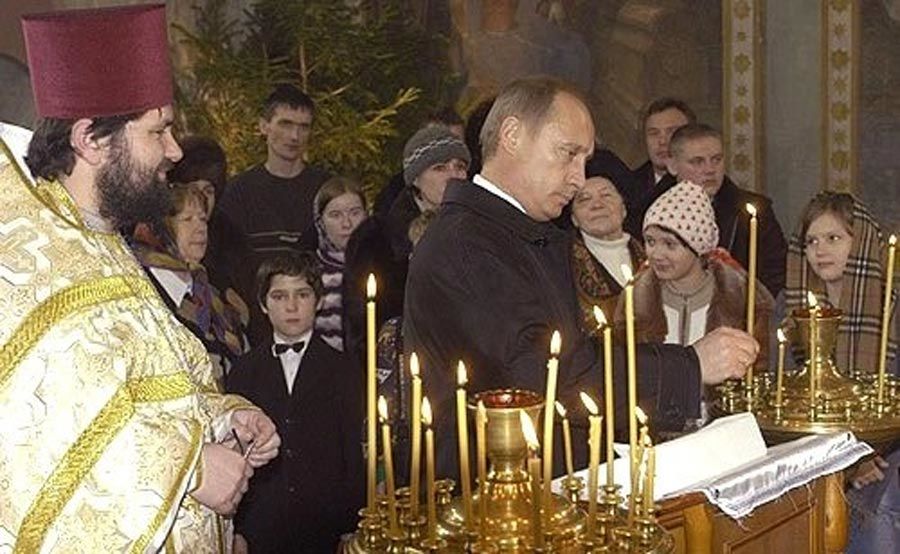
Parishioners asked the president where his wife was. It would indeed have been logical for the ruling family to be together at a major religious holiday, especially at the beginning of an election campaign. Putin gave a strange answer: he said that his wife had celebrated her birthday the day before and therefore could not attend. The Kremlin offered no clarification of the president’s words, leaving everyone free to speculate to the extent of their depravity: either the president’s wife had drunk too much on Christmas Eve, or she had celebrated her birthday somewhere away from her husband. But the truth was even worse: a few months before coming to the church, Putin had a child out of wedlock, a daughter named Elizaveta, born into his secret family with Svetlana Krivonogikh, a woman from St. Petersburg. His marriage to Lyudmila was apparently hanging by a thread. Shortly after the trip to Suzdal, something else happened in the Putin family that perfectly illustrates Lyudmila’s negligible influence on her husband.
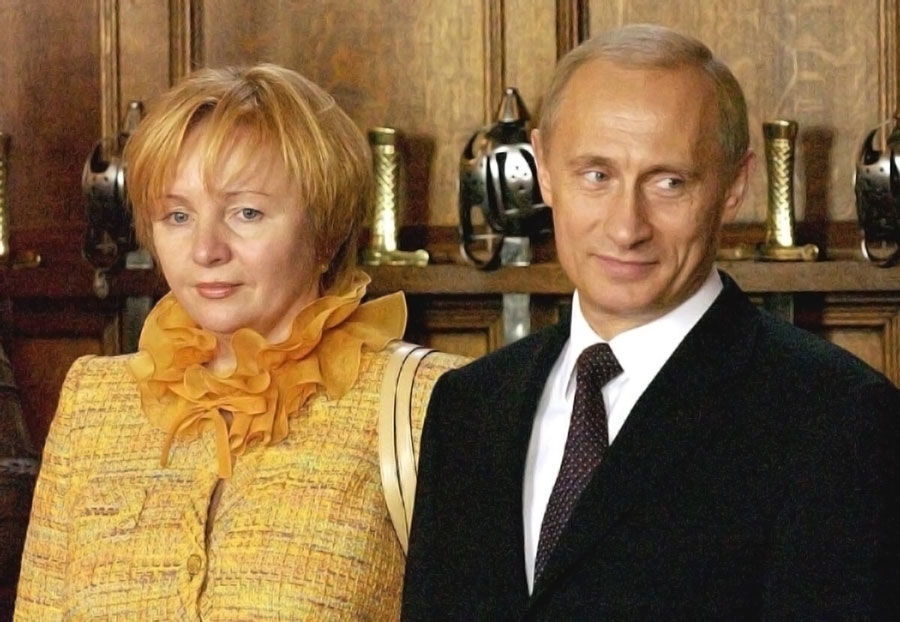
June 2004. Having just become president for the second time, Putin (this time with his wife and a large delegation) went on a visit to Mexico. There, in addition to official events and meetings, a private meeting took place — the well-known documentary filmmaker Igor Shadkhan was invited to the Putins’ hotel room. He had known Putin since the early 1990s, when he took the first TV interview with the future president, then just a St. Petersburg official. Shadkhan subsequently met with Putin on several occasions and filmed him for his documentaries, but over the years, the director’s fascination with the politician gradually faded. In his new films, Shadkhan allowed himself to criticize the actions of the head of state. Shadkhan had been asking for an interview with Putin for a long time, and in Mexico, a convenient opportunity arose — the documentarist was there at the same time to shoot a film. While talking to Putin, Shadhan mentioned the dangers of autocracy, which was followed by an unexpected reaction… from the first lady. Lyudmila supported the director, telling her husband that he had made a mistake in running for a second presidential term. She was impulsive, and had a kind of hysterical outburst
Putin, of course, did not listen to his wife, and about ten years later, he officially divorced her — they had ceased to be a full-fledged family long before that. This, however, did not prevent Putin from providing his abandoned wife and her new partner, Artur Ocheretny, with expensive property at the expense of the state (Lyudmila’s new family now lives off this money).
Surprisingly, Putin’s unofficial partners have been involved in ruling Russia much more than his legal wife. Svetlana Krivonogikh, the president’s secret mistress, was the first of his close associates to receive a piece of the country. At the beginning of Putin’s reign, she became a shareholder in Rossiya Bank, which once held the money of the Communist Party of the Soviet Union and was later privatized by the president’s friends.
Krivonogikh also acquired stakes in several large companies together with oligarch Yuri Kovalchuk, Putin’s closest advisor and friend. Formally speaking, Krivonogikh owns almost 3% of Rossiya Bank, and through it she owns shares in the National Media Group and the major insurance company SOGAZ
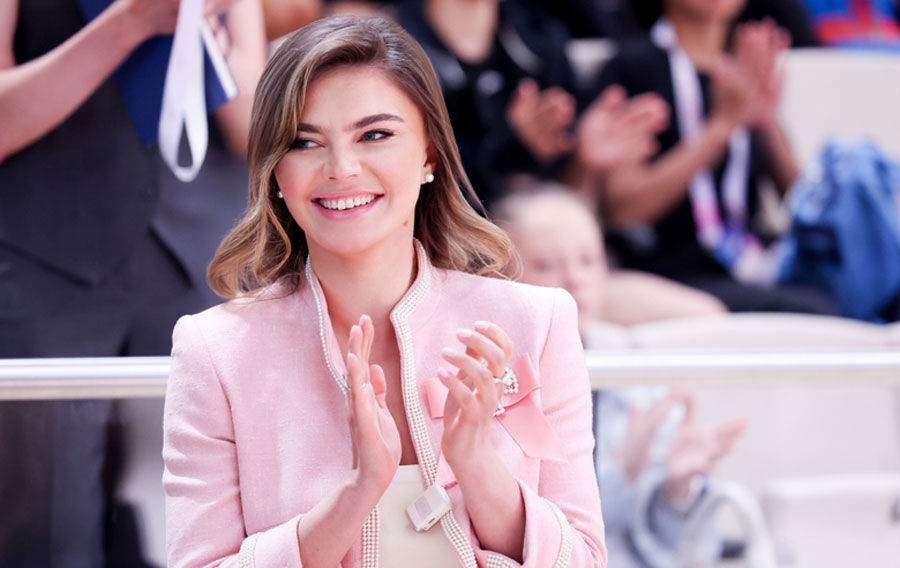
Putin’s next mistress (that we know of) is the famous gymnast Alina Kabaeva, who became a State Duma member in 2007 and, after her term ended, became head of the board of directors of the National Media Group (NMG), which controls nine Russian TV channels. The media outlets that are part of NMG are an important part of the state censorship and propaganda machine, which is why Kabaeva continues to play an active role in state administration even after leaving her seat in parliament.
By the way, these are not all of Putin’s women who have been given power or state-related businesses. The most bizarre case of this kind will be described in the fifth scene of our special project, but for now, let’s move on to the president’s blood relatives.
Mikhail Shelomov, Vladimir Putin’s cousin on his mother’s side, was once a poor relative who eked out a living doing odd jobs in a photo studio. At the beginning of Putin’s era, Shelomov was employed by the state-owned company Sovcomflot, where he photographed ships for brochures. But working for a state-owned company was not what his uncle had in mind for his nephew.
In the middle of Putin’s first term, Shelomov was given a stake in Accept, which in turn has stakes in SOGAZ (the country’s largest insurance company), the Igora Drive racetrack at the resort of the same name in the Leningrad region, and Rossiya Bank, and owns 100% of SOGAZ-Nedvizhimost (which owns properties worth more than two billion rubles). All these businesses, as in the case of Krivonogikh, are closely linked to the state. The president’s nephew is also the nominal owner of a four-story villa in the Kremlin’s Rus health resort in Sochi. At the same time, the «billionaire» himself until recently drove a six-year-old Volkswagen Touareg, lived on the outskirts of St. Petersburg, and spent his summers in a village house in the Tver hinterland, where he personally built an outdoor toilet out of planks.

Now let’s move on to the paternal line. Putin once let slip that he personally appointed Viktor Khmarin as head of RusHydro and even worried whether his new workplace in Krasnoyarsk (where the company’s headquarters are located) would be fine with his wife. This state-owned company is the largest energy structure in the country, but according to the rules, its head should be elected not by the president, but by the board of directors. However, Putin was concerned not for a breach of protocol, but for his relative. The president never made it public that Khmarin was his cousin once removed, who also reminded him of some awkward moments from his youth.
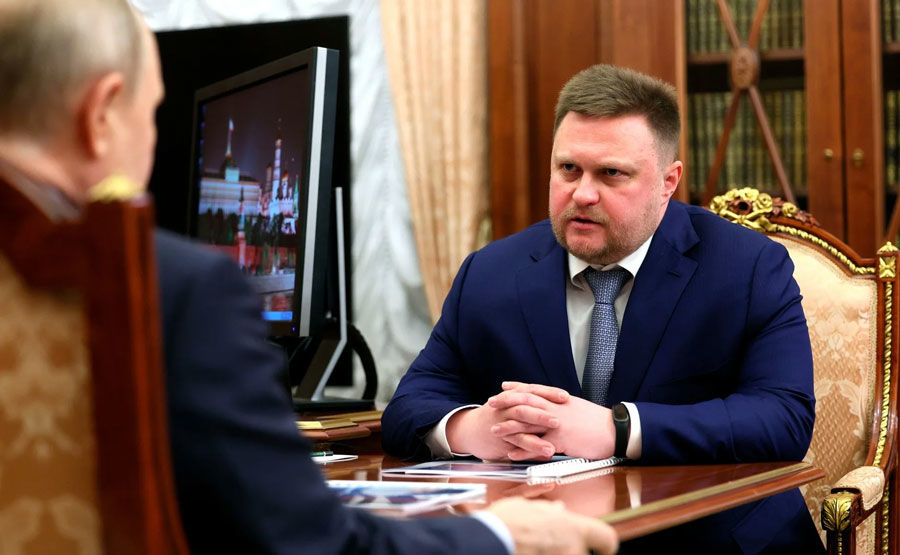
To begin with, Khmarin is not only Putin’s relative, but also the son of his classmate at the law faculty of Leningrad State University, Viktor Khmarin Sr., who was also a sambist. There is a version according to which, even before meeting his future wife Lyudmila Shkrebneva, Putin fell in love with another Lyudmila —Khmarin’s sister, who was studying to be a doctor. Journalists from Moskovsky Komsomolets claimed that the couple even filed an application with the registry office, but then the future president ran away from his bride. Even if this was true, the classmates still became related.
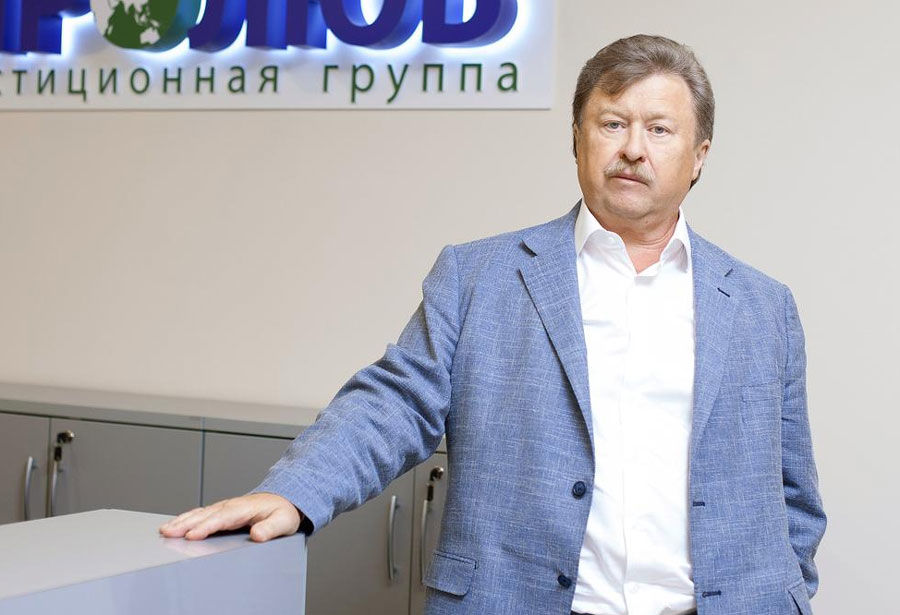
In 1976, Khmarin married the future president’s cousin, Lyubov Kruglova, the daughter of his paternal aunt, Lyudmila Spiridonovna. Two years later, the Khmarins had a son, whom Putin sent to head RusHydro in 2021. Khmarin Sr. (Putin’s brother-in-law) and his wife would profit from Gazprom contracts for many years, and they are not the only relatives of Putin associated with the gas monopoly.
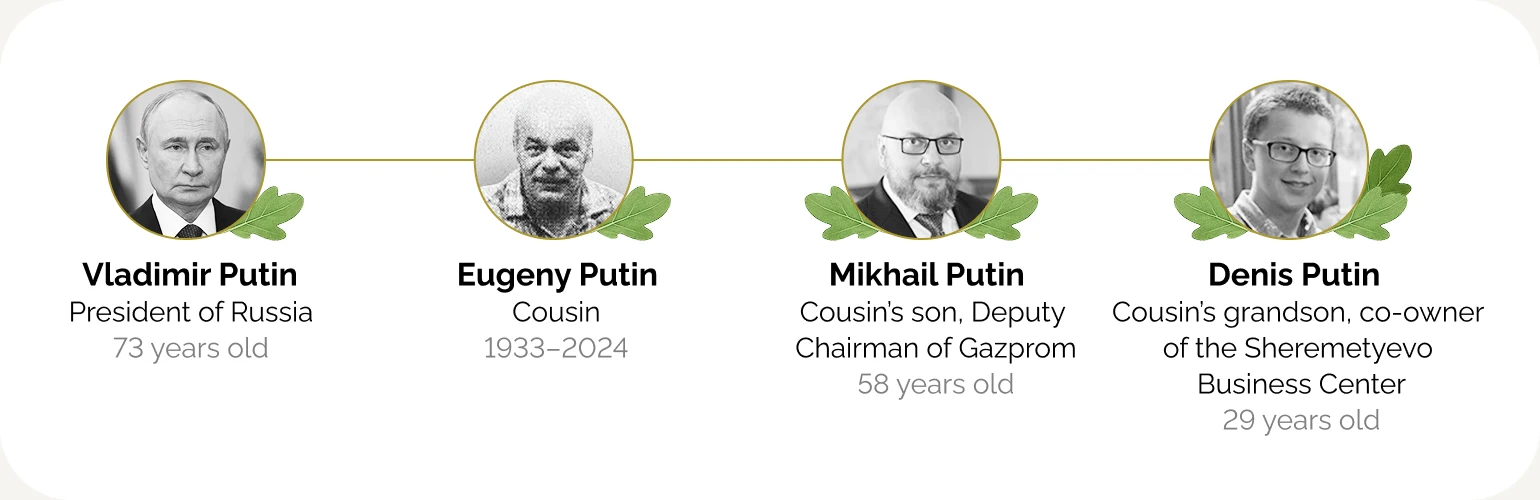
Another president’s relative is Mikhail Putin (grandson of Mikhail Spiridonovich Putin, brother of Putin’s father), a psychiatrist by training. His uncle began to help his career at the same time as Shelomov’s, but in a different field. In 2004, Mikhail became head of Gazprom’s medical department, then worked as deputy chairman of the board of Sogaz, and in 2018 was appointed deputy head of Gazprom. The management of the state gas monopoly convened an extraordinary remote meeting on this matter—the agenda of the meeting was «On M.E. Putin».
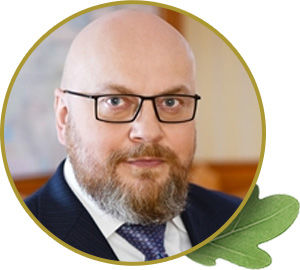
The Kremlin tried to prove that Mikhail had achieved everything on his own, because he «has virtually no contact» with his uncle Dmitry Peskov
×
. This was a lie: the president knew Mikhail’s family well and called his father Yevgeny, his cousin, «the keeper of the [Putins’] family memory»
Third generation
In general, Putin and his entourage quickly realized that relatives are needed not only for state administration, but also in business—as formal asset holders. The president’s «businessmen» include not only Shelomov. In May 2025, Mikhail Putin’s son, 28-year-old Denis, became a co-owner of the Sheremetyevo International Business Center, a modern multifunctional complex near the airport of the same name in Moscow (which, for example, houses an expensive hotel). It is notable that Putin’s partner in this venture is another heir, Andrei Gromov, the son of the long-time governor of the Moscow Oblast, Boris Gromov (despite the fact that Gromov left his post long ago, he will be mentioned more than once in our project, as he has business and family ties with many of today’s officials). Denis is already the third generation of Putins in the Russian elite.
The cronies are copying their idol in this regard as well. At the beginning of the Putin era, two of his close associates, former KGB officers, showed how cunningly they could handle business. In 2004, Olga, then the young daughter of Alexander Grigoriev, Putin’s colleague in the Leningrad KGB, was registered as a shareholder in Stroygazconsulting, Gazprom’s largest contractor at the time. The Grigoriev family had neither the money, nor the knowledge, nor the experience to own such a business, but they did have family ties and connections. A little later, Olga also became a shareholder in the large construction company LSR Group, which belongs to the stepson of Putin’s former colleague at Leningrad University.
Another colleague of Putin’s from the KGB, Georgy Poltavchenko (who served as presidential envoy and governor of St. Petersburg at various times), acquired a stake in SMP Bank, the first major business venture of brothers Arkady and Boris Rotenberg. The shares were registered in the name of the retired KGB officer’s sister-in-law, Irina Vasilyeva. Later, Poltavchenko’s son became a «partner» of the Rotenbergs in the construction business.
The phenomenon of high-status relatives among shareholders of various enterprises is much, much more widespread though.
Mikhail’s sister Tatyana (who is also Putin’s cousin), was eventually appointed deputy chief physician of the Presidential Administration’s health clinic Elena Zhidkova, Putin’s grandniece, became head of RZD Medicine, the medical division of the state railways, in 2022.
But the highest-ranking member of this medical family is another of Mikhail’s sisters and another of Putin’s nieces. Her name is Anna Tsivilyova. Since the mid-2000s, Anna, who, like her brother, is a psychiatrist and narcologist by training, has had a dizzying career, first in state-related business (she acquired a stake and a management position in the coal company Kolmar) and then in the civil service. In 2024, Tsivilyova was appointed Deputy Minister of Defense, in charge of veterans’ issues (she also heads the Defenders of the Fatherland fund, created by the state against the backdrop of the war in Ukraine).
Her husband, Putin’s son-in-law Sergei Tsivilyov, is also steadily rising through the ranks — he was first made governor of the important industrial region of Kemerovo Oblast, and is now Russia’s Minister of Energy. Both of their careers are riddled with conflicts of interest and suspicious facts. The Tsivilyovs did not have the money or experience to buy a coal business — the wife worked in a psychiatric clinic and the husband was a naval officer.
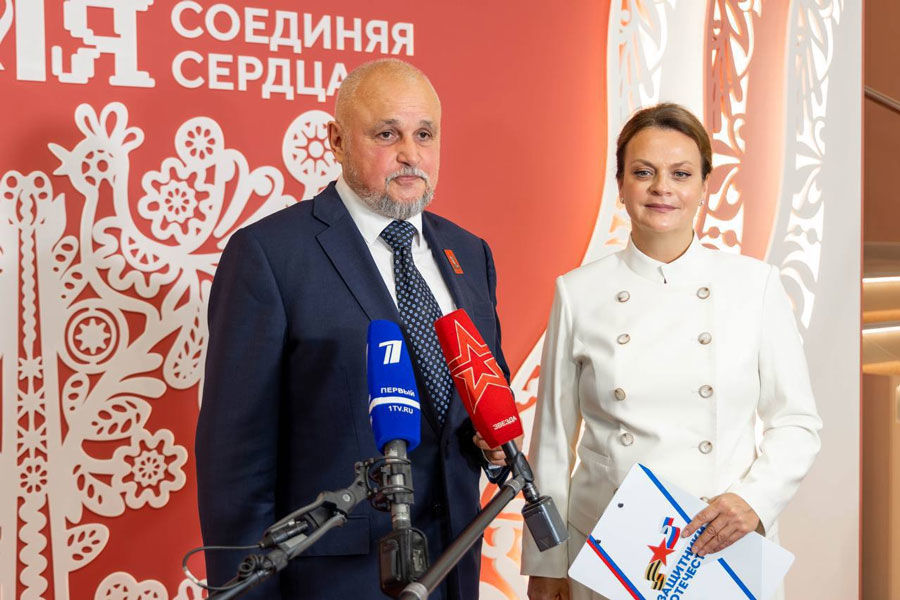
Ownership of a coal business, as well as joint business interests with Putin’s friend Gennady Timchenko
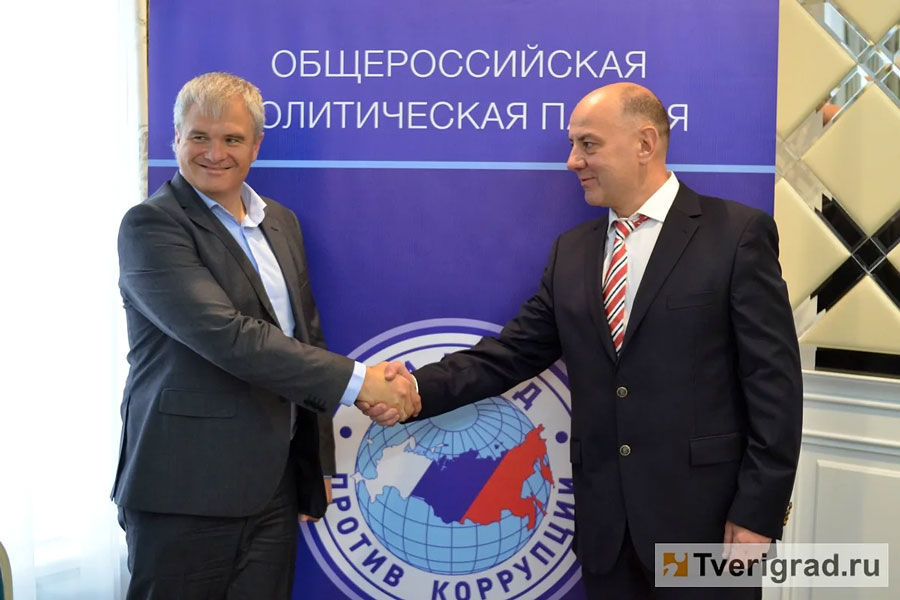
Another branch of the president’s paternal relatives comes from Ryazan. These Putins have not achieved such great success in their government careers, but they have also prospered by taking advantage of their ancestry. Igor Putin (the president’s cousin) and his son Roman Putin (another cousin first removed) have made a career as «lucky charms» — they were taken on by companies that wanted to use big names to protect themselves from racketeering and government inspections. Igor worked on the management board of Master Bank and was a member of the board of directors of Russian Land Bank and Promsberbank. All three banks were involved in cashing out and transferring money out of the country, and after many years of criminal activity, they were finally declared bankrupt, and their management came under investigation. Except for the president’s relative. Igor Putin’s actions were only investigated in the West — he was one of the participants in a money laundering scheme through the Estonian branch of Danske Bank. After serving in the FSB, Igor’s son Roman Putin went into business, while also working as an advisor to regional officials who, like any civil servants, wanted to have someone with a big name on their side. In 2020, Roman created and headed a party with the ironic name «People Against Corruption»
Igor Putin’s niece (and therefore Vladimir Putin’s cousin once removed) Vera Podguzova began her career in the St. Petersburg branch of United Russia, where she worked as editor-in-chief of the party magazine in 2007. Two years later, Vera became a municipal deputy. Later, she was involved in promoting the «Made in Russia» brand, and in 2019, she was appointed senior vice president of Promsvyazbank. This is a key bank for the military-industrial complex and the Ministry of Defense, headed by Pyotr Fradkov, the son of Putin’s longtime friend Mikhail Fradkov.
Finally, another Mikhail Putin, the president’s cousin twice removed and cousin of Mikhail Putin from Gazprom, also became a «lucky charm». Amid criminal proceedings against the Tatar company Kazdorstroy, Mikhail took over as hits head in February 2025
Putin has not only nephews, but also children. His heirs from his unions with Krivonogikh and Kabaeva are still too young to think about a big career, but his daughters from his marriage to Lyudmila are already making full use of their father’s name to pad their resumes with government-related work.
Maria Putina, who uses the surname Vorontsova, is an endocrinologist and works as the deputy dean of the Faculty of Fundamental Medicine at Moscow State University. She is also a co-owner of the company New Medical Company. This organization claims to be engaged in the development of healthcare technologies, and its only customer was the Sogaz clinic, which is controlled by Putin’s relatives and confidants.
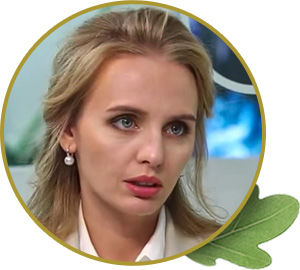
Maria’s first husband (civil marriage) was Dutchman Jorrit Faassen, and they had a son, Roman, in 2012. To keep the foreigner busy, he was first hired to work at Gazprom, and then at the company owned by Putin’s friend Arkady Rotenberg. He had a job title, but no actual work to do. After his divorce from Maria, Faassen became a victim of his own choice: he faced criminal charges in the Netherlands for violating sanctions Yevgeny Nagorny. He works for the gas company Novatek, whose shareholder is Putin’s friend Gennady Timchenko. In 2017, Maria and Yevgeny had a son, Andrei.
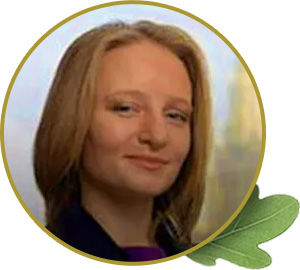
The president’s youngest daughter, Katerina, took the surname Tikhonova and went to work at Moscow State University, where she became deputy director of the Institute for Mathematical Research of Complex Systems. In 2012, the National Intellectual Development Foundation, better known as Innopraktika, was established at the university. Tikhonova became its head. The main donors to the foundation are state-owned companies such as Transneft, Rosneft, and Rosatom, as well as the wealthiest oligarchs. The idea was for Innopraktika to become an accelerator for breakthrough scientific ideas, but in reality, it was involved in a development project on the university’s territory.
It is important to remember that Kirill Shamalov, Katerina Putina’s first husband, himself comes from a family that is «noble» by today’s standards. Kirill is the heir to his father, Nikolai Shamalov, who has known Putin since the late 1980s or early 1990s. With Putin’s help, Shamalov Sr. enriched himself for many years through government contracts (he supplied medical equipment from Germany). In the 2000s, Nikolai was considered one of the nobles closest to the throne. He made his eldest son, Yuri, the head of the largest non-state pension fund, Gazfond, through which Putin’s entourage controls one of the country’s largest banks, Gazprombank. His younger son, Kirill, had barely married Katerina when he received a large stake in the petrochemical giant Sibur as a dowry (this act of corruption was also facilitated by Putin’s friend Gennady Timchenko). Incidentally, when Kirill cheated on Katerina and the couple split up, Putin’s hapless son-in-law lost his shares in Sibur, and his father lost his shares in Rossiya Bank Igor Zelensky, advisor to the director of the Moscow State Academic Music Theater.
In 2020, Tikhonova also became head of the Institute of Artificial Intelligence at Moscow State University. Another curious character, Kirill Dmitriev, was involved in the creation of this institution. He is not a relative of the president, but he comes very close.
Each of the president’s relatives, upon reaching high positions, brought their own people with them — relatives and friends. Dmitriev, a native of Ukraine with an American education, became an important figure thanks to his personal friendship with Putin’s daughters. In 2011, he was appointed head of the Russian Direct Investment Fund, which manages assets worth more than $ 10 billion. And in 2025, he also became a negotiator with the US administration on the matters of Ukraine.
Dmitriev’s wife Natalia Popova worked as Tikhonova’s deputy at Innopraktika. The Russian elite of Putin’s time is essentially a series of diverging and often intersecting circles of Putin’s relatives and friends, their friends, their relatives, and so on.
To show you how much larger Putin’s «family» is than Yeltsin’s, we have drawn up two family trees. During Putin’s 25 years in power, at least 26 of his relatives have held positions in government and in big business connected with the authorities. If we add Putin’s successful relatives to his close friends and personal bodyguards, who are at his side more often than other close associates, the total number of «Putin’s people» in the Russian leadership exceeds 50.
Families and «Families» of Boris Yeltsin and Vladimir Putin
Relatives and confidants of presidents who received positions, influence and wealth during their terms of office

Does the president really love his close and distant relatives so much that he provides them with careers and prosperity? It is difficult to judge, but it is worth remembering a few facts.
Putin almost never comments on the lives and successes of his relatives. His three heiresses live under fictitious surnames, and their father has never even acknowledged the fact that Masha, Katya, and Liza (Svetlana Krivonogikh’s daughter also used the names Luiza Rozova and Elizaveta Rudnova) are his daughters, preferring to refer to them as «these women.» Alina Kabaeva and her two sons born to the president are completely hidden from the public — they use cover documents and live most of the time under guard at Putin’s residence in Valdai. The boys are named Vladimir and Ivan Spiridonov (Vladimir Putin’s grandfather was named Spiridon).
-
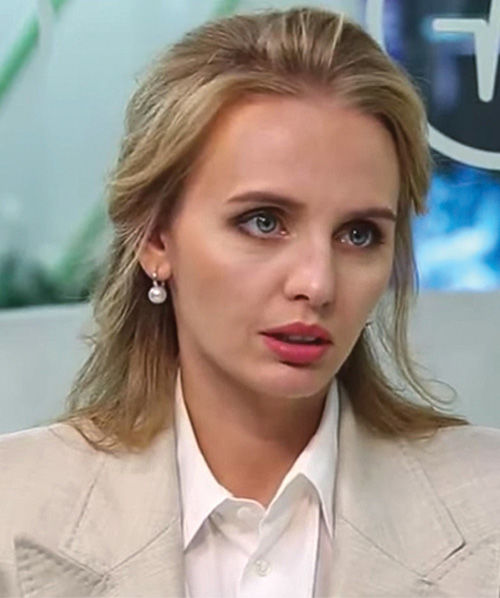
Maria Vorontsova
Mother: Lyudmila Putina
-
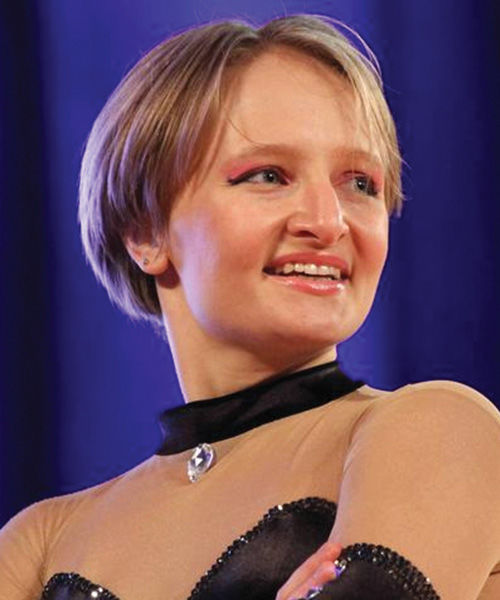
Katerina Tikhonova
Mother: Lyudmila Putina
-
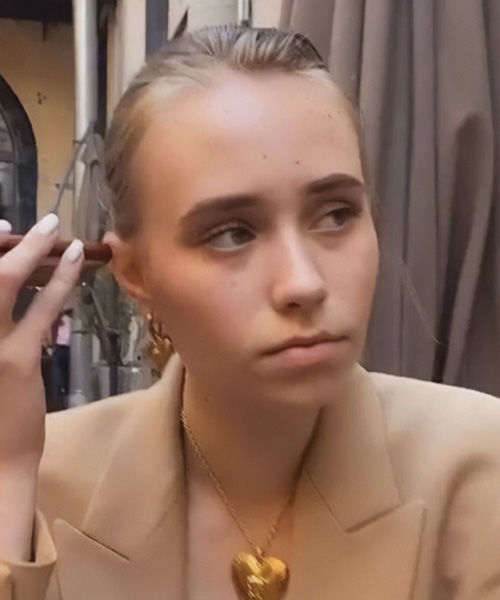
Yelizaveta Rudnova (Rozova)
Mother: Svetlana Krivonogikh
-
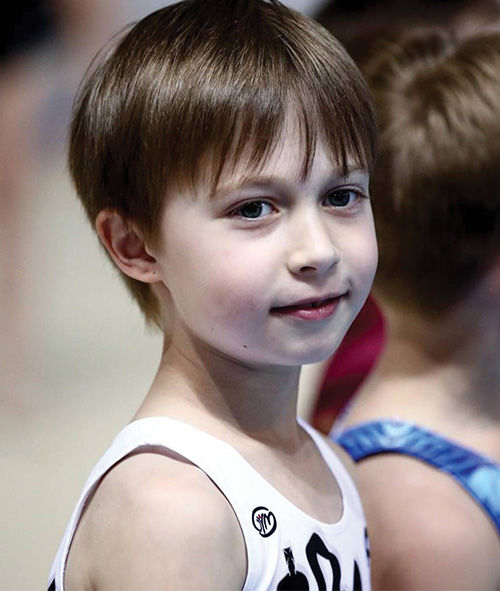
Ivan Spiridonov
Mother: Alina Kabaeva
-
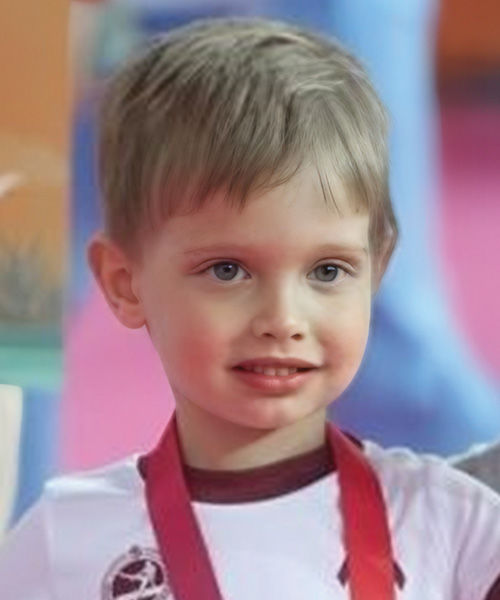
Vladimir Spiridonov
Mother: Alina Kabaeva
Putin has never commented on his relationship with Anna Tsivilyova and her husband, even though they work directly in the government, which is subordinate to the president, which creates a direct conflict of interest for Putin. The only relative that the president has ever said anything more or less definite about (albeit through his press secretary) is his nephew, although he did not tell the truth (it would be difficult to deny their family connection, given that the deputy head of Gazprom bears the president’s surname).
On the other hand, Putin likes to talk in public about his relatives who have already passed away. An indispensable part of almost any of Putin’s interviews are his stories about his grandfather Spiridon, who was a cook for Lenin and Stalin, or about the simple life of his parents, who taught him to always turn off the lights after himself, or the story of how, at the beginning of the war, his father, as part of an NKVD sabotage unit, had to hide in a swamp and breathe through a straw.
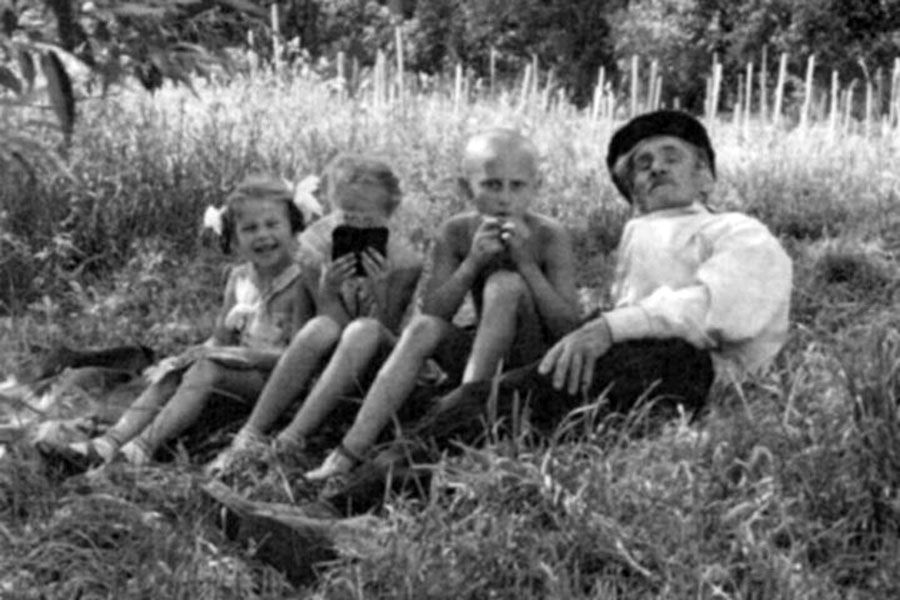
However, the president often begins to fantasize, mix up the details, or straight up lie. When telling the story of his mother’s miraculous rescue during the siege of Leningrad, he once