



Scene Five
Prima Nocta
An investigation into how Putin was set up to sleep with a minor and what role sexual relations played in Valentina Matviyenko’s career
Characters:
Alisa Kharcheva, her lover and her father, Valentina Matviyenko and her men, the Rotenberg family and their women
In the mid-18th century, one woman had a colossal influence on the politics of France, and therefore of all Europe: the famous mistress of King Louis XV, the Marquise de Pompadour. This does not mean, however, that women at that time had the same rights as men, particularly in the governance of the state. There is a theory that Pompadour was backed by influential men who allegedly arranged for the king to meet the beauty, hoping to increase their own influence over His Majesty through her. In this sense, modern Russia is not far behind 18th century France — it is still difficult for women to pursue a career in government without influential men backing them, and they are still being exploited in the same way as the Marquise de Pompadour was. Our story begins with some enterprising young folks who decided to gain favor by introducing Putin to an underage mistress.

The pro-Kremlin youth movement Nashi (which originated in 2000 and was initially called Walking Together) has played an interesting role in Russian history. More than twenty years ago, young people would organize protests where they threw undesirable books into toilets, or impale plastic heads of human rights activists on stakes. In short, they were doing all the things that have now become the norm.
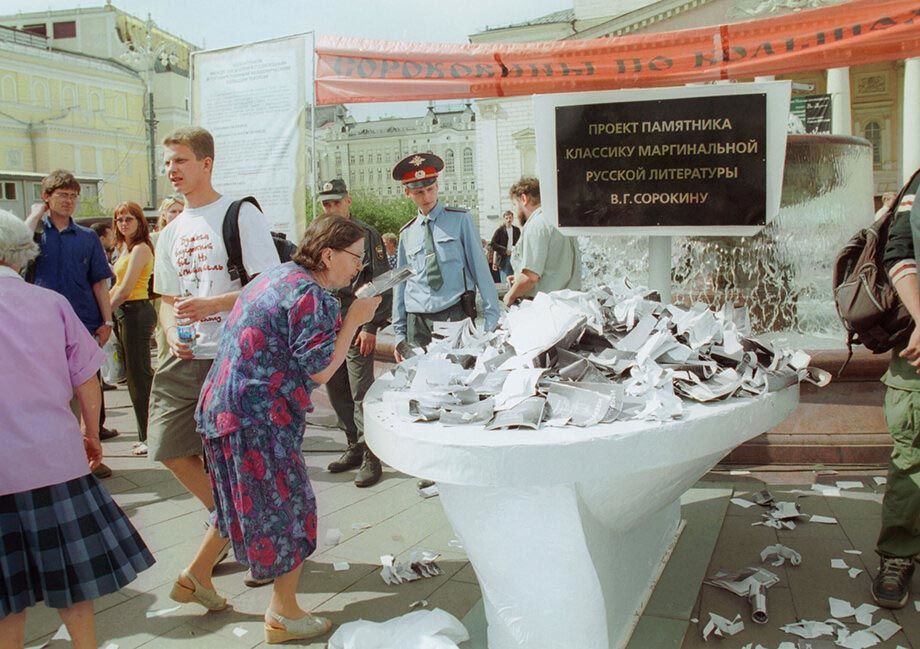
In the 2000s, such performances reminiscent of Nazi Germany seemed bizarre, so it was quite appropriate to call Nashi members “Nashists” and “jubilant gopniks.” But they were not at all embarrassed about it, as if they knew they were setting standards for the future. All the more so because the country’s leadership promised them, at least on paper, a brilliant career. Nashi was supervised by Vladislav Surkov, first deputy head of Putin’s administration. In 2005, he literally said to the jubilant youth gathered at the famous pro-Kremlin camp on Lake Seliger: “We will hand over the country to you.” This promise even started to come true to some extent: two years later, the movement’s founder Vasily Yakemenko became head of the government’s State Committee (later renamed Federal Agency) for Youth Affairs, and at least 13 others would at various times occupy positions of some significance in federal government structures, from Civic Chamber to various ministries. Some of these young people (which we have gathered in the gallery below) are quite important to our story.
“Nashi” in the halls of power
-

Mikhail Degtyarev
Started out as head of the Samara branch of «Walking Together», but later was elected to the State Duma representing the Liberal Democratic Party of Russia. Former governor of Khabarovsk Krai, current Minister of Sport.
-
Sergey Belokonev
Former commissioner of «Nashi», later became a member of the State Duma and head of the Federal Agency for Youth Affairs.
-
Robert Shlegel
Started as a press secretary and later became a commissioner of «Nashi». Member of two State Duma convocations, at one point first deputy chairman of the parliamentary committee on information policy and head of the commission of the presidium of the United Russia General Council on international policy. Publicly condemned Russia’s invasion of Ukraine. Now living abroad.
-
Irina Pleshcheva
Started out as press secretary of the Voronezh branch of «Nashi». She later served as Minister of Social Communications of the Moscow Oblast government, deputy head of the All-Russian People’s Front executive committee, and executive director of the Russian Schoolchildren’s Movement. Now works in the Kremlin as head of the department of educational projects and programs.
-
Ilya Kostunov
Former commissioner of «Nashi» and member of the State Duma. Until the summer of 2024, he headed «GlavNIVTs», which conducts mass surveillance of Russians online and uses bots to promote Kremlin propaganda on social media (as reported by iStories).
-
Maksim Mishchenko
Former commissioner of «Nashi», later member of the State Duma, the Civic Chamber, and deputy minister of internal policy of Tula Oblast. Served prison time for fraud.
-
Pavel Tarakanov
Former head of the Chechen branch and later leader of «Walking Together». Former State Duma deputy, former Federation Council member, and ex-vice governor of Tyumen Oblast. Currently first deputy governor of Khanty-Mansi Autonomous Okrug.
-
Kristina Potupchik
Former press secretary of «Nashi» and member of the Civic Chamber. Now one of the Kremlin’s key contractors for social media operations.
-
Vladimir Tabak
Never a member of «Nashi», but created an important project for them. In 2018, he worked on Putin’s election campaign. Currently CEO of ANO «Dialog», a key Kremlin propaganda structure.
-
Yulia Gorodnicheva
Former commissioner of «Nashi». After she asked a question about church–state relations at a «Nashi» meeting with the president, Putin invited her into the Civic Chamber. Later she became deputy head of this Kremlin-created institution intended to simulate public dialogue.
-
Boris Yakemenko
Headed the Orthodox wing of «Nashi» and was a member of the Civic Chamber.
-
Dmitry Chugunov
Former commissioner of «Nashi», later member of the Civic Chamber, and then vice president for GR at Synergy Corporation.
-
Yulia Zimova
Former commissioner of «Nashi», later member of the Civic Chamber. Now carries out «charity» work in the occupied regions of Ukraine, for which she received a Russian state award.
They all understood perfectly well that the authorities were not expecting them to improve the lives of Russians. Their main goal was to please Putin, to get his attention. The most important day of the year 
Until now, only part of the story behind the gift given by Nashi to then-Prime Minister Putin on his 58th birthday was known. On October 6, 2010, the movement’s press secretary Kristina Potupchik published an erotic calendar on her blog, each page of which featured a photo of girls dressed in sexy lingerie with ambiguous slogans such as: “How about a third time?” That question had political undertones — at the time, the country was wondering whether Putin would run for a third presidential term.

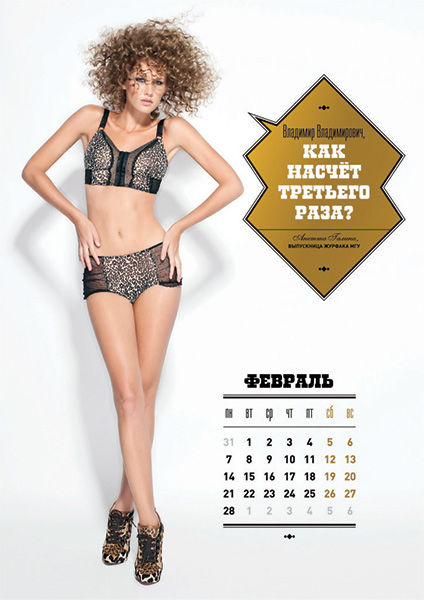
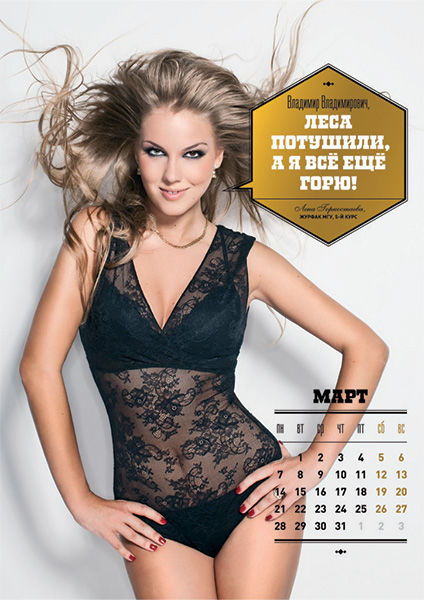
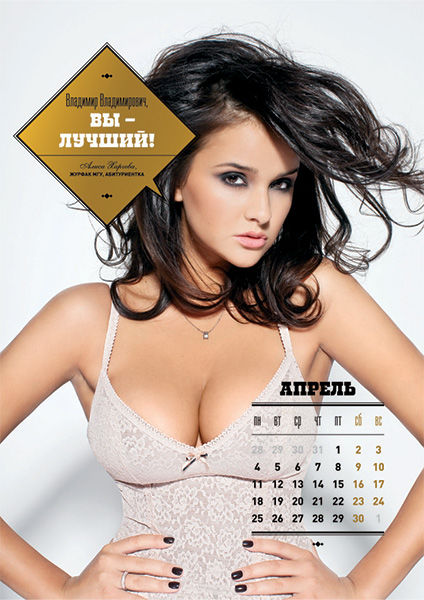

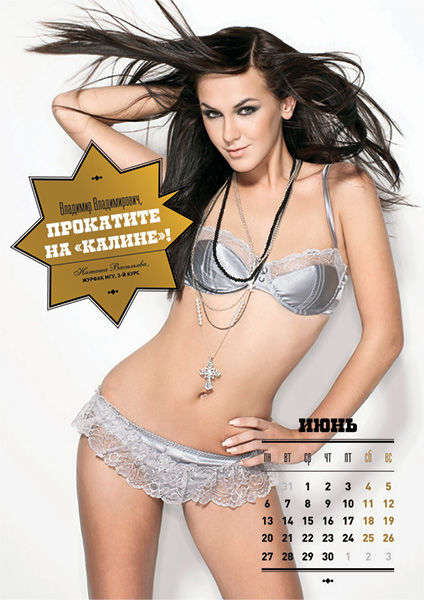
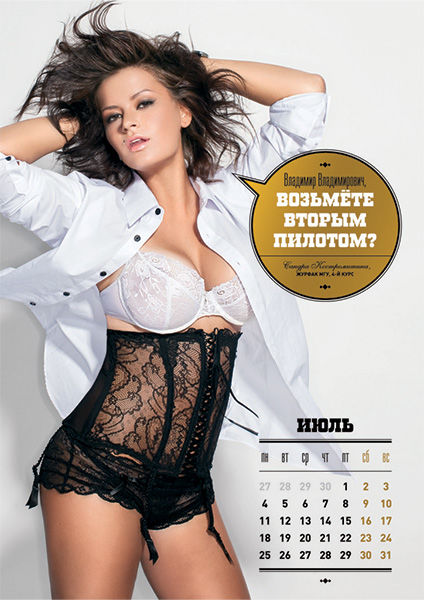
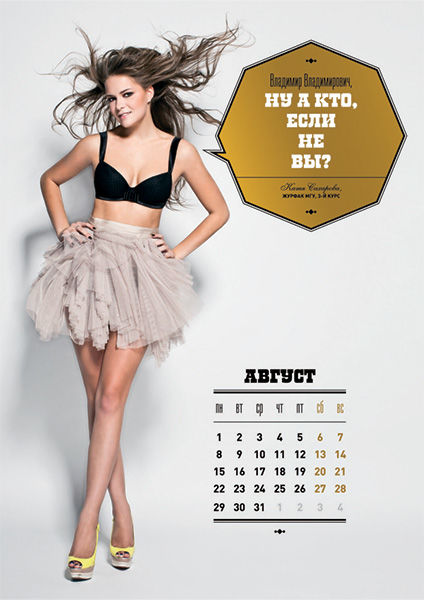
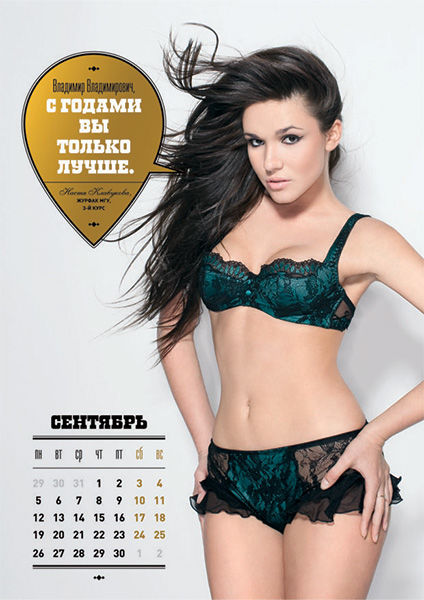
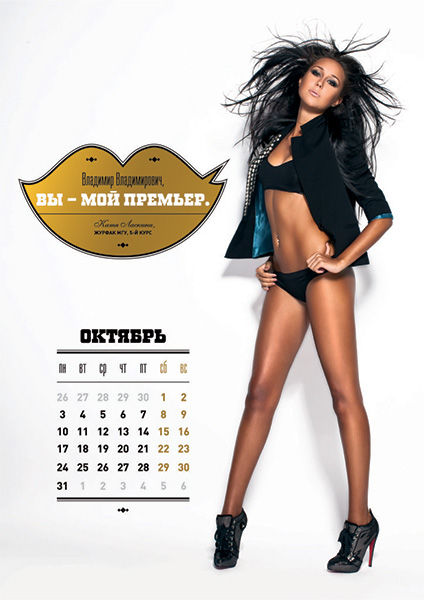
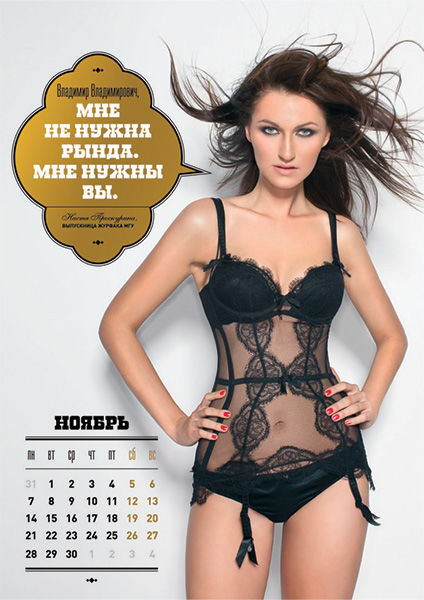
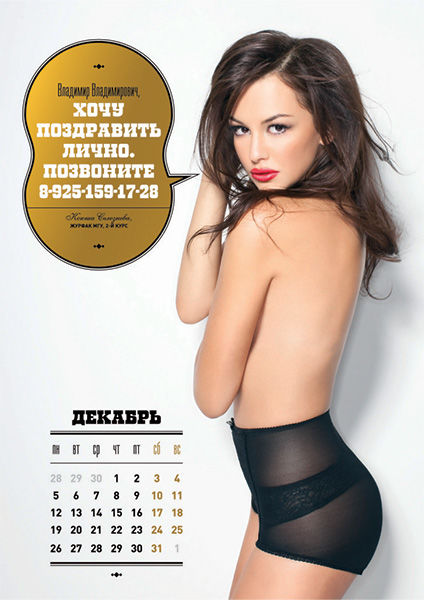
Nine of these models were students at Moscow State University’s journalism department, two were graduates of the same university, and one (pictured on the April page) was a 17-year-old applicant who was not accepted that year. Her name was Alisa Kharcheva.

It soon became clear that the birthday boy liked the gift from the Nashists. Putin’s press secretary Peskov publicly announced that the prime minister had received the calendar and hoped that the journalism department would not punish the models for the candid photo shoot. That seemed to be the end of the story. But six years later, Reuters discovered a crucial detail: in 2015, Alisa received a luxury apartment in Moscow from a certain Grigory Baevsky. It turned out that Baevsky was a man of Arkady Rotenberg, Putin’s friend. This intermediary also provided apartments to the president’s own daughter Katerina Tikhonova, as well as to the grandmother of Putin’s mistress Alina Kabaeva. In short, Alisa found herself in the company of women close to the head of state, and, as many could already guess at the time, it was with a purpose.

Proekt was able to establish the details of that story, which, as is now clear, is entirely in keeping with the spirit of the times of the Marquise de Pompadour. We spoke at different times with four people directly involved in Kharcheva meeting Putin, and also discovered new information confirming the head of state’s long-term relationship with the young woman.
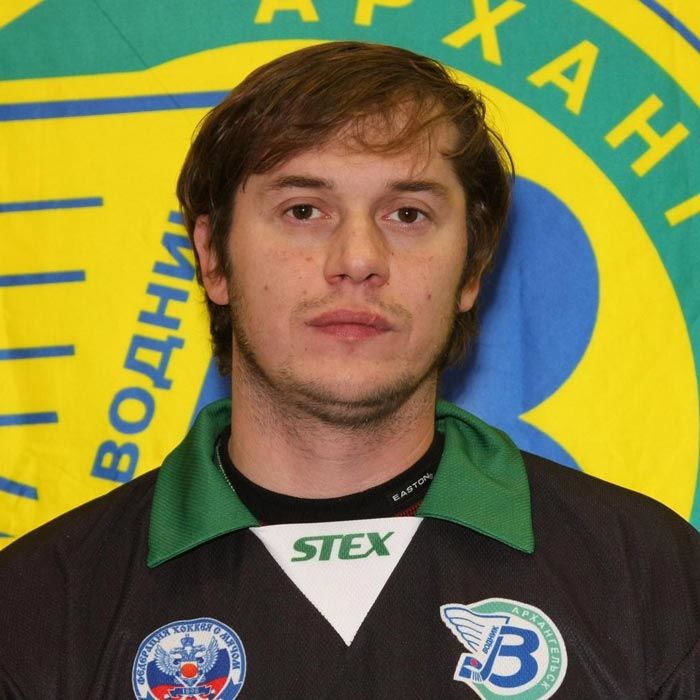
Alisa was born into the family of professional bandy player Vsevolod Kharchev, who once played for Dynamo Moscow. However, by the time the girl wanted to enroll at Moscow State University, he had long since left the club and had been thinking about ending his career for several years.
So, she could hardly count on her father’s help in building a prosperous future. The applicant got lucky though — their friends introduced her to Vladimir Tabak, a journalism graduate who was not a member of Nashi, but worked closely with them (one of his biographies states that at the time he was “head of the Presidential Administration’s creative group for developing Internet projects”). This then-unknown classmate of Yuri Dud also pondered how to please Putin on his birthday. It was he who came up with the idea of an erotic calendar. Tabak agreed on the plan with the Nashi leaders Vasily Yakemenko and Vladislav Surkov (the organization’s curator in the Kremlin). He told them that in this way, young people would show the authorities the loyalty of the journalism faculty, which was considered a stronghold of the opposition
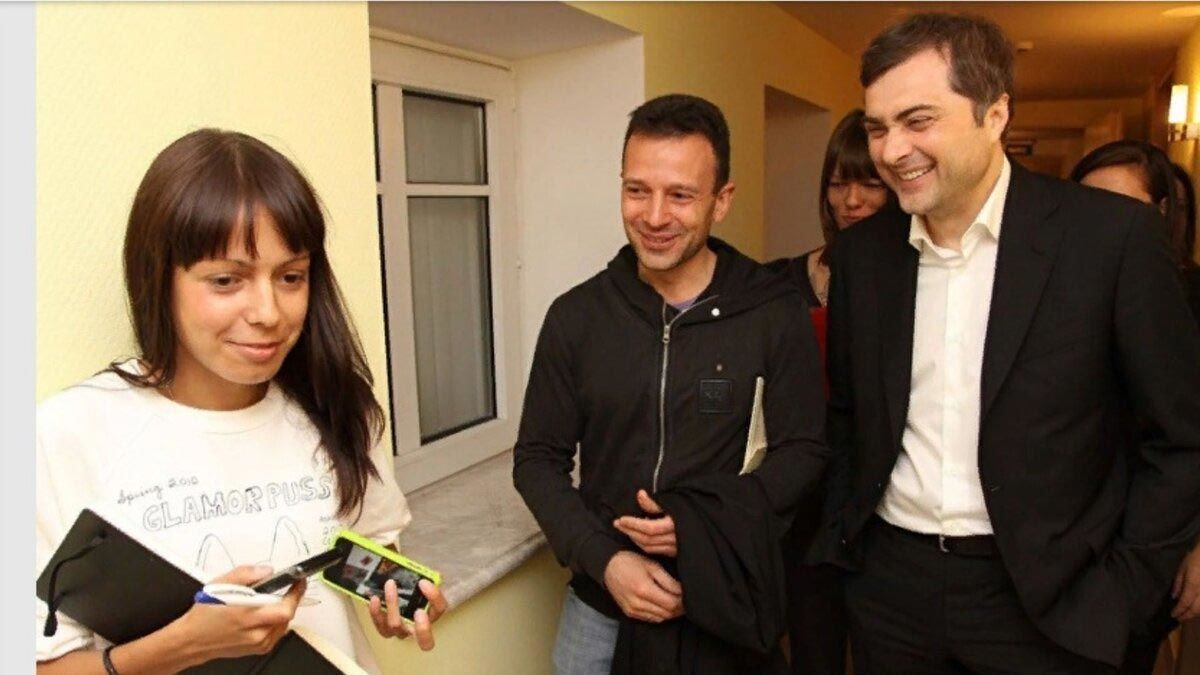
Nashi were certainly no puritans even before that. An acquaintance of Yakemenko recalls that “girls were always hanging out in Vasily’s office.” Vasily actively mixed work and personal life—he married an activist from his own organization, Maria Soboleva. Later, Yakemenko recalled in an interview: “I was never involved in politics. I was involved in courting women.”
Anyway, the erotic idea was approved. Moreover, the contacts of the female students were sent to the Kremlin along with a complimentary copy of the calendar.
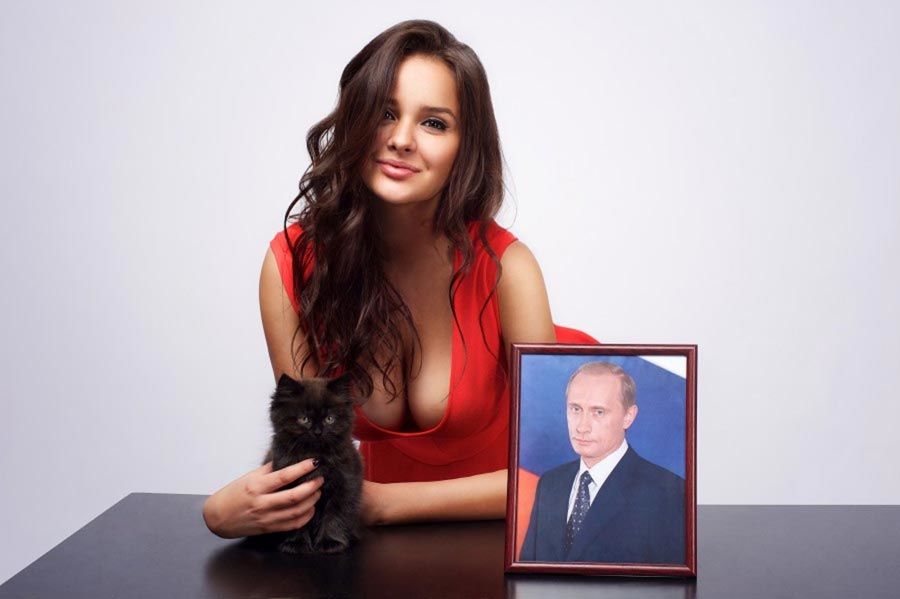
Alisa got a call fairly quickly (“less than a month later,” recalls one of our interlocutors) — the voice on the other end greeted her and suggested a meeting at the prime minister’s countryside residence (apparently referring to Novo-Ogaryovo, located in the Moscow region). The caller was probably Putin’s assistant, although one of our interlocutors recounts rumors circulating among the Nashists that it was the prime minister himself, impressed by the girl’s photo. All the participants in this story who spoke to us agree on one thing: an intimate relationship began between Kharcheva and Putin.
The girl visited the prime minister regularly. These visits, of course, coincided with the departures of Alina Kabaeva, who was already Putin’s main lover at the time, from the residence. The prime minister’s official wife Lyudmila was no longer living with him at that time.
Her romance with Putin was, of course, kept secret, but no one was hiding Alisa herself from the public. On the contrary, when the girl wanted to participate in the Miss Russia contest, she immediately found herself in the final, which was broadcast by the state-owned NTV channel owned by Putin’s friends
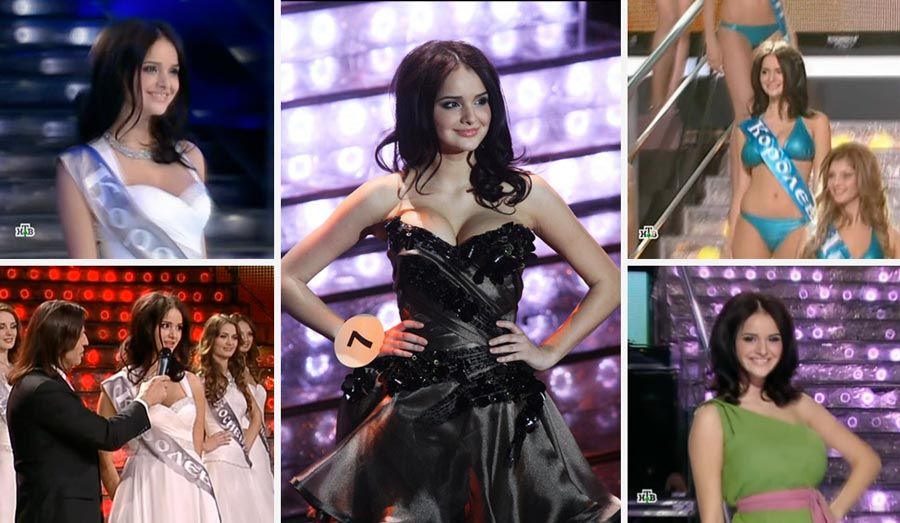
The whole country, unaware of this, watched as the head of government’s mistress passed one stage after another: parading in a swimsuit and evening gown, answering questions from the jury. How would Alice spend $7 million (for some reason, the host offered the other girls less)? She would give it to her parents, buy gifts for her brother and friends, “get new jackets for her dogs,” and invest some of the money in a business, she responded confidently. Unlike the other contestants, she didn’t say a word about her personal needs. Which of the finalists would she choose as the winner? Anastasia Mashukova from Krasnoyarsk, Alisa said. Kharcheva’s favorite would ultimately be declared the runner-up, and the winner’s crown would go to Natalya Gantimurova, another girl with a background, who is related to former State Duma member Sergei Markidonov. Putin’s mistress modestly settled for the top ten. This is perhaps the only difference from a similar court beauty contest that Chechen leader Ramzan Kadyrov organized for his concubines a few years earlier. That contest was won by “his women”.
Nashi realized quite quickly that the connection between Kharcheva and Putin could be used to their advantage. Before each trip to meet with Putin the Nashists asked Alisa to convey one request or another to her man. But the young girl failed to become the new Madame de Pompadour. Either she herself did not insist too much on the ideas she brought to Putin, or he simply did not like them. In any case, our interlocutors cannot recall any of the initiatives that Alisa brought to Putin’s bed being implemented. Moreover, one of our interlocutors believes that attempts to take advantage of his romance must have annoyed the Russian president.
One way or another, about a year later, the relationship ended — Putin stopped inviting Alisa to visit him.
By coincidence, at about the same time, Nashi lost the trust of the country’s leadership altogether. In late 2011, just after Putin’s decision about “the third time,” months of mass protests began in the country, which the Nashists were unable to counter. The organization was disbanded, Surkov was removed from his position as the Kremlin’s curator of domestic policy, and Yakemenko was dismissed from the Federal Agency for Youth Affairs (Rosmolodezh).
However, Vladimir Tabak, who had spotted Alisa, managed to get noticed – since then, the Kremlin has entrusted him with important tasks on more than one occasion, including work in Putin’s presidential campaign headquarters
Its mission is to promote the government’s agenda on the internet. But that’s not all Dialog does. The Kremlin has entrusted this multi-billion-dollar organization with one very delicate task. This is the most scandalous part of Alisa Kharcheva’s story.
In the late 2010s, Alisa’s father was out of work — he was too old to play hockey, and his coaching career didn’t work out. In 2020, he was hired by Tabak — this was one of the rare examples of reverse career inheritance, when parents receive positions and wealth thanks to the “success” of their children (you can find several such examples in our special project).
In recent years, Kharchev has been receiving a salary of approximately 100,000 rubles per month from Tabak
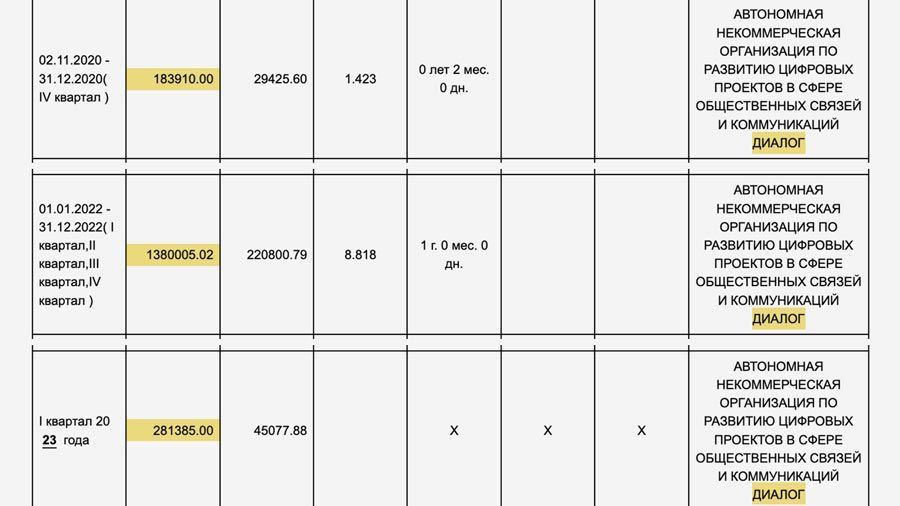
So, Putin valued the well-being of the father of the 17-year-old girl he once fancied at 100,000 rubles a month. Alisa herself received not just the aforementioned apartment. As one of our interlocutors put it, she was also “gotten into” Moscow State Institute of International Relations (MGIMO). During her relationship with Putin, the girl lost interest in journalism, so when she was offered to choose any university in the country to study at, she preferred MGIMO, where she was immediately enrolled. She is now the co-owner of a tanning studio called Bronzeglow and maintains relationships with her “benefactors” — at least in 2021, she flew to Turkey on a business jet accompanied by Kristina Potupchik.
Of course, the role of women in Russian politics is not limited to such medieval-like examples.
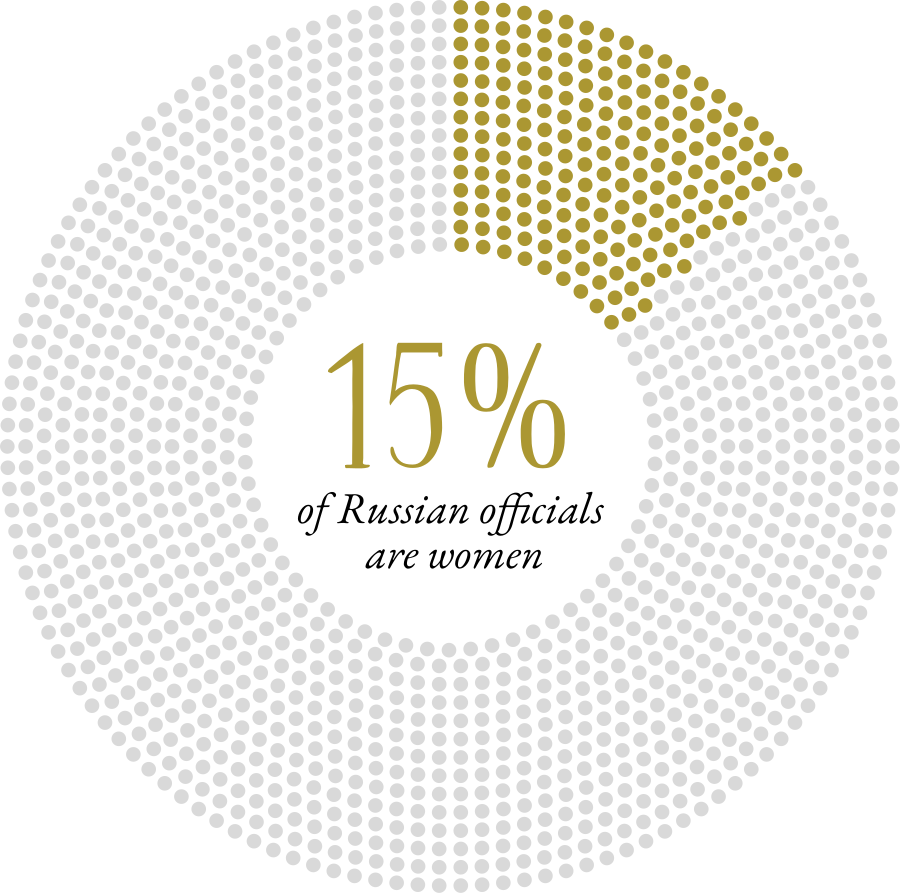
In total, there are 194 women in leadership positions in the government agencies and state-owned businesses we studied, which is 15% of all top officials in Russia. At the same time, our database includes 130 women, or 13% of those studied, who have relatives in government or state-owned businesses.
Undoubtedly, some of them rose to the top because of their abilities or willingness to participate in the most terrible plans of the country’s leadership on par with men. An obvious example of the latter is State Duma member Irina Yarovaya, who, over many years of work in the Duma, has co-authored nearly 300 draconian bills. In 2012, when the Duma passed the so-called “law of scoundrels,” which prohibited Americans from adopting Russian children, the Kremlin chose women (MPs Ekaterina Lakhova, Elena Afanasyeva and Olga Batalina) to be its authors and promoters.
In other cases (and there are many), women receive high-ranking positions through assistance of a male patron, at least in the early stages of her career. Until now, the most famous example of this kind was Deputy Prime Minister Tatyana Golikova. In the 1990s, this energetic young woman was building a career in the Ministry of Finance, where she could surely end up heading one of the departments sooner or later. But in 1997, her future husband Viktor Khristenko came into her life. He briefly joined the Ministry of Finance as deputy minister and then quickly moved on to become deputy prime minister. The officials started an office romance, and Golikova’s career took off. The 32-year-old financier was almost immediately promoted to head of the budget department, which was crucial to her ministry, and a year later she became deputy minister. After that, she probably did without her husband’s help — having gained Putin’s trust, she served as minister, presidential aide, head of the Accounts Chamber, and deputy prime minister.
However, there is one even more influential woman in the Russian leadership, the reason for whose career successes has never before been revealed. We are talking about the most high-ranking woman in Russia in the last two centuries.
Valentina Matviyenko, Chairwoman of the Federation Council, loves to look good. So much so that her assistants have compiled a set of her best photos, which they insist that journalists working in parliament use. Attractive looks played a significant, if not the most important, role in the career of young Komsomol member Valentina Tyutina (Matviyenko is her married name).
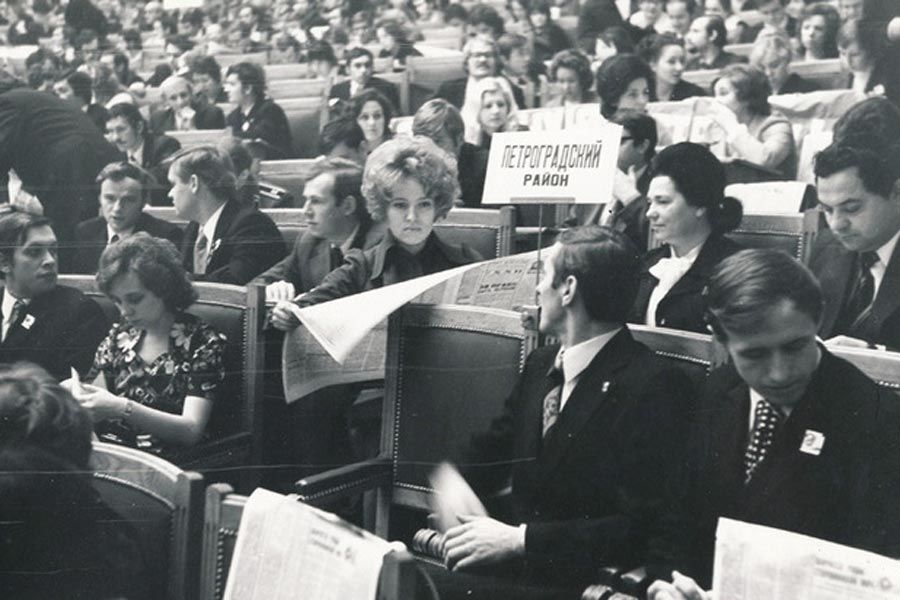
A native of Shepetivka, Ukraine (a city in the Khmelnytskyi Oblast that has come under Russian fire several times in recent years), she came to Leningrad in 1967 to study at the Chemical-Pharmaceutical Institute, but began to rise through the ranks not through at work, but also in the Komsomol. At one of the meetings of the activists, she caught the eye of Viktor Lobko, who in the 1970s was first the second and then the first secretary of the Leningrad Komsomol.
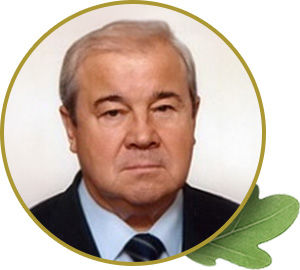
Her romantic relationship with this man gave the initial boost to Matviyenko’s impressive career
In this position, she was noticed by a much more important official of that era — the “master” of Leningrad himself. This was the title given to Grigory Romanov, first secretary of the Leningrad Oblast Committee and member of the Central Committee of the Communist Party of the Soviet Union. He ruled Leningrad throughout the entire period of “stagnation,” and in the 1980s, he almost became the leader of the USSR instead of Mikhail Gorbachev, which would undoubtedly have set the history of the state on a different path. Romanov was notorious for his dogmatism; he actively opposed dissenters and participated in the persecution of creative intellectuals such as Joseph Brodsky, Olga Bergholz and Sergei Dovlatov.
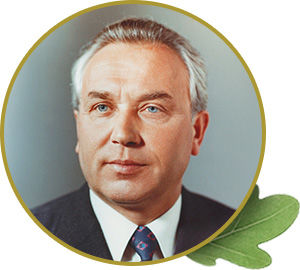
Matviyenko calls Romanov her “teacher.” It was on his recommendation
The “sins of youth” apparently include Matviyenko’s passion for party and Komsomol banquets, which earned her the nickname “Valya Polstakana” (Valya Half-Glass), which later became public knowledge. Matviyenko took this with humor and, when asked by documentary filmmaker Igor Shadkhan if she had the nickname “Valya Stakan” (Valya Glass), she replied: “I don’t remember a whole glass, but there was half a glass, was it different for you?”
“Usually, it was just the men and her at the drinking parties. They drank vodka. Valentina would put her hand on the glass and say, ‘Just half a glass for me,’ because she didn’t want to get drunk. But she did drink quite a lot,“
says former St. Petersburg official Andrei Korchagin
Another source interviewed by Proekt remembers seeing her on a night train to Moscow in the early 1990s — at that time, she was studying at the Diplomatic Academy in the capital — with an English textbook and a decanter of vodka.
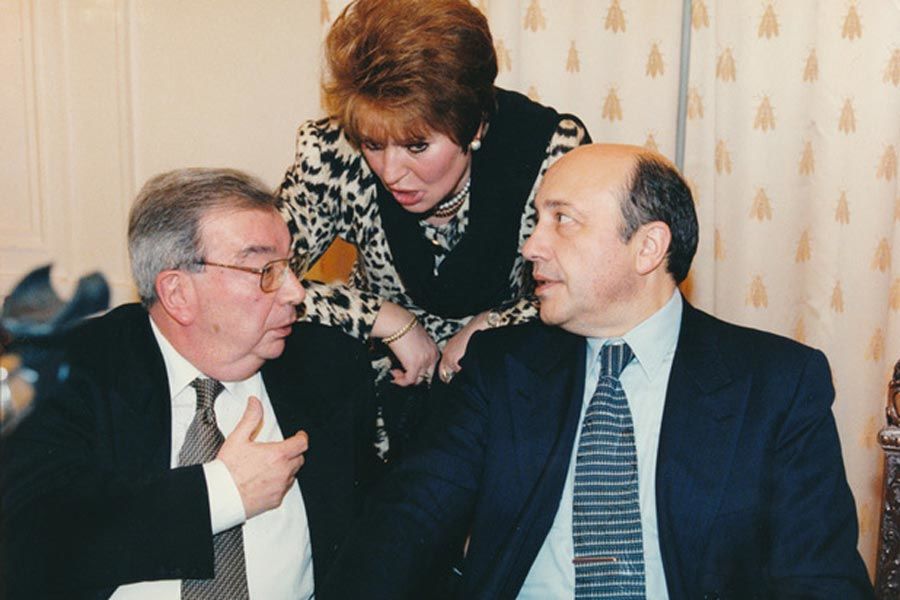
Matviyenko also owed her diplomatic career (in 1991–1998, she was Russia’s ambassador to Malta and Greece, and also held positions in the Foreign Ministry), which began in the year of the collapse of the USSR, to a male patron — this time, Yevgeny Primakov, a former intelligence officer and well-known figure in the Soviet elite. He noticed the young Leningrad woman among the people’s deputies of the USSR in the late 1980s, when he headed one of the chambers of the Supreme Soviet. Matviyenko was one of the youngest members of parliament, representing the Committee of Soviet Women, an ideologized structure accountable to the CPSU and supervised by the KGB.
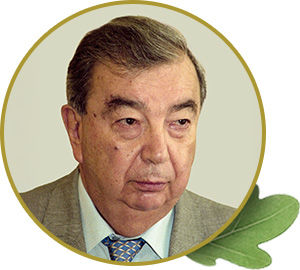
“Acquaintances who came from the congresses of people’s deputies said that even in public they constantly hugged and kissed each other as if they were friends, but it all looked very strange,” Korchagin recalls. A Leningrad journalist and high-ranking official of those years heard about the romance between Primakov and Matviyenko at the time. When Primakov became prime minister in 1998, he appointed Matviyenko as his deputy. Later, he allegedly introduced her to Putin, who liked her for her diligence
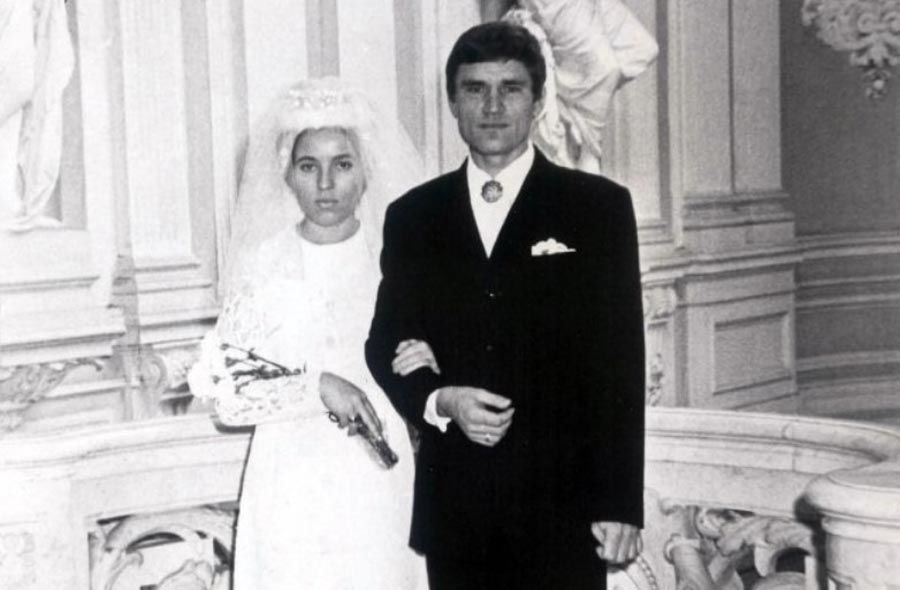
This woman’s enviable government career over the past forty years has developed against a backdrop of heavy personal drama. While still a student, Valentina Tyutina married for the first and only time in her life — to her classmate at the Leningrad Chemical and Pharmaceutical Institute Vladimir Matviyenko. Since the 1980s, he had suffered from a serious illness that deprived him of his mobility
Soon after, his illness was compounded by a tragic event. In the fall of 1999, his wife, then deputy prime minister, was involved in a terrible car accident during a business trip to Penza — three people were killed, but the official herself suffered only minor injuries. In the ensuing commotion, her husband was mistakenly told that Valentina had died, and Vladimir suffered a stroke, which, in addition to his other problems, left him partially paralyzed
“We always avoided talking about two topics, knowing that she had two heavy burdens,” recalls a correspondent for one of the St. Petersburg newspapers of the early 2000s. The first topic was her seriously ill husband. The second was her son Sergei, whom Matviyenko gave birth to in 1973, at the very beginning of her Komsomol career. “He grew up without parents — his father was seriously ill, his mother was at regional committee banquets,” recalls a journalist who worked in Leningrad in the 1980s.
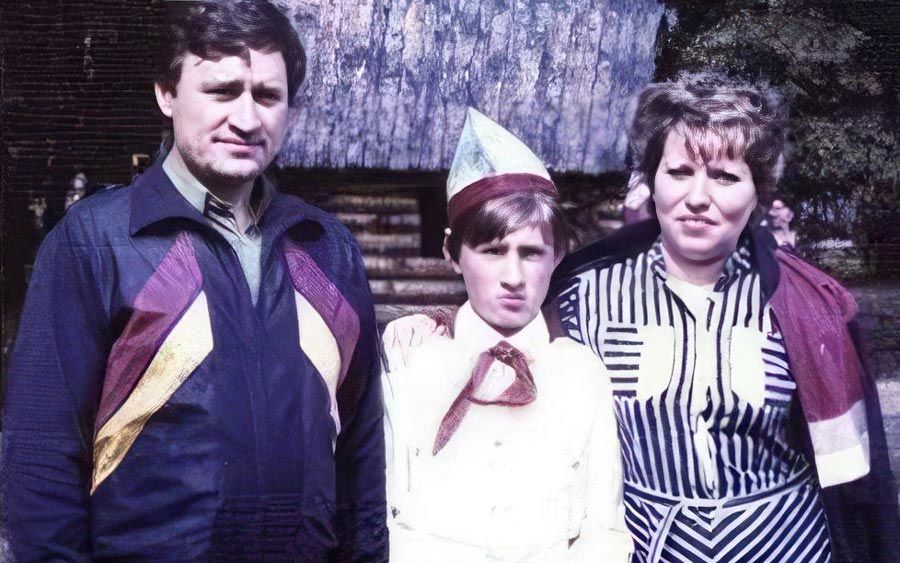
“Once, during a government meeting, an aide approached her and whispered something in her ear,” recalls St. Petersburg journalist Sergei Kovalchenko. “Later, Smolny employees secretly told us that she had allegedly been informed that her son had died of an overdose. She didn’t change her expression at all and continued to chair the meeting.” The news turned out to be false — apparently, the overdose did occur, but it was not fatal. However, the rumors were so persistent that the governor soon had to attend a football match with her son just for him to appear in front of the cameras.
Sergei became addicted to drugs in his youth. “Before class, he would constantly offer me something — drugs completely destroyed his brain, it was very noticeable in his behavior,” recalls Matviyenko’s classmate at the St. Petersburg Academy of Culture. In the late 1990s, when Matviyenko Jr. was studying to be a manager at that academy, he was caught with a dose of drugs and even spent a short time in the Kresty detention center, but was released after his mother intervened
But the official had no other heirs, so when it came to the opportunity to secretly enrich herself, Sergei started to get showered with expensive assets registered in his name. To begin with, Valentina Matviyenko needed an old acquaintance. It was Alexander Savelyev, a former official and then a successful banker, with whom she had been briefly involved in a joint business venture in the early 1990s — a transport company
However, his career did not stop there. That same year, Sergei registered the Imperia holding company, which, through various schemes, took possession of numerous historic buildings in the city center. At the end of his mother’s eight-year reign in the northern capital of Russia, her son’s business assets were valued at approximately $1 billion.
Is Matviyenko really a gifted businessman? Anyone can answer this question by simply watching Sergei’s 2011 interview with Oleg Tinkov. In it, Matviyenko Jr., clearly in an altered state of mind, spouted economic terms that he had no understanding of.
He would later claim that he was “using a marketing ploy” by pretending to be a heroin addict. This is hard to believe, however, as Sergei continued to get himself into trouble — he was caught with drugs in a nightclub and kicked off a flight for causing a disturbance
Naturally, after the mother left St. Petersburg, the son’s business empire collapsed. Most of his companies have shut down, leaving him with only two profitable businesses — but they still bring in substantial sums, including money from government contracts
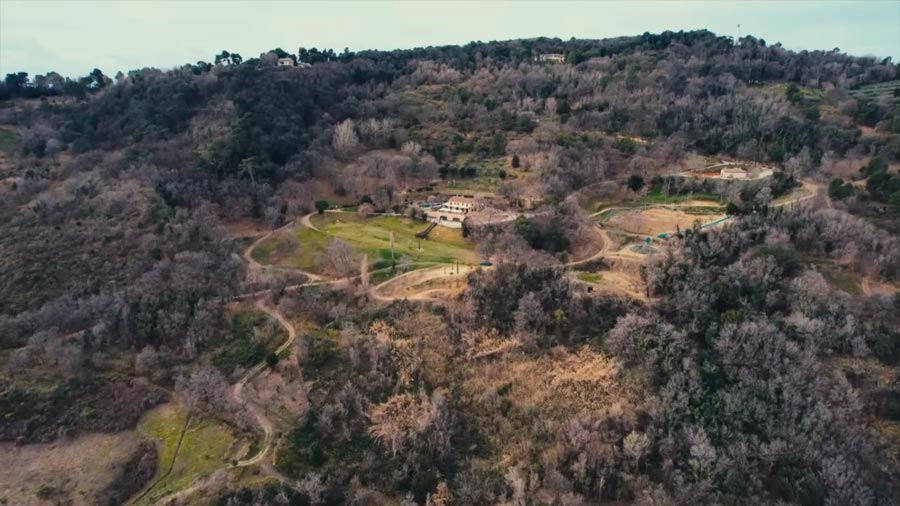
На протяжении последних десятилетий Матвиенко-младший предпочитал вкладывать заработанное в недвижимость. Даже, можно сказать, помешался на этом. На нынешний момент он владеет объектами в Москве и Петербурге на общую сумму почти 12 млрд руб., не говоря уже о многочисленных домах и квартирах, которые к нынешнему моменту продал — например, 380-метровой квартире в петербургском доме, где когда-то жил лауреат Нобелевки Петр Капица, или земли в селе Свияжск в Татарстане на островке посреди Волги. Но основной центр интересов Сергея давно не в России. Еще в том самом интервью Тинькову в 2011 году богатый наследник говорил о своих планах на пенсию: «Сидеть в кресле-качалке в Италии. У меня есть разрешение на работу, подписанное Берлускони
The secret wealth is another incentive for women’s careers in today’s Russia.
Rostourism is a government agency, almost a ministry, which has long been responsible for the development of the entire tourism industry in Russia. Since Zarina Doguzova was appointed head of Rostourism in 2019, most officials interviewed by journalists have suggested that she is someone’s mistress.
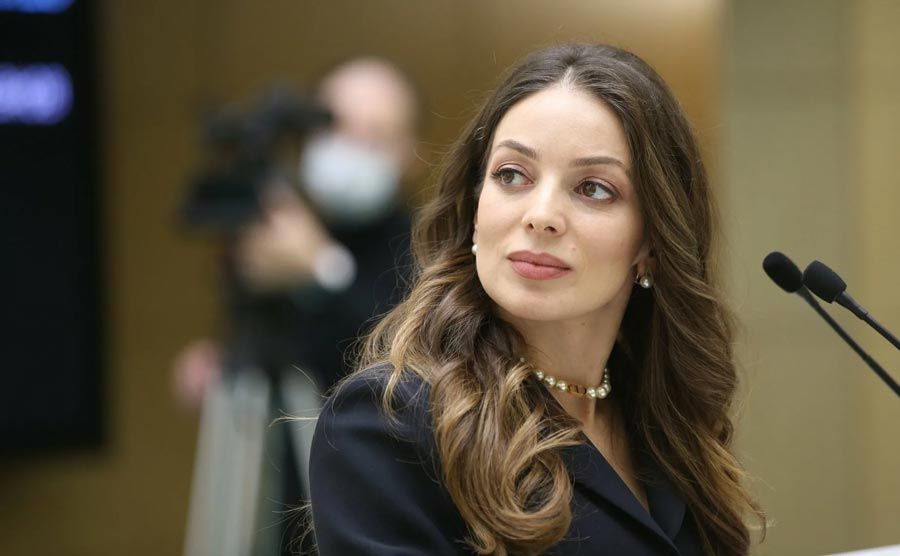
An unmarried, striking native of South Ossetia has made an incredible career by the age of 33 – after studying at MGIMO, she joined the government’s press service, then moved to the presidential office for public relations, and then, rising several steps up the career ladder at once, suddenly became Russia’s head of tourism.
In addition, Doguzova’s behavior was considered provocative by most officials: she appeared in public wearing such expensive clothes and jewelry that the media and Telegram channels were competing to calculate the cost of her outfits. The Anti-Corruption Foundation compiled a file containing only some of the young lady’s clothes, estimating the total value of her outfits at 30 million rubles.

The Anti-Corruption Foundation calculated the cost of Doguzova’s outfits
It is important to note that by Russian officials’ standards, Doguzova does not lead a particularly luxurious lifestyle. Proekt obtained data on purchases made at one of the country’s most fashionable stores, TsUM. Doguzova spent only 3.7 million rubles there. Other officials, MPs, and their wives spent much more. Here are the biggest spenders.
Who spent the most money in Tsum
From 2017 until 2024

RUB 219.4 M
RUB 210 M
RUB 176.5 M
RUB 150.5 M
RUB 119.1 M
RUB 100.7 M
RUB 97 M
RUB 87.9 M
RUB 67.6 M
RUB 65.4 M
RUB 62.7 M
RUB 62.1 M
RUB 60.6 M
RUB 59.1 M

RUB 58.3 M
RUB 57.7 M
Some officials suggested at the time that Doguzova’s patron was Deputy Head of the Presidential Administration Alexei Gromov, a well-known connoisseur of young Oriental-type women. Proekt can reliably assert that the reason for Doguzova’s success is not Gromov at all. Once again, it was a matter of family connections.
Fifty-two-year-old Igor Rotenberg is the eldest son of Arkady Rotenberg, a close friend of the Russian president who amassed a multibillion-dollar fortune solely thanks to his acquaintance with Putin. Igor was born into Arkady’s first family when the latter was in his early 20s. At that time, the future billionaire was involved in wrestling, worked as an extra at Lenfilm, and was probably involved in petty crime. Arkady would go on to have many more partners and children. His son Igor, like his father and only thanks to him, became quite successful: at an early age, he obtained a senior position in the Ministry of Property, at the age of 31, he became vice president of Russian Railways, whose informal curator is considered to be his parent, and later went into big state-affiliated business (in particular, he headed the board of directors of Gazprom Burenie).
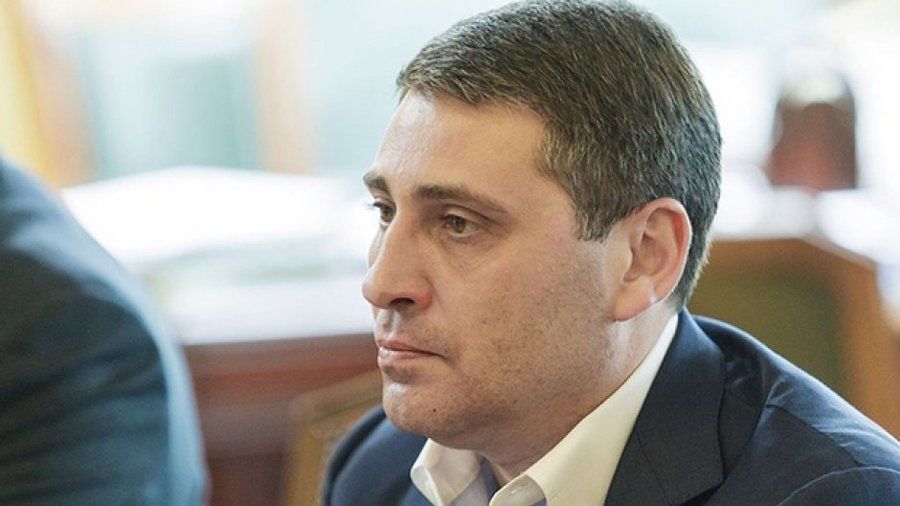
On March 7, 2019, Igor boarded a private plane bound for Nice. He was accompanied by Zarina Doguzova, who had been appointed head of Rostourism exactly one month earlier. Perhaps the appointment needed to be celebrated at a European resort rather than a local one. Doguzova and Rotenberg’s trips to foreign destinations continued for three and a half years, even though Doguzova’s job was to develop tourism within Russia
Joint flights of Doguzova and Rotenberg:
-
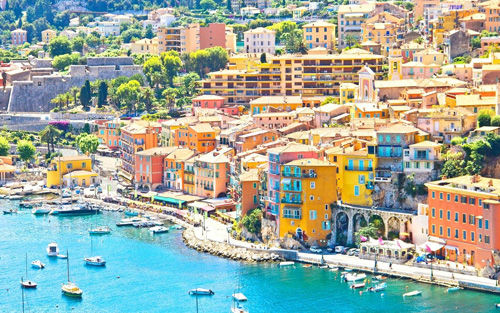
March 7–11, 2019
Nice ??
-
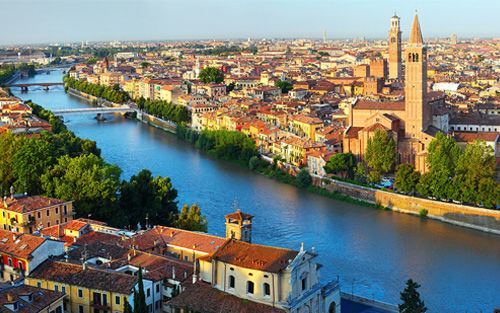
May 19–20, 2019
Verona ??
-
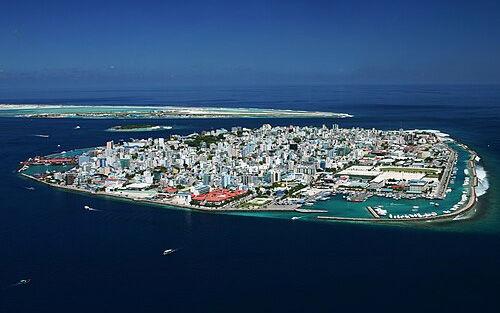
January 17, 2020
Malé ??
-
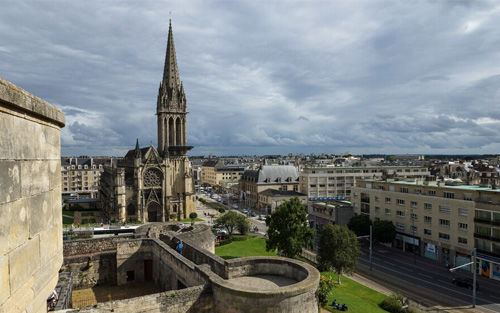
March 6–9, 2020
Cannes / Deauville ??
-
January 15, 2021
Malé ??
-
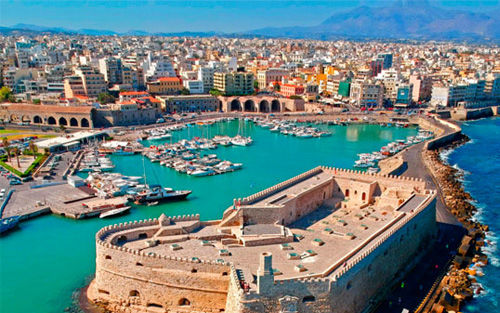
July 31, 2021
Heraklion ??
-
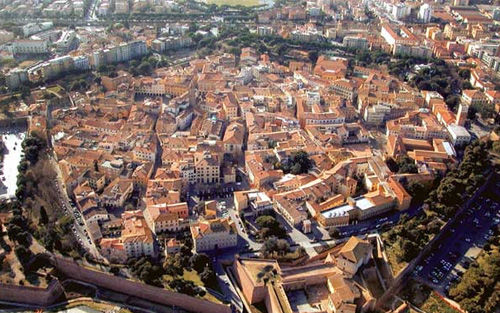
October 16–23, 2021
Grosseto ??
-
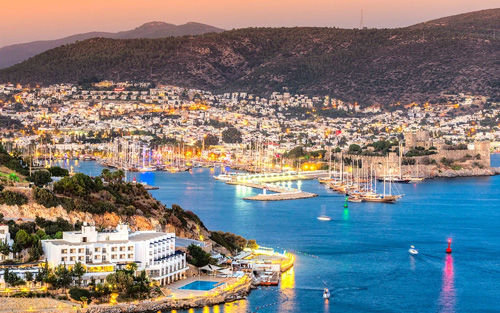
August 4–20, 2022
Bodrum ??
-

December 26, 2022
Dubai ??
-

January 17, 2023
Addis Ababa ??
-

April 28, 2023
Bangkok ??
In her spare time from dating Rotenberg, Doguzova managed to record beautiful videos about her business trips around the country, but otherwise her work did not seem effective and clearly irritated her government superiors
Couples among Russian officials
There are quite a few couples in the Russian government. They all have different attitudes toward formalizing their relationships.
-
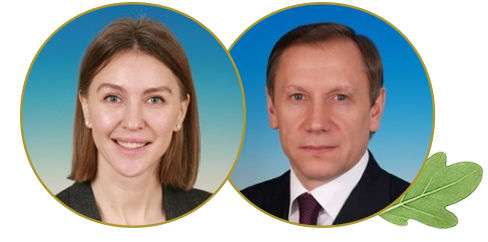
State Duma members Alena Arshinova and Igor Rudensky
A permanent member of the State Duma since 1999, Rudensky was married, but in 2015, his spouse disappeared from his income and asset declarations. Around the same time, Rudensky began vacationing with Alena Arshinova, a United Russia member 23 years younger than him.
-
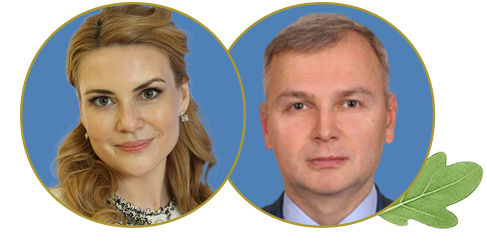
LPR Senator Daria Lantratova and Deputy Head of the Kremlin’s Internal Policy Department Denis Stepanyuk
Stepanyuk, the Kremlin’s curator of the parliament, is married, but this fact did not prevent him from having a relationship with Daria Lantratova, an unmarried member of the Federation Council. Before Stepanuk, she was in a relationship with another important Kremlin official, Alexander Kharichev.
-
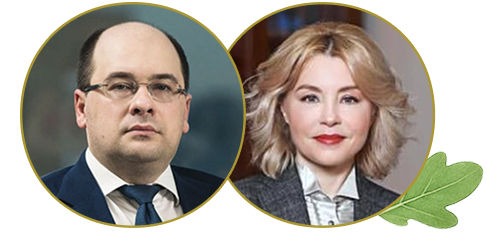
Sogaz CEO Anton Ustinov and Rosprinadzor head Svetlana Radionova
Radionova made her career thanks to a secret relationship with former presidential advisor Ustinov, whom she probably knew from her student days. They have been traveling together since around 2016, while Ustinov’s official wife never travels abroad.
-
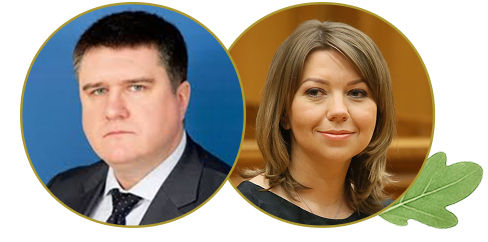
State Duma member Alexander Borisov and head of the Russia exhibition Natalya Virtuozova
The couple has a daughter born in 2011, and they regularly travel abroad with her, but they have not formalized their relationship — Borisov has not even divorced his official wife.
-
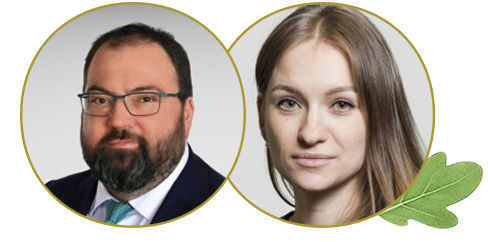
Minister of Digital Development Maksut Shadayev and Alexandra Melnikova
Shadayev has never listed the mother of his children, who is probably also his direct subordinate, in his income and asset declarations. Until 2019, Melnikova worked for Medialogia, a large state contractor, and after that, she probably worked for the Ministry of Digital Development.
-

First Deputy Minister of Culture Sergey Obryvalin, Head of the Ministry of Transport Department Svetlana Petrova, and General Director of the Bakhrushin Museum Kristina Trubina
Trubina, who is not very familiar with museum work but is very successfully climbing the career ladder in this field, has been “receiving bouquets” from Obryalin and traveling abroad with him since 2016. Obryalin also has a common-law wife, Svetlana Petrova. She works at the Ministry of Transport and gave birth to Obryvalin’s daughter in 2022.
-
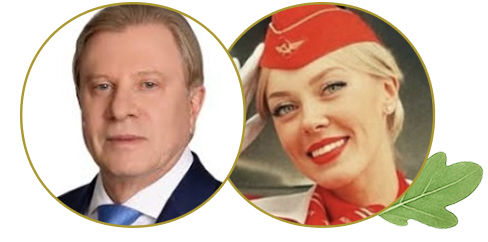
Deputy Prime Minister Vitaly Savelyev and flight attendant Anastasia Dmitrieva
Savelyev, a long-time acquaintance of Putin and former head of Aeroflot, is officially married. Despite that, in recent years he has been vacationing with Anastasia Dmitrieva, a flight attendant for that very airline, whose number is saved in other people’s contact lists as “Nastena Blondie Savelyeva.”
-

State Duma Deputy Chairman from the New People party Vladislav Davankov and his party colleague Daria Romancheva
The Kremlin’s spoiler candidate in the 2024 elections had a secret affair with Daria Romancheva, an employee of the state-owned ANO Russia — Land of Opportunity (where Davankov himself used to work). Romancheva was on the New People party ticket in the 2021 elections. Her number is saved in others’ contact lists as “Davankov’s assistant,” but that’s not all — they also live and travel abroad together.
-
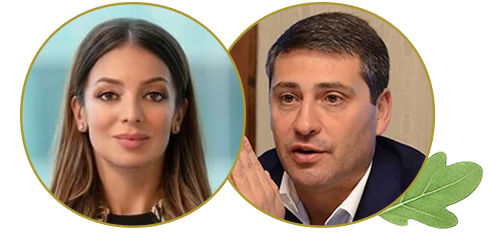
Former head of Rostourism Zarina Doguzova and Igor Rotenberg, son of Putin’s friend and chairman of the board of directors of Gazprom Burenie
Rotenberg has been vacationing with Doguzova since 2019 — that was when she was appointed head of Rostourism, causing everyone to wonder who her patron was.
-
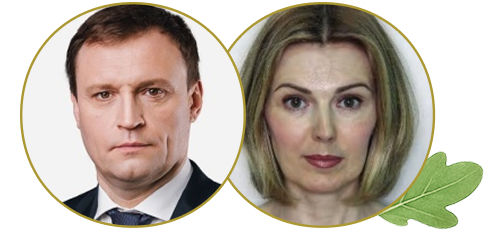
State Duma member Sergei Pakhomov, businesswoman Yulia Sosina, and former senator Olga Zabralova
Pakhomov’s wife Yulia Sosina owns companies that receive government contracts, while her declared income exceeds the profits of this business many times over. Olga Zabralova, who has been Pakhomov’s mistress since 2015, worked as deputy governor of the Moscow Oblast when he headed the administration of Sergiev Posad, and then served as a senator, leaving her post in 2024.
-
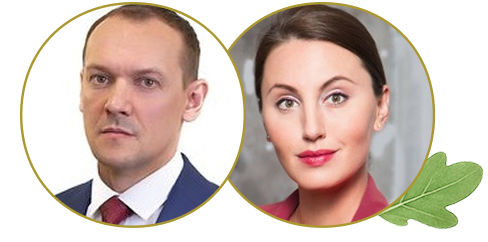
Head of Rosreestr Oleg Skufinsky and his former deputy Elena Martynova
Skufinsky and Martynova took trips abroad together, and Rosreestr employees complained that she received the highest salary in the department and threatened to use her “connections at the top” if her demands were not met.
One notable aspect of this story is that Doguzova obtained a high-ranking position despite being merely one of Rotenberg’s female associates. He divorced his first wife Alina (née Kiseleva
Other members of the elite also dislike getting officially divorced. For many years, the official wife of Foreign Minister Sergey Lavrov has only existed as part of his income and asset declaration, which suggests that he lives within his means. A huge number of luxury assets are registered in the name of Svetlana Polyakova, his mistress, who has been living with the foreign minister for many years and flies with him on business trips and vacations.
Of course, registering your assets in someone else’s name is always a risk. Former Mari El head Leonid Markelov once registered his business and real estate in the name of his wife Irina. In 2012, she suddenly disappeared, leading the media to conclude that the couple had divorced, but no details were known at the time. This was actually a story worthy of being made into a mix of drama and detective film.
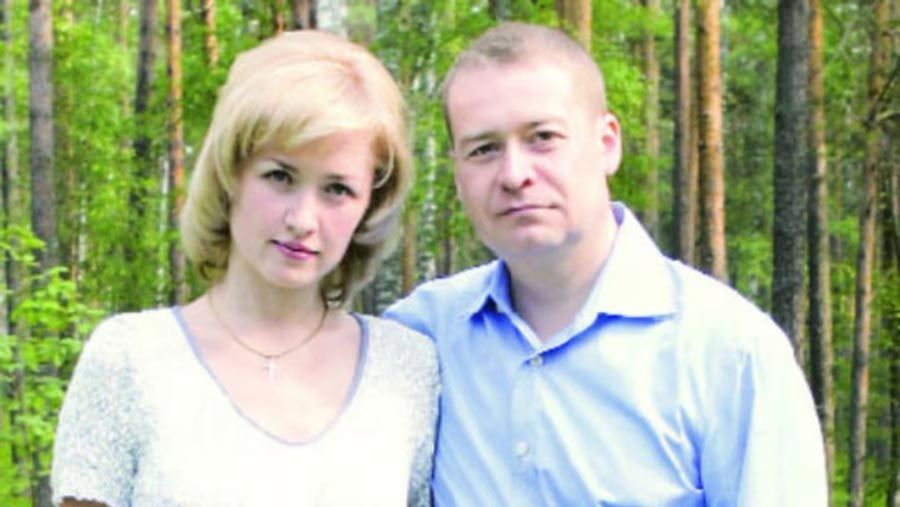
Irina was not very happy with her husband and used dating apps. There she matched with a man whose real name was Shimon Hayut, a con artist who pretended to be a rich man in trouble and used this pretext to scam his female admirers out of money. The governor’s wife fell so deeply in love that she sold some of the property registered in her name by her thieving husband and fled to London. Naturally, once he got the money, the swindler disappeared.
Irina was not his only victim — there were dozens of them, so eventually Hayut was caught and sent to prison, albeit for only 15 months at first, and then arrested again in September this year, this time in Georgia. In the end, this detective story really did turn into a movie — Netflix made a documentary called Tinder Swindler. The Markelovs did not feature in it, which is a pity, because their story had a sequel worthy of adaptation — the head of Mari El was sentenced to 13 years for corruption, and Irina was among those who testified against him.